

Transit assets like vehicles and infrastructure lose value over time due to wear, obsolescence, and use. Regular maintenance can slow depreciation, extend asset life, and reduce costs. Knowing how depreciation impacts budget and funding helps you plan better for replacements and upgrades. Strategic management guarantees transit systems stay reliable and financially stable. Continuing to explore this topic will reveal how understanding depreciation can improve your asset management and long-term planning.
Key Takeaways
- Transit assets lose value over time due to wear, aging, and obsolescence, impacting operational costs and financial statements.
- Proper maintenance slows depreciation, extends asset lifespan, and reduces long-term replacement expenses.
- Depreciation affects funding, borrowing capacity, and financial planning for transit agencies.
- Regular asset assessments and depreciation schedules improve maintenance, replacement planning, and budget forecasting.
- Managing depreciation strategically ensures system reliability, sustainability, and long-term financial stability.
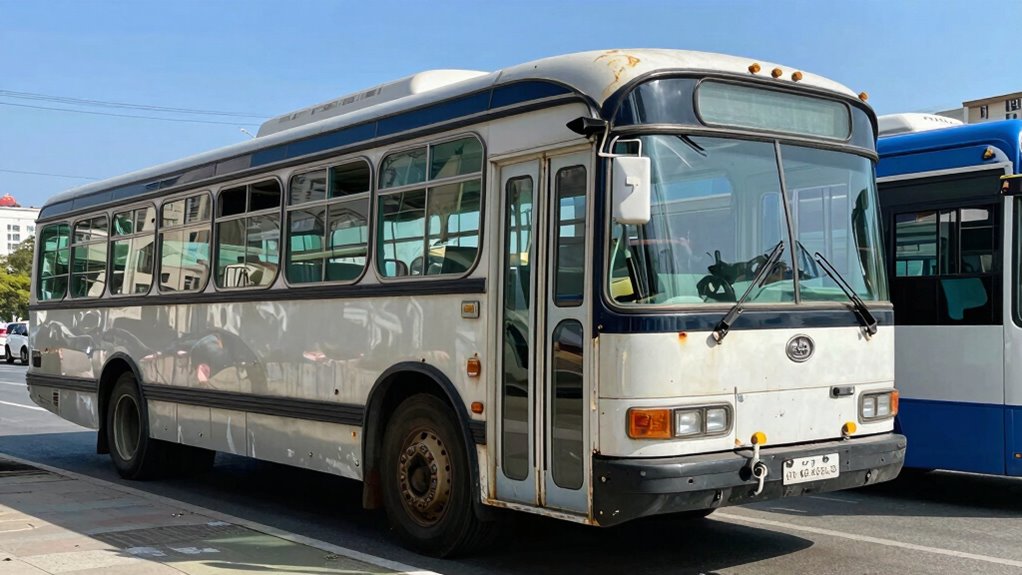
Transit depreciation refers to the reduction in value of transportation assets, such as vehicles and infrastructure, over time due to use, wear and tear, or obsolescence. As a transit agency, you need to understand how depreciation impacts your fleet and overall operations, especially when it comes to managing your assets efficiently. When vehicles age, their maintenance costs tend to rise, and their reliability can decline, which directly affects your fleet maintenance strategies. Regular upkeep is vital to slow down depreciation’s effects, but it also requires careful planning and budgeting. Proper fleet maintenance helps extend the lifespan of vehicles, delaying the need for expensive replacements and reducing the overall impact of depreciation. It’s a strategic move that can save money in the long run and keep your transit services running smoothly.
Understanding depreciation also influences your funding strategies. As assets depreciate, their book value decreases, which can impact your financial statements and borrowing capacity. Many transit agencies rely on government grants, subsidies, or bonds to fund their operations and infrastructure projects. Knowing how depreciation affects your assets’ value helps you craft more accurate budgets and funding requests. For example, you might need to allocate more funds toward fleet replacement or upgrades, especially as vehicles reach the end of their useful life. Some agencies set aside depreciation reserves, which act as a financial cushion for future replacements and repairs. This proactive approach ensures you’re prepared for inevitable costs without straining your operating budget or relying too heavily on unpredictable funding sources. Additionally, tracking asset lifespan is essential for effective planning and resource allocation, and understanding the impact of depreciation can help you make more informed decisions about your fleet. Recognizing the importance of asset management can help you optimize your fleet’s overall performance and longevity. Incorporating depreciation schedules into your financial planning can further refine your budget forecasts and asset replacement timelines. Moreover, establishing clear depreciation policies ensures consistency and accuracy in your financial reporting and planning processes.
You also need to recognize that depreciation isn’t just a financial concept; it influences your asset management decisions. By tracking how your fleet depreciates over time, you can optimize maintenance schedules, plan replacements, and allocate resources more effectively. This means regular assessments of your vehicles’ condition and performance, which helps you decide when to repair or replace. Incorporating depreciation into your planning ensures you’re not caught off guard by sudden, large expenses. Instead, you create a sustainable approach that balances ongoing maintenance with strategic investments in newer, more efficient vehicles.
Ultimately, understanding transit depreciation is about recognizing the lifecycle of your assets and planning accordingly. It’s about aligning your fleet maintenance practices with your financial strategies to keep your transit system reliable and financially sustainable. By doing so, you guarantee that your agency can serve the community effectively while managing costs wisely, all the while preparing for the inevitable decline in asset value over time.
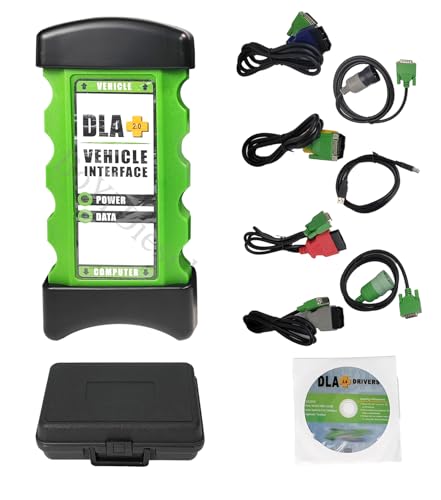
New DLA 2025 V2 Diagnostic Software+2.0 Adapter Kit Truck Diagnostic Tool Scanner for J P- R 0 Diesel Heavy Duty Trucks Fleet Maintenance(DLA 2.0 Tool with Software)
❤One-year warranty
As an affiliate, we earn on qualifying purchases.
As an affiliate, we earn on qualifying purchases.
Frequently Asked Questions
How Does Transit Depreciation Vary Between Different Vehicle Types?
You’ll notice transit depreciation varies between vehicle types because fleet upgrades and vehicle leasing plans influence how quickly each vehicle loses value. For example, buses typically depreciate slower than vans, thanks to their durability and longer lifespan. When you select different vehicle types for your fleet, consider leasing options that amortize depreciation costs, helping you manage expenses better and prolong the operational life of your transit assets over time.
What Factors Influence the Rate of Transit Depreciation?
You might be surprised, but several factors secretly influence transit depreciation rates. Fleet modernization keeps vehicles in top shape, slowing depreciation, while outdated models lose value faster. Insurance implications also play a role; higher premiums can hint at increased depreciation risk. External elements like usage intensity, maintenance quality, and market demand further shape this depreciation journey. Stay aware—these hidden factors could drastically impact your vehicle’s future worth.
Can Transit Depreciation Be Accelerated or Slowed Intentionally?
Yes, you can intentionally accelerate or slow transit depreciation by choosing different depreciation methods, which directly impact the vehicle’s lifespan and accounting. For example, using accelerated depreciation methods like MACRS allows you to depreciate assets faster, reducing taxable income early. Conversely, straight-line depreciation spreads costs evenly, slowing the depreciation rate. Your choice affects the perceived vehicle lifespan and how quickly value diminishes over time.
How Does Maintenance Affect a Vehicle’s Depreciation Over Time?
Think of your vehicle as a delicate garden. Regular maintenance acts like watering and pruning, which helps your fleet stay vibrant longer. When you keep up with maintenance, it slows depreciation, extending the vehicle’s lifecycle. Poor upkeep, however, accelerates wear and tear, hastening depreciation. Effective fleet management relies on consistent maintenance to preserve value, ensuring your vehicles serve longer and perform better over time.
Are There Tax Benefits Related to Transit Depreciation?
Yes, there are tax benefits related to transit depreciation that can support your fleet optimization efforts. By understanding depreciation schedules, you can leverage tax deductions to improve your vehicle’s overall fuel efficiency and reduce costs. This strategy allows you to maximize your fleet’s value over time, ensuring you stay compliant while optimizing operational expenses, ultimately helping your business grow through smarter asset management and financial planning.
depreciation schedule for transit vehicles
As an affiliate, we earn on qualifying purchases.
As an affiliate, we earn on qualifying purchases.
Conclusion
Understanding transit depreciation helps you make smarter investment decisions and plan for maintenance costs. Did you know that without proper depreciation tracking, transit assets can lose up to 20% of their value annually? This highlights just how quickly transit assets degrade over time. By staying informed, you can extend asset lifespans and optimize budgets. Keep depreciation in mind—it’s essential for maintaining efficient, reliable transit systems that serve your community well.

Wheels of Efficiency- Reinventing Transit with Enterprise Asset Management
As an affiliate, we earn on qualifying purchases.
As an affiliate, we earn on qualifying purchases.

12V Car Battery Alternator Tester with 6 LED Indicator, Automotive Battery Analyzer Car Load Tester Indicator for Checking Vehicle Battery Condition & Alternator Charging System
【Automobile Battery Tester】:A car battery alternator tester is one of the easiest ways to tell you about the…
As an affiliate, we earn on qualifying purchases.
As an affiliate, we earn on qualifying purchases.