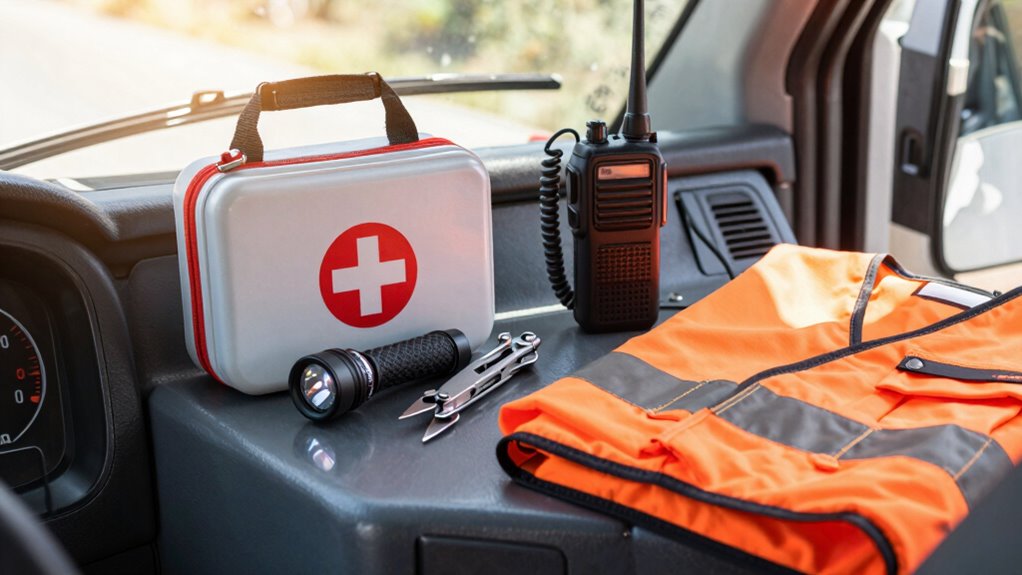
To build an effective emergency kit, gather first aid supplies, a flashlight with extra batteries, reflective vests, and items to keep passengers calm. Include basic vehicle tools like jumper cables, a spare tire, and a portable air compressor for quick repairs. Add communication gear such as a power bank and warning triangles. Regularly check and update your supplies to stay prepared for any situation, and if you keep going, you’ll discover all the key components for safety and readiness.
Key Takeaways
- Include essential first aid supplies, reflective vests, and safety signaling devices like warning triangles and flares.
- Pack basic vehicle maintenance tools, a spare tire, jumper cables, and a portable air compressor for quick repairs.
- Carry communication essentials such as a fully charged phone, power bank, and emergency contact information.
- Stock environmental awareness items to recognize and respond to local wildlife and natural hazards.
- Regularly audit and update supplies, including water, blankets, and safety gear, to ensure readiness for various emergencies.
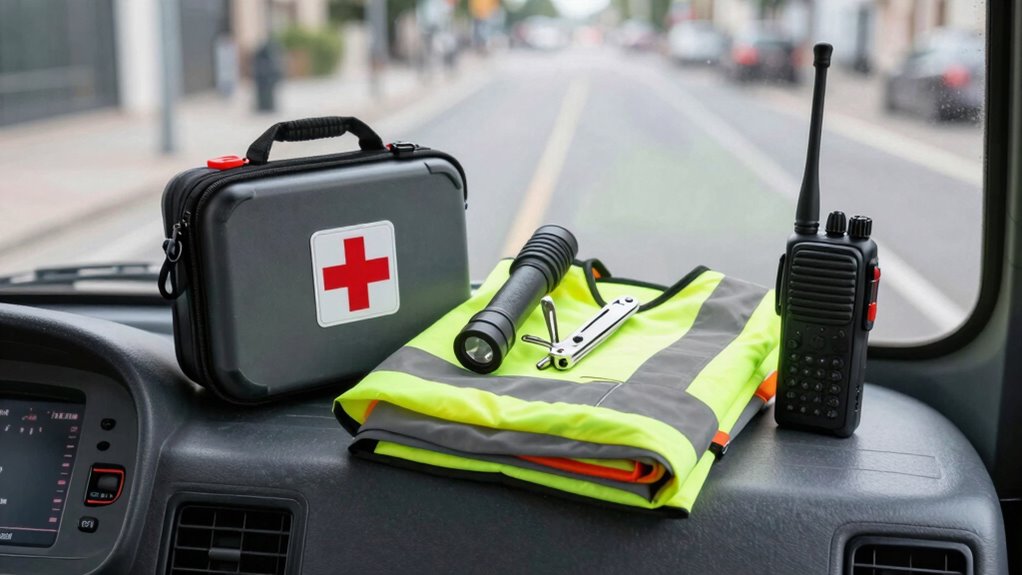
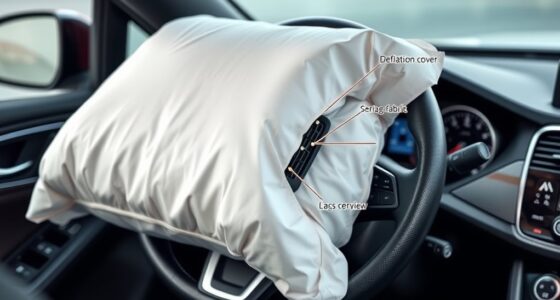
Have you ever considered what you’d do if an emergency suddenly arises while you’re on the road? As a transit driver, your quick response can make all the difference in guaranteeing passenger safety and preventing further complications. That’s why building a well-stocked emergency kit is vital. Your kit should be tailored to handle a variety of situations, from medical emergencies to vehicle breakdowns. When it comes to passenger safety, being prepared means having the right supplies on hand to assist your passengers and keep everyone calm. First aid supplies like bandages, antiseptic wipes, gloves, and a CPR mask are essential. Additionally, including a flashlight and extra batteries guarantees visibility during power outages or nighttime incidents. Having reflective vests for both you and your passengers can enhance safety, especially on busy roads or in low-light conditions.
Preparedness ensures passenger safety and calm during emergencies on the road.
Vehicle maintenance tools are equally important. A basic set of tools—such as screwdrivers, pliers, wrenches, and a tire pressure gauge—can help you address minor mechanical issues on the spot. Having jumper cables and a portable air compressor can save you from being stranded due to dead batteries or flat tires. Also, including a spare tire, along with the necessary tools to change it, is a smart move. Remember, preventing further damage or delays depends on your ability to quickly identify and address vehicle problems. Incorporating biodiversity awareness into your safety practices can help you recognize and respond to environmental hazards more effectively. For example, understanding local wildlife or plant hazards can prevent injuries or environmental damage during roadside stops. Being aware of local hazards can also help you navigate tricky situations more confidently. Moreover, understanding environmental factors can contribute to safer driving decisions in diverse conditions.
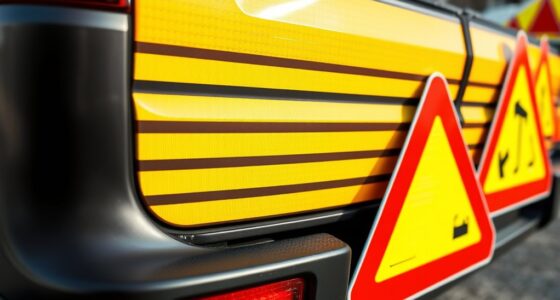
Beyond immediate repairs, your emergency kit should also contain items that support ongoing safety and communication. A fully charged portable charger or power bank will guarantee your phone stays powered, allowing you to contact emergency services or roadside assistance when needed. Road flares or warning triangles can alert other drivers to your presence if you’re pulled over on the side of the road, helping prevent accidents. A blanket and some bottled water can also be lifesavers if you’re stuck for a prolonged period. Keeping a comprehensive checklist of your supplies can help ensure nothing is overlooked during regular audits. Regularly checking and updating your supplies is essential to ensure everything remains in working order, as preparedness is key to effective emergency response. Building your emergency kit isn’t just about adding random items; it’s about thinking through different scenarios and preparing accordingly. Regularly check and update your supplies to guarantee everything remains in working order. The goal is to keep yourself and your passengers safe, and that begins with being prepared. By prioritizing passenger safety and vehicle maintenance, you’re not only complying with safety standards but also building confidence in your ability to handle unexpected situations efficiently. With a thoughtful, well-stocked emergency kit, you’ll be ready for whatever the road throws your way.
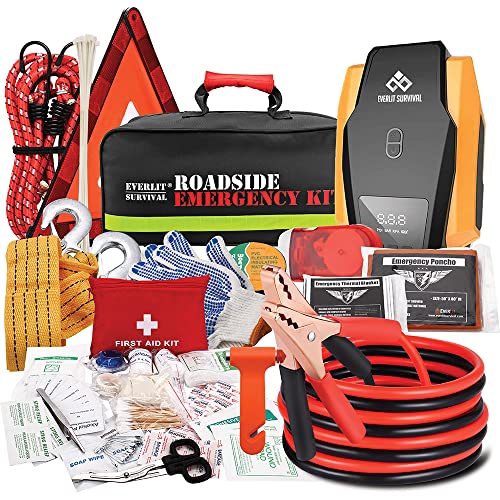
Everlit Survival Car Emergency Kit, Roadside Safety Tool Kit with Gloves,Digital Auto Air Compressor Tire Inflator, First Aid Kit, 12 Feet Jumper Cable, Tow Strap, Flashlight for Women, Men, Teenagers
The Road Guardian- The portable roadside assistance kit is designed and hand picked by a group of experienced…
As an affiliate, we earn on qualifying purchases.
As an affiliate, we earn on qualifying purchases.
Frequently Asked Questions
What Are the Most Overlooked Items in an Emergency Transit Kit?
You often overlook first aid supplies and communication devices in an emergency transit kit. First aid items like bandages, antiseptic wipes, and pain relievers are essential for quick response. Communication devices, such as a portable radio or spare cell phone, guarantee you can call for help or coordinate with others. Don’t forget these overlooked items; they’re critical for safety and effective response during emergencies.
How Often Should Transit Drivers Update Their Emergency Kits?
You should update your emergency kit at least every six months. Think of it as vehicle maintenance, keeping your supplies fresh and reliable to guarantee passenger safety. Outdated items can be as dangerous as neglecting brake checks. Regular updates help you stay prepared for unforeseen incidents, giving you peace of mind. Set a recurring reminder, and treat kit maintenance as essential as routine vehicle inspections for maximum safety on every trip.
Are There Specific Legal Requirements for Emergency Kits in Transit Vehicles?
You need to guarantee your emergency kits comply with legal requirements, which means adhering to relevant regulatory standards. While specific legal mandates vary by jurisdiction, most transit authorities mandate certain items like first aid supplies, fire extinguishers, and safety vests. Regularly review local laws and agency policies to stay legally compliant. Keeping your emergency kit up-to-date and complete not only meets legal standards but also ensures your safety and that of your passengers.
What Training Is Recommended for Using Emergency Kit Components Effectively?
You should undergo training that covers emergency communication and first aid protocols to use emergency kit components effectively. This training helps you stay calm, relay essential information quickly, and administer basic first aid if needed. Practice using items like bandages, defibrillators, and communication devices regularly, so you’re confident during emergencies. Well-trained drivers can respond swiftly and efficiently, ensuring passenger safety and minimizing risks during transit crises.
How Can Transit Drivers Customize Their Kits for Different Emergency Scenarios?
You can customize your emergency kit by including communication devices like radios or cell phones tailored to different scenarios, ensuring you stay connected. Add specific first aid supplies suited for various emergencies, such as burns or fractures. Consider weather conditions, potential hazards, and passenger needs, then adjust your kit accordingly. Regularly review and update your supplies to stay prepared for any situation, making sure your communication devices and first aid tools are always ready to use.

Mini First Aid Kit – 150 Piece Small Waterproof Hard Shell Medical Kit for Home, Car, Travel, Camping, Truck, Hiking, Sports, Office, Vehicle & Outdoor Emergencies- Small First Aid Medical Kit (Red)
ESSENTIALS FOR EMERGENCY: Everything you need is in this first aid kit! Our kit includes over 150 professional-grade…
As an affiliate, we earn on qualifying purchases.
As an affiliate, we earn on qualifying purchases.
Conclusion
Just as Odysseus relied on his trusty kit to navigate treacherous waters, you must prepare your own emergency kit to steer through unforeseen challenges. By assembling the right supplies, you guarantee you’re ready to face anything the road throws your way. Remember, an ounce of prevention is worth a pound of cure—so build your kit now, and become the hero of your own journey, steadfast and prepared in every storm.

GOOLOO A3 Jump Starter with Air Compressor, 3000A Portable Car Battery Booster (9.0 Gas/6.5L Diesel) with 150PSI Auto-Shutoff Tire Inflator, 12V Supersafe Lithium Jump Box Car Battery Jumper Starter
Powerful and Durable – The 3000 amp portable car battery jumper starter provides instant restart for your 12V…
As an affiliate, we earn on qualifying purchases.
As an affiliate, we earn on qualifying purchases.

ASIPHITU Reflective Safety Vest for Men Women Construction Vest Meet ANSI/ISEA Standard Yellow Large
BREATHABLE MESH: The reflective safety vest is made in 100.00% polyester mesh material. Hi vis safety vest is…
As an affiliate, we earn on qualifying purchases.
As an affiliate, we earn on qualifying purchases.