
When you experience a misfire that seems to start in the wrong place, it’s usually due to issues with ignition timing or fuel delivery rather than just spark plugs. Problems like slipping belts, faulty sensors, or clogged fuel injectors can cause misfires to shift unexpectedly, making troubleshooting confusing. Understanding how these systems interact helps you pinpoint the real cause. Keep exploring, and you’ll uncover more ways to diagnose and fix misfires effectively.
Listen free for 30 days with Audible
Thousands of audiobooks and originals — cancel anytime.
As an affiliate, we earn on qualifying purchases.
Key Takeaways
- Misfires can originate from ignition timing issues, causing the problem to seem like it starts elsewhere.
- Faulty sensors or slipping timing belts can trigger misfires that appear in unexpected engine areas.
- Fuel delivery problems, such as clogged injectors or failing pumps, may cause misfires that seem to start in the wrong place.
- Improper or inconsistent spark timing can lead to misfires occurring at unpredictable engine cycles.
- Accurate diagnosis requires checking both ignition timing and fuel system components, regardless of where the misfire seems to originate.
When a misfire occurs in your vehicle’s engine, it’s natural to feel alarmed, but sometimes the panic can start in the wrong place—leading you to chase the wrong problem. You might immediately suspect the fuel system or think you need new spark plugs, but before rushing into repairs, it’s important to understand where the real issue could be. Often, misfires are linked to ignition timing or fuel delivery problems, and pinpointing the cause saves you time and money.
Misfires often stem from ignition timing or fuel delivery issues, not just spark plugs or fuel system parts.
Ignition timing plays a crucial role in engine performance. If your ignition timing is off, the spark that ignites the fuel-air mixture in the cylinders won’t happen at the right moment. When this occurs, your engine struggles to run smoothly, resulting in misfires. You might notice rough idling, loss of power, or increased fuel consumption. Sometimes, the timing can be thrown off by a slipping timing belt or chain, or issues with the camshaft or crankshaft sensors. It’s tempting to replace spark plugs or wires first, but often, correcting ignition timing requires adjusting the distributor or replacing faulty sensors. Understanding the ignition system can help you better diagnose these issues. Additionally, a thorough understanding of engine timing can prevent unnecessary repairs.
The fuel system is another common culprit behind misfires. If your engine isn’t receiving the right amount of fuel, it can’t maintain proper combustion, leading to misfires. Clogged fuel injectors, a failing fuel pump, or a dirty fuel filter can all restrict fuel flow. When fuel delivery is inconsistent, your engine will stumble or hesitate, especially under load. In many cases, a clogged fuel filter is overlooked, but it’s an easy fix that can resolve persistent misfire issues. Checking fuel pressure and cleaning or replacing injectors might be necessary if fuel delivery is compromised. Additionally, fuel system maintenance can prevent future issues and ensure optimal engine performance. Regularly inspecting and maintaining components like sensors and filters is essential for reliable operation and can help troubleshoot issues more effectively.
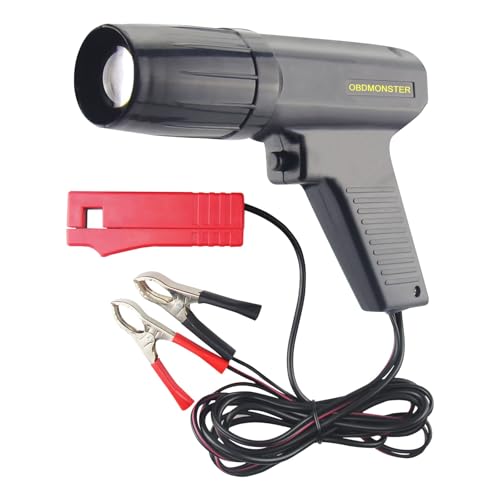
Automotive Timing Light 12V, Inductive Ignition Timing Light Gun for 2&4 Stroke Petrol Engine for Old Classical Car Motorcycle
- Ignition Timing Adjustment: Optimizes engine performance for cars and motorcycles
- Pistol-Style Handle: Ergonomic design for comfortable operation
- Color-Coded Sensor Clips: Red and black clips for easy, secure connection
As an affiliate, we earn on qualifying purchases.
As an affiliate, we earn on qualifying purchases.
Frequently Asked Questions
What Are the Common Symptoms of Misfire Panic Attacks?
You may notice symptoms like rapid heartbeat, sweating, chest tightness, dizziness, and feeling out of control during misfire panic attacks. These symptoms can be overwhelming, but practicing breathing techniques can help calm you down. Medication management might also be necessary for some individuals. Recognizing these signs early allows you to apply coping strategies immediately, reducing the intensity and duration of the attack while seeking appropriate support.
How Long Do Misfire Panic Episodes Typically Last?
Misfire panic episodes usually last about 10 to 15 minutes, similar to a quick engine troubleshooting session. Curiously, research shows that nearly 60% of people experience these episodes as sudden, intense feelings of anxiety. During such moments, your body reacts like it’s facing an engine misfire—brief but disruptive. Staying calm and practicing deep breathing can help you manage the episode’s duration and reduce its impact.
Can Misfire Panic Be Mistaken for a Heart Attack?
Yes, misfire panic can be mistaken for a heart attack because medical misconceptions often lead you to associate chest pain and discomfort with cardiac issues. Anxiety triggers like stress or panic attacks can cause symptoms that mimic a heart attack, making it confusing. If you’re unsure, it’s essential to seek medical attention promptly, but understanding these symptoms helps you recognize that panic-induced misfires are usually less dangerous than actual heart problems.
Are Certain Environments More Likely to Trigger Misfire Panic?
Certain environments, like workplaces with high stress or constant noise, are more likely to trigger misfire panic. Environmental stressors such as tight deadlines, conflicts, or overwhelming workloads can elevate anxiety levels. Workplace triggers, including awkward social interactions or feeling trapped, amplify this response. Being aware of these triggers helps you manage your reactions, but if these environments consistently cause panic, consider seeking support or strategies to reduce stress.
What Are the Best Immediate Steps to Take During an Episode?
During an episode, focus on grounding exercises to anchor yourself, like pressing your feet into the ground or holding onto a textured object. Use breathing techniques—inhale slowly through your nose, then exhale gently through your mouth—to calm your nervous system. Remind yourself that the panic is temporary, and stay present. These steps help reduce anxiety, regain control, and lessen the intensity of the misfire panic.

THIKPO Universal Fuel Injector Tester and Cleaner Tool Kit, DIY Cleaning Tool Kit, 8 Pulse Modes, 4 Wire Dual Channel for 2 Fuel Injectors, 8 Size Cleaning Adapters, 12V/5V Output Power
- Universal Fuel Injector Tester: Diagnoses fuel delivery issues
- Simultaneous Testing: Test 2 injectors at once
- Extended Power Cord: 40-inch power cord for convenience
As an affiliate, we earn on qualifying purchases.
As an affiliate, we earn on qualifying purchases.
Conclusion
So, next time you sense that familiar jolt of misfire panic, remember it’s like a storm brewing on a distant horizon—sometimes it starts far from the true trouble. Instead of rushing into the chaos, pause and trace the dark clouds back to their source. With patience and clarity, you can steer through the tempest, turning a false alarm into a lesson in steering the unpredictable skies of your engine’s heart.

ANCEL AD310 Classic Enhanced Universal OBD II Scanner Car Engine Fault Code Reader CAN Diagnostic Scan Tool, Read and Clear Error Codes for 1996 or Newer OBD2 Protocol Vehicle (Black)
- Diagnostic Capabilities: Read and clear engine trouble codes
- Recommended by Experts: Trusted by Scotty Kilmer and mechanics
- Live Data Monitoring: View real-time vehicle data
As an affiliate, we earn on qualifying purchases.
As an affiliate, we earn on qualifying purchases.
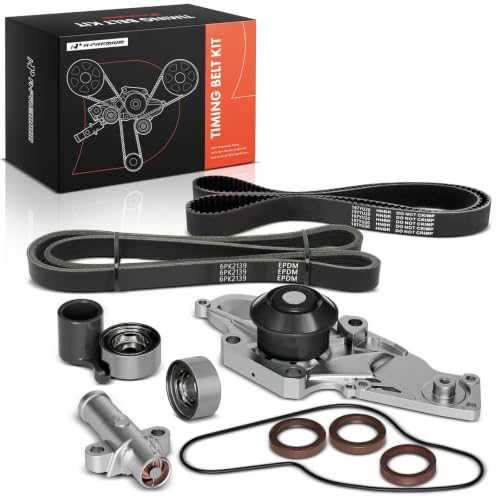
A-Premium Timing Belt Kit with Water Pump Compatible with 03-18 Honda Acura
- Vehicle Compatibility: Fits various Honda and Acura models
- Kit Components: Includes belts, water pump, seals, pulleys
- Part Numbers: Multiple reference numbers for compatibility
As an affiliate, we earn on qualifying purchases.
As an affiliate, we earn on qualifying purchases.
Flea & tick season Picks
flea and tick prevention
As an affiliate, we earn on qualifying purchases.