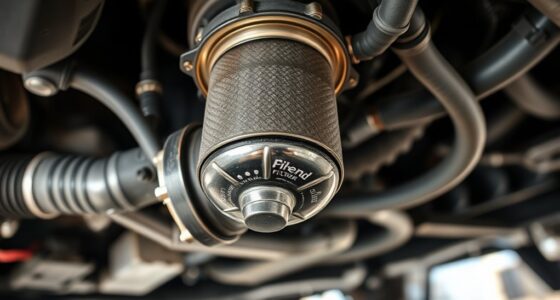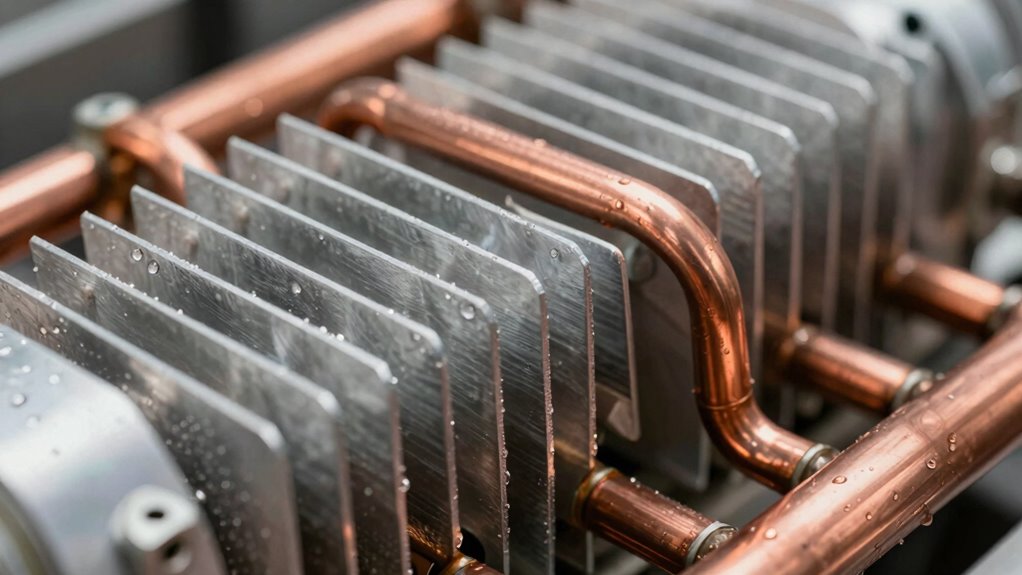

One cooling system detail that deserves more attention is radiator efficiency. You might think coolant type or regular maintenance are enough, but if the radiator’s fins are clogged or damaged, airflow drops and overheating risks rise. Ensuring your radiator operates at peak efficiency helps prevent costly repairs and extends equipment life. You’ll discover how focusing on this overlooked aspect can make a real difference in your machinery’s performance and longevity as you explore further.

Get business pricing on garage and car supplies
- Business-only prices and quantity discounts
- Tax-exempt purchasing
- Multiple users, one account, clear invoices
Key Takeaways
- Regularly inspecting and cleaning radiator fins to ensure unobstructed airflow and optimal heat dissipation.
- Monitoring coolant quality and levels to prevent corrosion and overheating issues.
- Ensuring proper maintenance of thermostats and fans for consistent temperature regulation.
- Selecting the appropriate coolant type tailored to specific equipment and operating conditions.
- Addressing radiator component damage or corrosion early to avoid system failure and costly repairs.
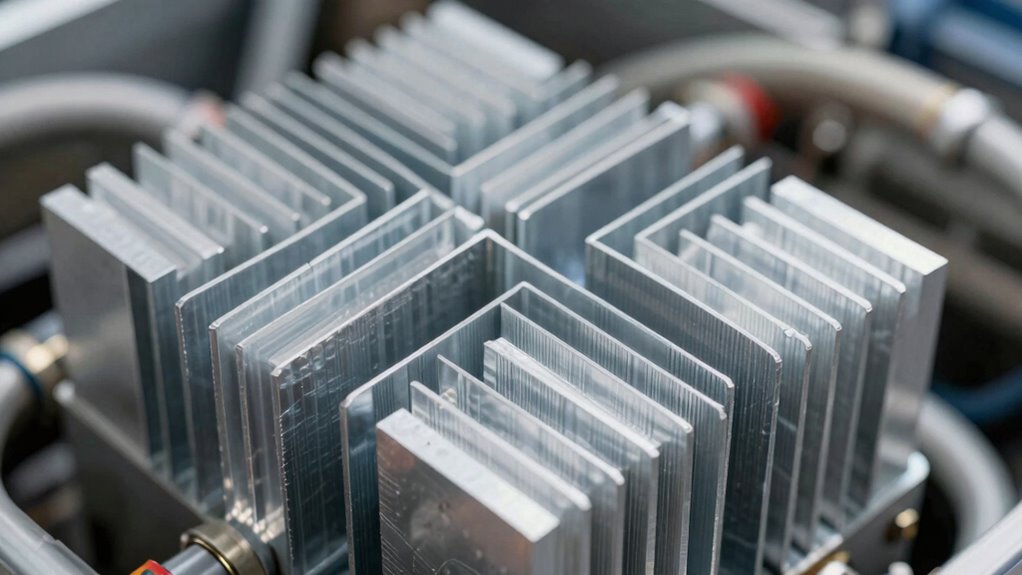
Have you ever wondered how complex machinery stays cool under intense operation? It’s all thanks to the cooling system, a essential component that prevents engines and machines from overheating and breaking down. At the heart of this system is the radiator, which plays a fundamental role in maintaining ideal temperatures. But many overlook the importance of radiator efficiency, which directly impacts how well your machinery stays cool. A radiator that operates efficiently removes heat quickly and effectively, ensuring the engine runs smoothly and prolonging its lifespan. If your radiator isn’t functioning properly, even the best coolant won’t do its job effectively, leading to potential overheating and costly repairs.
Efficient radiators prevent overheating, ensuring machinery runs smoothly and lasts longer.
One key factor influencing radiator efficiency is the type of coolant you choose. Coolants aren’t all created equal; they come in various formulations designed to enhance heat transfer and protect against corrosion. Some coolants are glycol-based, offering excellent thermal conductivity, while others include additives to prevent rust and scaling inside the system. Using the right coolant type for your machinery can markedly improve heat dissipation. For instance, if you’re operating in extreme temperatures, specialized coolants can maintain stable engine temperatures and reduce the risk of overheating. It’s essential to select a coolant that matches your equipment’s specifications and operating conditions, rather than sticking with generic options.
However, coolant type alone isn’t enough. Regular maintenance of your cooling system is indispensable to keep radiator efficiency high. Over time, debris, dirt, and mineral deposits can accumulate on the radiator fins, obstructing airflow and impeding heat transfer. Flushing the system periodically and inspecting the radiator for damage or corrosion helps guarantee it functions at peak efficiency. Don’t forget to check the coolant level and quality regularly; low or contaminated coolant can compromise the entire system’s ability to dissipate heat effectively. Small maintenance tasks can prevent major issues and keep your machinery running at ideal temperatures. Additionally, understanding the cooling system components can help you identify potential issues before they lead to failures. Properly maintaining these components ensures efficient heat transfer, which is crucial for system performance. Recognizing the importance of coolant properties can also guide you in selecting the best options for your specific needs. Keep in mind that radiator design can significantly influence how well your cooling system performs under various conditions.
Understanding the interplay between radiator efficiency and coolant types allows you to optimize your cooling system. When these elements work together properly, they prevent overheating, improve performance, and extend the lifespan of your machinery. It’s a detail that often doesn’t get enough attention but can make a profound difference in operational reliability. Paying close attention to these components not only safeguards your equipment but also saves you money in the long run by avoiding unnecessary repairs and downtime. Ultimately, a well-maintained cooling system isn’t just a minor technicality—it’s a critical factor that ensures your machinery operates smoothly under the most demanding conditions.
As an affiliate, we earn on qualifying purchases.
Frequently Asked Questions
How Often Should I Perform Maintenance on My Cooling System?
You should perform maintenance on your cooling system every 1 to 2 years to maximize its lifespan and guarantee peak performance. Regular maintenance includes checking coolant levels, inspecting for leaks, and cleaning components. Proper maintenance scheduling helps prevent unexpected breakdowns and costly repairs. Keep an eye on your system’s performance, and if you notice issues, don’t delay — timely upkeep maintains efficiency and extends the cooling system’s durability.
What Are the Signs of a Failing Cooling System Component?
Your cooling system shows warning signs when it struggles to keep temperatures in check, like a fevered patient. Watch for common failure symptoms such as leaks, strange noises, or overheating. These issues can shorten the system’s lifespan if ignored. Stay alert to these signs, and you’ll catch problems early, preventing costly repairs and ensuring your cooling system keeps running smoothly, like a well-oiled machine.
Can I Upgrade My Cooling System for Better Efficiency?
Yes, you can upgrade your cooling system for better efficiency. Consider modern cooling technology, like high-performance radiators or advanced fans, which can improve heat dissipation. System upgrades, such as installing an aftermarket cooling solution or upgrading to a more efficient pump, can also boost overall performance. Research compatible options for your setup, and consult a professional to guarantee the upgrades are effective and safe, maximizing your cooling system’s efficiency.
Are There Eco-Friendly Cooling System Options Available?
Yes, eco-friendly alternatives for cooling systems are available. You can opt for sustainable cooling options like evaporative coolers, geothermal systems, or those that use less energy and water. These solutions reduce your carbon footprint and promote environmentally conscious living. By choosing sustainable cooling, you not only lower energy bills but also contribute positively to the environment. It’s a smart move toward greener, more efficient cooling practices.
How Does Ambient Temperature Affect Cooling System Performance?
Ambient temperature acts like an unpredictable tide, shaping your cooling system’s performance. When temperatures soar, your system battles harder, struggling with ambient variability to maintain ideal temperature regulation. Conversely, cooler days ease its workload, allowing smoother operation. Understanding how these fluctuations influence your cooling system helps you maximize efficiency, ensuring your equipment stays chilled regardless of the weather’s whims. Embrace these natural shifts to keep your system running at its best.
As an affiliate, we earn on qualifying purchases.
Conclusion
You might think all cooling systems are created equal, but paying attention to details like coolant quality and airflow can make a huge difference. Some experts believe that optimizing these elements could even extend your system’s lifespan and boost efficiency more than just upgrading parts. So, don’t overlook the small stuff—sometimes, a little extra attention to detail can keep your system running cooler, longer, and more reliably. It’s worth investigating what really makes a difference.
As an affiliate, we earn on qualifying purchases.
As an affiliate, we earn on qualifying purchases.
Halloween Picks
halloween
As an affiliate, we earn on qualifying purchases.