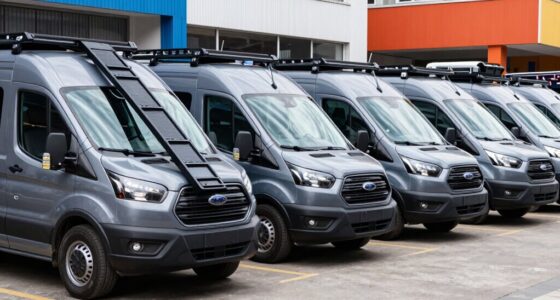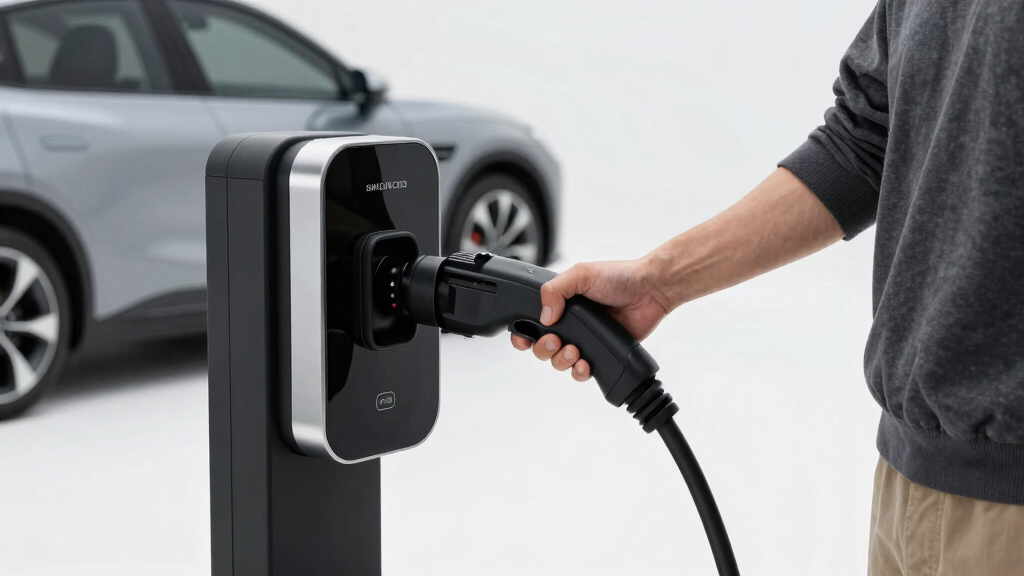

Choosing the best depot charging systems for fleets requires balancing power, reliability, and scalability. The Eaton Green Motion Fleet Charger stands out as the overall top pick thanks to its robust build and smart management features. For those seeking cost-effective solutions, the Electric Vehicle Charging Station for Commercial and Residential Use offers flexibility at a lower price point. Meanwhile, heavy-duty options like the Enphase IQ EV Charger 2 cater to larger fleets with higher power needs. These systems come with tradeoffs—higher capacity chargers tend to cost more and may require complex installation, while simpler units might lack advanced management features. Continue reading for a detailed breakdown to help you find the right fit for your fleet’s unique demands.

Get business pricing on garage and car supplies
- Business-only prices and quantity discounts
- Tax-exempt purchasing
- Multiple users, one account, clear invoices
Key Takeaways
- Top-tier fleet chargers like the Eaton Green Motion Fleet Pro balance power and smart management but come at a premium price.
- Networked chargers such as the LYNX-48S and LYNX-80S offer remote control and monitoring, crucial for large or geographically dispersed fleets.
- Heavy-duty options like the Enphase IQ EV Charger support high power output, suitable for fast-charging large vehicles but require professional installation.
- Cost-effective models provide essential charging capabilities for small to medium fleets, but may lack advanced features like network connectivity.
- Ease of installation and future scalability are key factors that influence long-term value and fleet growth readiness.
| Eaton Green Motion Fleet Charger |  | Best Overall Commercial Depot Charger | Power: 19.2kW | Voltage: 240V | Current: 80A | VIEW LATEST PRICE | See Our Full Breakdown |
| Electric Vehicle Charging Station for Commercial and Residential Use |  | Best Flexible and Smart Charging Solution | Compatibility: Most EV models and standards | Installation Options: Indoor and outdoor, wall-mounted and portable | Smart Functions: App control, scheduled charging | VIEW LATEST PRICE | See Our Full Breakdown |
| Heavy Duty EV Charger Electric Vehicle Charging Station for Commercial and Residential Use |  | Best Versatile Smart Charger for Indoor/Outdoor Use | Compatibility: Most EV models and standards | Installation: Indoor and outdoor, wall-mounted and portable | Smart Functions: App control, scheduled charging | VIEW LATEST PRICE | See Our Full Breakdown |
| Eaton Green Motion Fleet Pro Charger |  | Best for Fleet Management and Durability | Power: 19.2kW at 240V | Current: 80A | Connectivity: Wi-Fi, Ethernet, 4G | VIEW LATEST PRICE | See Our Full Breakdown |
| EV Charging Station Electric Vehicle Charger Heavy Duty Level 2 Smart Charging Unit Wall Mounted for Truck Fleet Depot Warehouse Commercial Parking |  | Best Heavy-Duty Smart Charger for Versatile Environments | Compatibility: Most EV models and standards | Installation: Indoor and outdoor, wall-mounted and portable | Smart Functions: App control, scheduled charging | VIEW LATEST PRICE | See Our Full Breakdown |
| LYNX-48S Level 2 EV Charging Station, 11.5 kW/48 Amp, Networked, Certified ETL, FCC, Energy Star, Suitable for Fleet and Workplace |  | Best Overall for Versatile Fleet and Workplace Use | Power: 11.5 kW/48 Amp | Voltage: 240 volts | Current: 48 A | VIEW LATEST PRICE | See Our Full Breakdown |
| LYNX-80S Level 2 EV Charging Station, 11.5 kW/48 Amp, Commercial, Networked, Certified ETL, FCC, Energy Star, Free eMÖTEN CMS App, Fleet & Workplace |  | Best for Commercial Fleet Management and Remote Monitoring | Power: 11.5 kW / 48 Amp | Charging Speed: Up to 45 miles/hour | Cable Length: 25 feet | VIEW LATEST PRICE | See Our Full Breakdown |
| Enphase IQ EV Charger 2 | 80A Commercial Level 2 Charger (up to 22.1 kW, 240 V) | Cellular + Wi-Fi | OCPP 1.6/2.0.1 | CSMS-Ready | Hardwired | UL Certified | 25 ft Cable | Indoor/Outdoor |  | Best for High-Capacity, Flexible Integration in Commercial Settings | Input Voltage: 240 volts | Current Rating: 80 A | Power Output: Up to 22.1 kW | VIEW LATEST PRICE | See Our Full Breakdown |
| Wall Mounted EV Charging Station Electric Car Charger for Fleet, Truck, Depot, Warehouse Parking, Smart Control, Commercial Use |  | Best for Flexible Installation and Smart Control | Compatibility: Most EV models and standards | Installation Options: Indoor and outdoor, wall-mounted and portable | Smart Functions: App control, scheduled charging, monitoring | VIEW LATEST PRICE | See Our Full Breakdown |
More Details on Our Top Picks
Eaton Green Motion Fleet Charger
The Eaton Green Motion Fleet Charger stands out for its high power output and remote management capabilities, making it ideal for larger fleets that need reliable, scalable charging infrastructure. With 19.2kW power at 240V and an 80A capacity, it can handle multiple vehicles efficiently, especially when compared with less powerful options like the LYNX-48S. Its Wi-Fi and Ethernet connectivity enable remote monitoring, reducing the need for on-site supervision, which is a key advantage for fleet operators. However, this model requires professional installation due to its high power draw and is limited to Level 2 charging, which might not suit those seeking ultra-fast charging solutions or simpler setups. It also lacks a mobile app, which could be a drawback for users wanting more integrated control. Overall, this charger makes the most sense for sizable fleets prioritizing robust, reliable charging with remote oversight, accepting the higher upfront investment and installation complexity.
Pros:- High power output suitable for fast fleet charging
- Remote monitoring via Wi-Fi/Ethernet reduces on-site management
- Long 25-foot cord offers flexible installation options
- Energy Star certified for energy efficiency
Cons:- Requires professional installation due to high power demands
- Limited to Level 2 charging, no ultra-fast options
- No dedicated mobile app for user management
Best for: Large commercial fleets requiring dependable, high-capacity charging with remote management
Not ideal for: Small fleets or businesses seeking simple, plug-and-play solutions without professional installation needs
- Power:19.2kW
- Voltage:240V
- Current:80A
- Connectivity:Wi-Fi/Ethernet
- Cord Length:25 feet
- Certification:Energy Star
- Warranty:3 Years
Our verdict“This charger is best suited for large fleets that need scalable, remotely managed charging infrastructure despite higher installation costs.”
Electric Vehicle Charging Station for Commercial and Residential Use
This EV Charging Station for Commercial and Residential Use offers versatile installation options, supporting both wall-mounted and portable configurations suitable for indoor and outdoor environments. Compared with the Eaton Green Motion Fleet Charger, it provides greater flexibility for different scenarios, making it ideal for businesses or homeowners needing adaptable solutions. Its smart features, such as app control and scheduled charging, add convenience, although the actual power output and charging speeds are less defined, which could be limiting for high-volume fleet use. The final cost varies depending on configuration and delivery, which might make budgeting challenging. This model is better suited for those with moderate charging needs or smaller fleets where flexibility and smart features outweigh the need for maximum power. It’s less ideal for large fleets demanding rapid, high-capacity charging.
Pros:- Supports both wall-mounted and portable installation
- Smart features like app control and scheduled charging
- Compatible with most EV models and standards
- Suitable for indoor and outdoor environments
Cons:- Final cost depends on configuration and delivery location
- Limited details on power output and charging speeds
- Smart functions may require setup and app configuration
Best for: Small to medium fleets or businesses wanting flexible, smart charging options for indoor and outdoor use
Not ideal for: Large fleets requiring high-speed, high-capacity charging infrastructure
- Compatibility:Most EV models and standards
- Installation Options:Indoor and outdoor, wall-mounted and portable
- Smart Functions:App control, scheduled charging
- Use Cases:Home, commercial, parking
- Support & Guidance:Technical support, system matching
Our verdict“This station is ideal for smaller fleets or mixed-use environments where installation flexibility and smart features are priorities over maximum charging power.”
Heavy Duty EV Charger Electric Vehicle Charging Station for Commercial and Residential Use
The Heavy Duty EV Charger offers a flexible solution suitable for both residential and commercial environments, supporting indoor and outdoor installation with wall-mounted or portable options. Its compatibility with most EV models and smart features like app control and scheduled charging make it a good choice for fleet managers looking for versatility. Compared with the Eaton Green Motion Fleet Charger, it may lack the same high power output, but it compensates with broad use-case support and easier installation. Its main downside is that some features may require specific configurations or additional setup, and there’s limited information on actual charging speeds, which could impact quick turnaround times for busy fleets. This pick makes the most sense for mixed-use applications needing adaptable, smart charging solutions at a moderate scale.
Pros:- Supports smart features such as app control and scheduling
- Compatible with most EV models and standards
- Flexible installation options for indoor and outdoor use
- Suitable for residential and commercial applications
Cons:- Final cost varies based on configuration and location
- Limited info on charging speed and power output
- Some features may need additional setup
Best for: Fleets or businesses needing adaptable indoor/outdoor charging with smart control features
Not ideal for: Very large fleets needing ultra-fast charging or high-capacity infrastructure
- Compatibility:Most EV models and standards
- Installation:Indoor and outdoor, wall-mounted and portable
- Smart Functions:App control, scheduled charging
- Use Cases:Home, fleet, commercial parking
- Support & Guidance:Technical support
Our verdict“This charger is well-suited for mixed-use scenarios requiring flexibility and smart features, though it may not meet the needs of large-scale, fast-charging fleets.”
Eaton Green Motion Fleet Pro Charger
The Eaton Green Motion Fleet Pro Charger excels with multiple connectivity options, including Wi-Fi, Ethernet, and 4G, making it ideal for fleet operators seeking remote management and robust data access. Its 19.2kW power output and 80A capacity match other high-capacity chargers like the Green Motion Fleet Charger, but the Pro version’s metal enclosure and weather resistance enhance durability, especially in outdoor depot settings. Features like RFID and QR code access streamline user management for large fleets. The main tradeoff is cost—this unit is typically more expensive, and its setup complexity may demand professional installation. It’s best suited for fleet environments where durability, remote management, and access control are priorities, rather than for smaller or budget-conscious operations.
Pros:- High power output suitable for fleet needs
- Multiple connectivity options including 4G for remote access
- Weather-resistant metal enclosure for outdoor durability
- User access control via RFID and QR code
Cons:- Higher price point compared to basic chargers
- Setup may require professional installation
- Limited to commercial fleet environments
Best for: Large fleet depots requiring durable, weather-resistant chargers with advanced remote management
Not ideal for: Small fleets or operations with limited budgets due to higher cost and complexity
- Power:19.2kW at 240V
- Current:80A
- Connectivity:Wi-Fi, Ethernet, 4G
- Cord Length:25′
- Enclosure:Metal, NEMA 3R
- Energy Star:Yes
- Warranty:3 Years
Our verdict“This charger is best for large-scale fleet depots demanding durable, remotely managed charging infrastructure with comprehensive access controls.”
EV Charging Station Electric Vehicle Charger Heavy Duty Level 2 Smart Charging Unit Wall Mounted for Truck Fleet Depot Warehouse Commercial Parking
The Heavy Duty Level 2 Smart Charging Unit is designed for demanding environments like depots, warehouses, and commercial parking, supporting both wall-mounted and portable configurations. Its compatibility with most EV models and intelligent features such as app control and scheduling make it a flexible choice for diverse needs. Compared to the more streamlined options like the Electric Vehicle Charging Station for Commercial and Residential Use, this unit emphasizes durability and heavy-duty performance, suitable for high-traffic, outdoor, or rugged settings. A potential downside is that the actual charging speed and power output details are limited, which could impact quick turnaround times for busy fleets. This model makes the most sense for environments where durability and smart management are critical, but ultra-fast charging is less of a concern.
Pros:- Supports smart features like app control and scheduling
- Compatible with most EV models and standards
- Flexible installation options for indoor and outdoor use
- Heavy-duty build suitable for high-traffic environments
Cons:- Limited information on charging speed and maximum power
- Cost can be high depending on configuration
- Setup might require professional assistance
Best for: Heavy-duty fleet operations needing durable, smart charging in outdoor or rugged environments
Not ideal for: Small or light-duty fleets where simplicity and speed are priorities
- Compatibility:Most EV models and standards
- Installation:Indoor and outdoor, wall-mounted and portable
- Smart Functions:App control, scheduled charging
- Use Cases:Depot, warehouse, commercial parking
- Support & Guidance:Technical support
Our verdict“This charger is best for heavy-duty environments where durability, smart features, and flexibility are paramount, accepting some limitations in charging speed details.”
LYNX-48S Level 2 EV Charging Station, 11.5 kW/48 Amp, Networked, Certified ETL, FCC, Energy Star, Suitable for Fleet and Workplace
This model stands out for its balanced combination of fast charging, safety certifications, and network connectivity, making it ideal for a variety of fleet and workplace environments. Compared with the LYNX-80S, the LYNX-48S offers similar power but is slightly more compact, though it sacrifices some advanced features like remote management via dedicated apps. Its 11.5 kW output can deliver approximately 45 miles of range per hour, supporting quick turnaround times. The IP65 enclosure rating ensures durability in outdoor settings, but its 22.5-pound weight means professional installation is advisable, especially for larger fleets. Limited to Wi-Fi and RFID, it may require stable network access to fully utilize remote features. This pick is well-suited for fleets needing reliable, safe, and adaptable charging stations without the complexity of high-capacity units.
Pros:- Fast charging speed up to 45 miles/hour
- Certified for safety and energy efficiency with Energy Star and UL listings
- Network connectivity with remote monitoring and access control
- Easy installation with adjustable power settings
Cons:- Heavy weight may require professional installation
- Limited to indoor/outdoor use with specific enclosure ratings
- Requires Wi-Fi for full functionality
Best for: Fleet managers seeking a reliable, versatile station with network features and indoor/outdoor capability
Not ideal for: Large-scale fleets requiring ultra-high power charging or advanced app integrations for remote management
- Power:11.5 kW/48 Amp
- Voltage:240 volts
- Current:48 A
- Connector Type:J1772 Type 1
- Cable Length:25 feet
- Enclosure Rating:IP65 / IK08
- Operating Temperature:-22°F to +122°F
- Connectivity:Wi-Fi, RFID, OCPP
Our verdict“This station offers a strong balance of power, safety, and connectivity, making it ideal for most fleet and workplace applications.”
LYNX-80S Level 2 EV Charging Station, 11.5 kW/48 Amp, Commercial, Networked, Certified ETL, FCC, Energy Star, Free eMÖTEN CMS App, Fleet & Workplace
The LYNX-80S distinguishes itself with its high uptime (99%) and comprehensive network features, including the free eMÖTEN app for remote management, making it a top choice for commercial fleet operations. Unlike the LYNX-48S, the 80S offers a more robust safety profile with certifications like UL2594 and CSA, and it supports more advanced OCPP protocols for seamless integration. Its 11.5 kW output delivers roughly 45 miles per hour of range, suitable for demanding fleet schedules. The enclosure rating of IP65/IK08 ensures durability against the elements, but its 22.5-pound weight and hardwired setup may require professional assistance. This station is ideal for operators prioritizing minimal downtime, remote oversight, and high reliability.
Pros:- High industry uptime at 99%
- Robust safety certifications and energy efficiency
- Seamless integration with OCPP and free app for remote management
- Reliable, networked operation with no ongoing subscription fees
Cons:- Heavy at 22.5 lbs, requiring professional installation
- Hardwired setup may add installation time and cost
- Limited details on user interface or local control
Best for: Large fleets needing high uptime, remote access, and integration with existing management systems
Not ideal for: Small fleets or sites with limited technical support, due to installation complexity and higher upfront investment
- Power:11.5 kW / 48 Amp
- Charging Speed:Up to 45 miles/hour
- Cable Length:25 feet
- Enclosure Rating:IP65 / IK08
- Operating Temperature:-22°F to +122°F
- Weight:22.5 lbs
- Supply Circuit:208/240 V, 60 A
- Certifications:Energy Star, FCC, ETL, UL2594, CSA
Our verdict“Designed for demanding commercial fleets, this station excels in uptime, safety, and remote management, but requires professional installation and a larger budget.”
Enphase IQ EV Charger 2 | 80A Commercial Level 2 Charger (up to 22.1 kW, 240 V) | Cellular + Wi-Fi | OCPP 1.6/2.0.1 | CSMS-Ready | Hardwired | UL Certified | 25 ft Cable | Indoor/Outdoor
The Enphase IQ EV Charger 2 offers the highest power output in this lineup, with up to 22.1 kW, making it suitable for fast, high-capacity charging in demanding commercial environments. Its built-in cellular connectivity provides reliable online access even where Wi-Fi is weak or unavailable, setting it apart from models like the LYNX-48S or LYNX-80S. Open platform support and an accurate revenue-grade meter make it highly adaptable for billing and system integration. Despite its impressive capacity, the higher power and complex setup may require professional installation, and its price point isn’t specified, which could be a consideration for budget-conscious fleets. This unit is best suited for large operations seeking maximum charging speed and flexible network options.
Pros:- High power output up to 22.1 kW
- Built-in cellular and Wi-Fi connectivity for reliable access
- Open platform support with OCPP 1.6/2.0.1
- Includes revenue-grade meter for precise billing
Cons:- Higher capacity may necessitate professional, possibly complex installation
- Price not specified, potentially higher cost
- Limited UI details or local control options
Best for: Large, high-demand fleets needing rapid charging and advanced network options with cellular backup
Not ideal for: Small fleets or locations with limited technical expertise, due to complexity and cost considerations
- Input Voltage:240 volts
- Current Rating:80 A
- Power Output:Up to 22.1 kW
- Cable Length:25 ft
- Connectivity:Cellular + Wi-Fi
- Certifications:UL Certified
- Installation:Hardwired
Our verdict“This charger excels in high-capacity, flexible network connectivity, ideal for large fleets with demanding charging needs and technical resources.”
Wall Mounted EV Charging Station Electric Car Charger for Fleet, Truck, Depot, Warehouse Parking, Smart Control, Commercial Use
This wall-mounted charger is a versatile choice for both residential and commercial settings, supporting various installation configurations—wall-mounted or portable. Its compatibility with most EV models and standards makes it adaptable across a broad fleet. Unlike the detailed network features of the LYNX-80S or Enphase IQ, this station emphasizes smart control functions like app-based scheduling and monitoring, offering convenience for fleet managers. However, the final cost depends heavily on chosen features and delivery, and smart functions may require some setup. It’s an appealing option for operations that prioritize flexible placement and basic smart features without the need for extensive network integration.
Pros:- Flexible indoor and outdoor installation options
- Supports smart features like app control and scheduling
- Compatible with most EV models and standards
- Portable and space-efficient design
Cons:- Final cost varies based on configuration and delivery
- Smart functions may require app setup and user familiarity
- Limited advanced network features compared to dedicated stations
Best for: Small to medium fleets, or commercial sites needing flexible, smart-controlled charging options
Not ideal for: High-volume operations demanding integrated management and high uptime without manual oversight
- Compatibility:Most EV models and standards
- Installation Options:Indoor and outdoor, wall-mounted and portable
- Smart Functions:App control, scheduled charging, monitoring
- Use Cases:Home, commercial parking, fleet, depot, warehouse
Our verdict“This station provides adaptable installation and smart control in a budget-friendly package suitable for smaller or flexible fleet needs.”

How We Picked
I evaluated these depot charging systems based on several critical criteria that matter most to fleet operators. Performance metrics such as charging power, compatibility with different vehicle types, and scalability were prioritized. Usability factors like ease of installation, user interface, and remote management capabilities also played a role. Build quality and durability for commercial environments, along with value for investment, helped determine the rankings. Lastly, features like network connectivity and compliance with safety standards ensured these chargers would meet both current and future fleet needs, reflecting a balanced approach to performance, cost, and long-term usability.Factors to Consider When Choosing Best Depot Charging Systems For Fleets
Selecting the best depot charging system for your fleet involves understanding key factors that influence performance, cost, and scalability. Beyond features, it’s essential to consider your fleet size, vehicle types, and future growth plans to avoid costly upgrades down the line. Proper planning can prevent underpowered systems that slow operations or over-investment in capabilities your fleet doesn’t need. This guide highlights the main aspects to focus on to make an informed, strategic choice, along with common pitfalls to avoid.Power Capacity and Charging Speed
The charging power, typically measured in kilowatts (kW), determines how quickly your fleet vehicles can be charged. Higher wattage units, like 80A chargers, deliver faster charging but often come with higher costs and more complex installation requirements. It’s vital to match the system’s capacity to your fleet’s operational schedule; overestimating can lead to unnecessary expenses, while underestimating risks longer downtime. Consider future fleet expansion; choosing slightly more powerful systems can save you from costly upgrades later.
Network Connectivity and Management
Networked charging stations enable remote monitoring, management, and troubleshooting, which are especially useful for large fleets or multiple locations. These features help optimize charging schedules, prevent downtime, and track energy usage for billing or efficiency improvements. However, they add complexity and can increase upfront costs. Small fleets or those with simple needs might prioritize standalone units, while larger operations should invest in networked solutions for better control and data insights.
Ease of Installation and Maintenance
The complexity of installing a depot charger varies widely. Features like plug-and-play design and modular components simplify setup, reducing initial costs and downtime. Conversely, heavy-duty or high-capacity chargers may require professional installation and ongoing maintenance, which can add to costs. Consider your facility’s existing electrical infrastructure and whether upgrades are necessary. Long-term serviceability and manufacturer support are equally important to ensure the system remains operational without unexpected expenses.
Cost and Total Cost of Ownership
While upfront costs are a key consideration, the total cost of ownership—including installation, maintenance, and energy efficiency—shapes the true value of a depot charging system. Cheaper units may save money initially but could lack durability or scalability, leading to higher costs later. Conversely, premium chargers often offer better energy management, longer warranties, and advanced features, translating into savings and efficiency over time. Balancing initial expenditure against long-term benefits is crucial for sustainable fleet operations.
Compatibility and Future Scalability
Ensure the chosen system is compatible with your current vehicle fleet and flexible enough to support future growth. Chargers that support multiple charging standards and vehicle types offer greater versatility. Modular systems allow for incremental upgrades without replacing entire units, saving money and time. Avoid systems that are too specialized or limited in capacity, which could hinder fleet expansion or require costly replacements down the line.
Frequently Asked Questions
Can I upgrade my depot charger later if my fleet grows?
Many modern depot chargers are designed with scalability in mind, offering modular or expandable features that accommodate fleet growth. Upgrading might involve adding new units or upgrading existing hardware, which can be straightforward if the system supports it. However, some older or less flexible models may require complete replacement. Planning for future expansion at the time of purchase ensures you avoid costly upgrades or replacements later, making flexibility a key consideration.
What’s the most important feature to look for in a fleet charging system?
The most vital feature depends on your fleet’s specific needs, but generally, reliable power delivery combined with remote management capabilities offers the biggest benefits. Fast charging speeds reduce vehicle downtime, while network connectivity enables efficient operation, especially across multiple locations. Durability and ease of maintenance also matter, as these factors influence long-term operational costs and uptime. Prioritizing these features ensures your fleet remains productive and cost-effective.
Are high-capacity chargers worth the extra cost for small fleets?
For small fleets with limited vehicles, high-capacity chargers may be more than necessary, leading to higher upfront costs and potentially underused capacity. In such cases, smaller, lower-wattage chargers can meet daily needs at a lower price point. However, if you anticipate rapid fleet growth or require fast turnaround times, investing in a higher-capacity system now can prevent costly upgrades later. Evaluating current and future needs helps determine if the investment aligns with your plans.
How important is network connectivity for fleet depot chargers?
Network connectivity enhances control and oversight, allowing fleet managers to monitor charging status, schedule sessions, and troubleshoot remotely. This feature is especially valuable for larger or multi-site fleets, where manual management becomes impractical. However, it does introduce additional complexity and costs. For small or single-site fleets, standalone chargers might suffice, but as operations scale, investing in connected systems delivers significant operational efficiencies.
What should I consider regarding installation requirements?
Installation complexity varies based on the system’s power needs and existing electrical infrastructure. High-capacity chargers often require upgrades to electrical panels and professional installation, adding to initial costs and setup time. Simpler, wall-mounted units may plug into existing outlets and be easier to deploy. It’s wise to consult with an electrical contractor early to assess your facility’s capacity and avoid surprises that could delay deployment or increase expenses.
Conclusion
For those managing a small to medium fleet looking for reliable, easy-to-install chargers, budget-friendly options with basic features can suffice. Larger fleets or those prioritizing operational control should consider networked, high-capacity chargers like the Eaton Green Motion Fleet Pro or Enphase IQ EV Charger for scalability and efficiency. Fleet operators seeking the best overall balance of power, management, and future-proofing will find the Eaton Green Motion Fleet Charger ideal. Beginners and smaller operations should prioritize simplicity, while enterprises with growth plans benefit from modular, scalable systems designed for long-term use.Evergreen bestsellers Picks

Bose QuietComfort Ultra Wireless Noise Cancelling Earbuds, 2nd Gen, with 20W 2-Port Wall Charger

TCL 55-Inch F7D Series QLED 4K UHD Smart Fire TV (2026)

TCL 85-Inch QM6K QLED Mini LED 4K HDR Smart Google TV, 144Hz
As an affiliate, we earn on qualifying purchases.