
Lifecycle cost modeling helps you make smarter decisions for your transit fleet by estimating total expenses over a vehicle’s entire lifespan. It covers acquisition, maintenance, fuel, insurance, and end-of-life costs, giving you a clear picture of long-term financial impacts. By analyzing factors like vehicle lifespan and external influences, you can optimize resource allocation and extend fleet longevity. Keep exploring to discover strategies that can maximize your fleet’s efficiency and sustainability.
Listen free for 30 days with Audible
Thousands of audiobooks and originals — cancel anytime.
As an affiliate, we earn on qualifying purchases.
Key Takeaways
- Lifecycle cost modeling evaluates total expenses over a transit fleet’s operational life, aiding informed procurement and management decisions.
- It incorporates acquisition, maintenance, operational, and end-of-life costs for comprehensive financial planning.
- Estimating vehicle lifespan helps optimize replacement timing and prevent premature or delayed replacements.
- Sensitivity analysis assesses external factors like fuel prices and technology changes to manage risks effectively.
- Strategic use of lifecycle modeling enhances fleet sustainability, performance, and long-term financial efficiency.

Understanding the total cost of owning and operating transit fleets is essential for making informed procurement and management decisions. When you accurately assess the full lifecycle costs, you can select the most cost-effective vehicles and develop strategies that optimize performance over time. Lifecycle cost modeling helps you look beyond the initial purchase price and consider all expenses incurred during a vehicle’s operational life, including maintenance, fuel, repairs, and eventual disposal. This thorough view ensures you’re not just saving money upfront but also avoiding unexpected costs that could strain your budget later.
Assessing full lifecycle costs ensures smarter fleet decisions and long-term financial sustainability.
You begin by identifying all relevant cost components. These include acquisition costs like vehicle purchase price, taxes, and delivery fees. But you also need to factor in ongoing expenses, such as routine maintenance, repairs, insurance, and fuel or energy costs. Additionally, consider costs related to vehicle downtime, efficiency, and safety features, which can influence operational reliability and passenger satisfaction. By mapping these elements, you create a detailed picture of what each vehicle will likely cost from deployment to retirement.
This process enables you to compare different vehicle models, propulsion technologies, and manufacturers on an equal footing, making it easier to select options that balance upfront investment with long-term savings.
Another critical aspect is estimating the lifespan of each vehicle. Knowing how long a transit vehicle is expected to remain in service helps you project these costs more accurately. You need to think about factors such as wear and tear, technological obsolescence, and evolving standards that might influence when a vehicle should be replaced.
This foresight allows you to plan budgets effectively and avoid the risk of premature replacements or extended use of aging vehicles, which could lead to higher maintenance costs or safety issues.
Furthermore, lifecycle cost modeling involves sensitivity analysis. By testing how variations in fuel prices, maintenance costs, or vehicle lifespan affect total costs, you can identify potential risks and prepare contingency plans. This proactive approach ensures your fleet remains sustainable and cost-efficient despite fluctuations in external factors.
In addition, incorporating high-fidelity data from your fleet operations can significantly improve the accuracy of your models, leading to better decision-making.
Over time, collecting real-world data from your fleet operations helps refine your models, making future projections more accurate and enabling continuous improvement.
In essence, lifecycle cost modeling empowers you to make strategic decisions rooted in thorough financial insight. It shifts your focus from short-term savings to long-term value, helping you allocate resources wisely, extend vehicle lifespan, and improve overall fleet performance.
When you understand the full scope of costs involved, you can confidently plan for the future, ensure fiscal responsibility, and deliver reliable transit services to your community.

USANOOKS Microfiber Cleaning Cloth Grey - 12 Pcs (12.5"x12.5") - High Performance - 1200 Washes, Ultra Absorbent Microfiber Towel Weave Grime & Liquid for Streak-Free Mirror Shine - Car Washing Cloth
- High Absorbency Grip Root Weave: Locks in 8-10x weight in liquids
- Lint-Free and Scratch-Resistant: Prevents streaks, swirls, and damage
- Durable for 1200+ Washes: Long-lasting reuse with overlock stitching
As an affiliate, we earn on qualifying purchases.
Frequently Asked Questions
How Does Lifecycle Cost Modeling Influence Fleet Procurement Decisions?
Lifecycle cost modeling helps you make smarter fleet procurement decisions by revealing the true long-term expenses of different options. It highlights not just initial costs but ongoing maintenance, operation, and disposal costs.
With this insight, you can choose vehicles that offer better value over time, reduce unexpected expenses, and optimize your budget. Ensuring your transit fleet remains reliable, efficient, and cost-effective throughout its lifespan.
What Software Tools Are Best for Lifecycle Cost Analysis?
You should consider tools like TransModeler, FleetCost, and TCO4Transit, which are highly regarded for lifecycle cost analysis. Did you know that using these tools can reduce fleet operating costs by up to 15%?
These software solutions help you evaluate acquisition, maintenance, and disposal costs efficiently, enabling smarter procurement decisions. They also offer detailed simulations and reporting features, making it easier to optimize your transit fleet’s total cost of ownership.
How Can Lifecycle Costs Be Minimized Without Compromising Service Quality?
You can minimize lifecycle costs by optimizing maintenance schedules and choosing durable, fuel-efficient vehicles. Regularly monitor performance data to catch issues early and avoid costly repairs later.
Adopt preventive maintenance strategies and invest in high-quality parts to extend vehicle life. Training your staff guarantees proper operation and upkeep.
Balancing cost-saving measures with quality control helps maintain service standards while reducing expenses over the fleet’s lifespan.
What Are Common Challenges in Implementing Lifecycle Cost Models?
You often face challenges like data inaccuracies, limited resources, and resistance to change when implementing lifecycle cost models.
Coincidences such as outdated information or lack of staff training can derail your efforts.
To succeed, you need clear communication, reliable data, and stakeholder buy-in.
How Does Lifecycle Cost Modeling Adapt to Emerging Transit Technologies?
You adapt lifecycle cost modeling to emerging transit technologies by continuously updating your models with new data, integrating innovative components, and considering future trends.
You assess the long-term financial impacts of new technologies like electric or autonomous vehicles, accounting for higher upfront costs and potential savings.
You also involve stakeholders early, ensuring your models realistically reflect technological advancements, helping you make informed decisions about investments and maintenance strategies.

HOMEXCEL Microfiber Cleaning Cloth 12 Pack, 12.5 x 12.5 inch Microfiber Towels for Cars, Ultra Absorbent Washing Cloth, Lint Free Streak Free Cleaning Rags for Car, Kitchen, and Window (Grey)
- High Water Absorption: Excellent at absorbing dirt and liquids
- Scratch-Free Material: Soft fabric protects car paint
- Fast Drying: Quickly absorbs water for streak-free finish
As an affiliate, we earn on qualifying purchases.
Conclusion
By understanding and applying lifecycle cost modeling, you can make smarter decisions for your transit fleet, just like a captain navigates through rough waters with a steady hand. It helps you anticipate expenses, optimize investments, and extend vehicle lifespan. Remember, neglecting these insights is like sailing without a compass—you’re more likely to drift off course. Embrace these tools, and you’ll steer your fleet toward greater efficiency and long-term success.
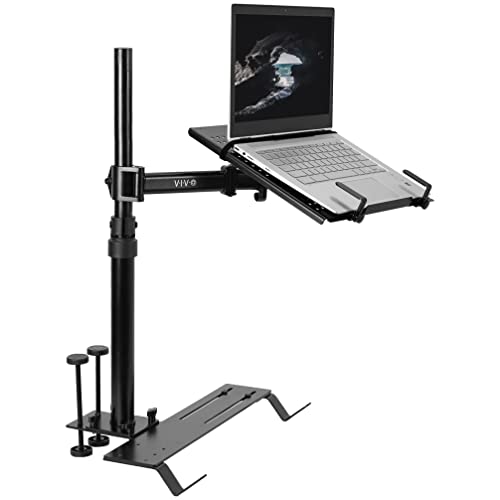
VIVO Single Laptop Car Mount, Fully Adjustable Extension, Notebook Stand for Trucks, Vans, and SUVs, Articulation and Height Adjustment, Black, MOUNT-CAR01
- Universal Vehicle Compatibility: Fits trucks, vans, cars with floor bolts
- Large Capacity Tray: Holds laptops up to 17 inches and 11 lbs
- Ventilated Surface: Ensures airflow for cooling
As an affiliate, we earn on qualifying purchases.

MELIPRON Truck Laptop Mount for Cars, Vans, Vehicles, No-Drill Computer Stand with Adjustable Height, Full Motion Swivel, Heavy-Duty Laptop Holder for Mobile Work
- Cooling Fans: Built-in dual USB cooling fans
- Durable Construction: Heavy-duty aluminum and steel build
- Adjustable Viewing: Height, tilt, and 360° swivel adjustment
As an affiliate, we earn on qualifying purchases.
Back to school Picks
back to school
As an affiliate, we earn on qualifying purchases.