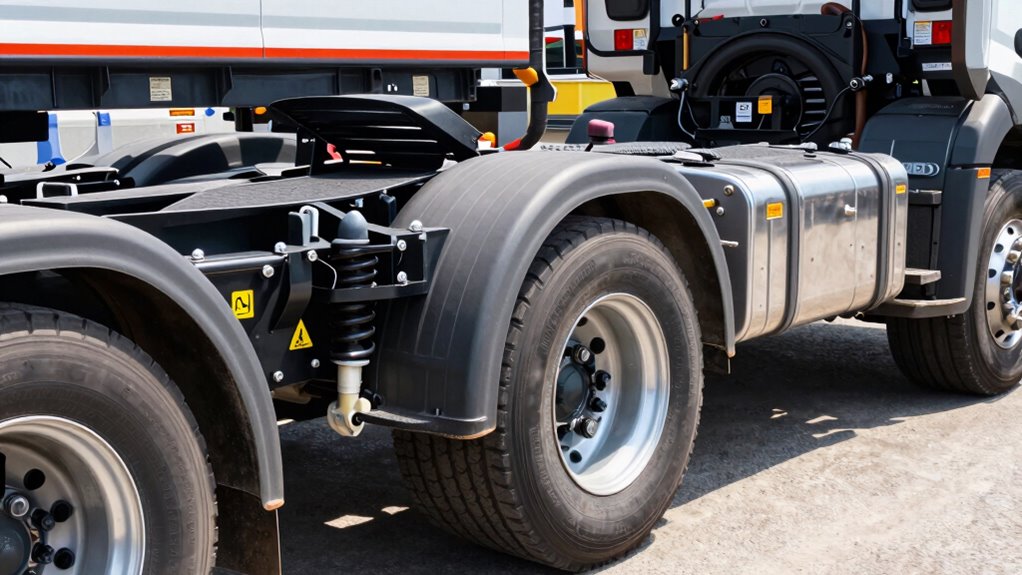

To stay safe, you need to understand your vehicle’s GVM and axle limits. GVM is the maximum weight your vehicle can carry, including cargo, passengers, and accessories. Each axle also has a weight capacity you shouldn’t exceed. Overloading risks mechanical failure, loss of control, and legal penalties. Proper weight distribution and staying within these limits are essential to protect yourself and others. If you keep these points in mind, you’ll be better prepared to load safely and avoid danger.
Listen free for 30 days with Audible
Thousands of audiobooks and originals — cancel anytime.
As an affiliate, we earn on qualifying purchases.
Key Takeaways
- Know your vehicle’s GVM to ensure total load, including cargo and passengers, stays within safe limits.
- Check axle load capacities and distribute weight evenly to prevent overloading any single axle.
- Overloading beyond GVM or axle limits can cause mechanical failure, accidents, and legal penalties.
- Regularly weigh your vehicle to confirm it remains within legal and manufacturer-specified weight limits.
- Proper load management maintains vehicle safety, performance, and compliance with road regulations.

Understanding GVM (Gross Vehicle Mass) and axle limits is essential for safe and legal vehicle operation. When you’re loading your vehicle, it’s crucial to keep in mind how much weight it can handle overall, as well as how that weight is distributed across the axles. Your vehicle’s GVM represents the maximum total weight it’s rated to carry, including the vehicle’s own weight plus any cargo, passengers, or accessories. Exceeding this limit can compromise your safety, cause mechanical failures, and lead to hefty fines or legal trouble. It’s vital to know your vehicle’s specific GVM, which is usually listed on a placard inside the driver’s door or in the owner’s manual.
Knowing your vehicle’s GVM ensures safe, legal loads and prevents mechanical issues.
Equally important is understanding the role of axle capacity. Each axle on your vehicle has a maximum weight limit it can support safely. Overloading an individual axle can lead to uneven tire wear, increased braking distances, and even axle failure. When you load your vehicle, you should distribute the weight evenly to prevent putting excessive strain on any single axle. For example, placing too much weight on the rear axle can cause instability during turns or braking, increasing the risk of accidents. Conversely, underloading can be just as problematic, affecting handling and braking efficiency. Properly managing your vehicle’s weight also involves understanding axle load limits, which are critical to maintaining vehicle safety and performance. Additionally, proper weight distribution is key to ensuring that no single component bears an undue burden, preserving the longevity of your vehicle.
To stay within safe limits, you need to be aware of the weight of everything you plan to carry. This means weighing your cargo, passengers, and accessories beforehand. Use a reliable scale to determine the total vehicle weight, and ensure it doesn’t surpass your vehicle’s GVM. Also, check how that weight is distributed across the axles. If you’re uncertain about your vehicle’s axle capacities, consult the manufacturer’s specifications or speak with a professional. Many vehicles also have axle load plates that specify the maximum load per axle; always adhere to these markings. Moreover, understanding vehicle weight limits can help you avoid fines and penalties associated with overloads, which are common legal issues faced by drivers.
Overloading your vehicle is not just a legal issue but a safety hazard. When you exceed the vehicle’s GVM or the axle capacity, you risk losing control, causing tire blowouts, or damaging suspension components. Properly managing your vehicle’s weight and adhering to axle limits helps preserve your vehicle’s integrity, ensures safe driving conditions, and keeps you compliant with road regulations. Remember, it’s better to make multiple trips or reduce your cargo load than to risk accidents or damage by ignoring weight limits. Staying within the specified GVM and axle capacities isn’t just about following rules; it’s about protecting yourself, your passengers, and everyone on the road.
Frequently Asked Questions
How Do GVM and Axle Limits Vary Between Vehicle Types?
You’ll find that GVM and axle limits vary based on vehicle type, mainly due to differences in vehicle weight and axle configurations. For example, trucks with multiple axles can typically handle more load, but each axle has its own limit to prevent damage. Light vehicles have lower GVMs and axle limits, ensuring safe operation. Always check your vehicle’s specifications to stay within these limits and avoid safety risks.
What Are the Penalties for Exceeding GVM or Axle Limits?
You’ll face hefty overloading fines and potential insurance nightmares if you exceed GVM or axle limits. Authorities take overloading seriously—so don’t think you can just add another box of supplies and hope for the best. Penalties include hefty fines, license points, and possibly losing coverage if an accident happens. So, stay within limits to avoid costly fines and guarantee your insurance remains valid. Overloading isn’t just risky; it’s costly.
Can Modifications Affect a Vehicle’s GVM or Axle Ratings?
Modifications like aftermarket upgrades can definitely affect your vehicle’s GVM and axle ratings. When you add weight, especially if it’s unevenly distributed, it can push your vehicle beyond safe limits. Always check how upgrades impact weight distribution and GVM before making changes. If you don’t, you risk overloading, which could lead to safety issues, legal penalties, and damage to your vehicle. Stay informed and keep within the recommended limits.
How Do GVM and Axle Limits Impact Towing Capacity?
Your GVM and axle limits directly impact your towing capacity. Proper cargo distribution guarantees weight stays within these limits, preventing overloads. Always consider your vehicle’s tire load capacity, as exceeding it can lead to tire failure. By staying within GVM and axle ratings, you maintain safe handling and avoid damage. Keep your load balanced and within capacity to tow effectively and safely, maximizing your vehicle’s performance.
Are There Different Regulations for Commercial and Private Vehicles?
Yes, there are different regulations for commercial and private vehicles. You need to check your vehicle registration and insurance requirements, as commercial vehicles often face stricter rules, including licensing and safety standards. Private vehicles typically have more lenient regulations, but you still must adhere to GVM and axle limits to stay safe and compliant. Always verify local laws to make certain you’re meeting all legal and safety requirements.
Conclusion
Now that you understand GVM and axle limits, you can hit the road with confidence. Remember, overloads can turn your journey into a ticking time bomb if you’re not careful. Stick to the limits and keep things balanced—don’t bite off more than you can chew. When you respect these boundaries, you’re steering clear of trouble and ensuring a smooth ride. It’s better to play it safe than to learn the hard way when things go south.
Flea & tick season Picks
flea and tick prevention
As an affiliate, we earn on qualifying purchases.