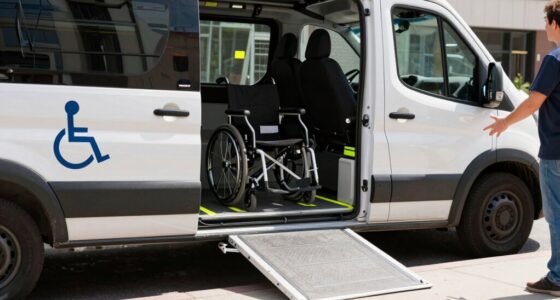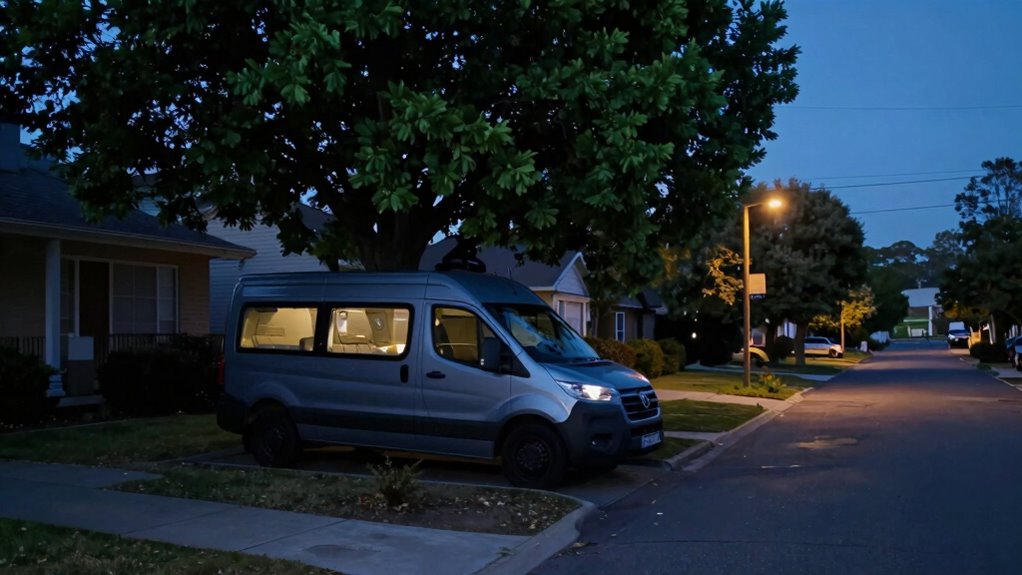

When vanlife, it’s vital to understand local parking, overnighting, and stealth camping laws to avoid fines or towing. Always check signs for restrictions on overnight stays, especially in residential areas or public lots. Laws can vary widely between regions, so research local rules beforehand. Opt for legal, well-lit parking spots and respect neighborhood rules. If you keep exploring, you’ll discover ways to camp safely and legally in different areas.
Key Takeaways
- Verify local parking laws and restrictions online or at visitor centers to avoid fines and towing.
- Differentiate between parking regulations, overnight restrictions, and time limits to stay compliant.
- Rural and less populated areas often have more permissive laws; always check specific regional rules.
- Use designated van or RV parking zones and avoid residential neighborhoods to prevent violations.
- Prioritize safe, well-lit areas and research local resources to enhance overnight safety and legality.
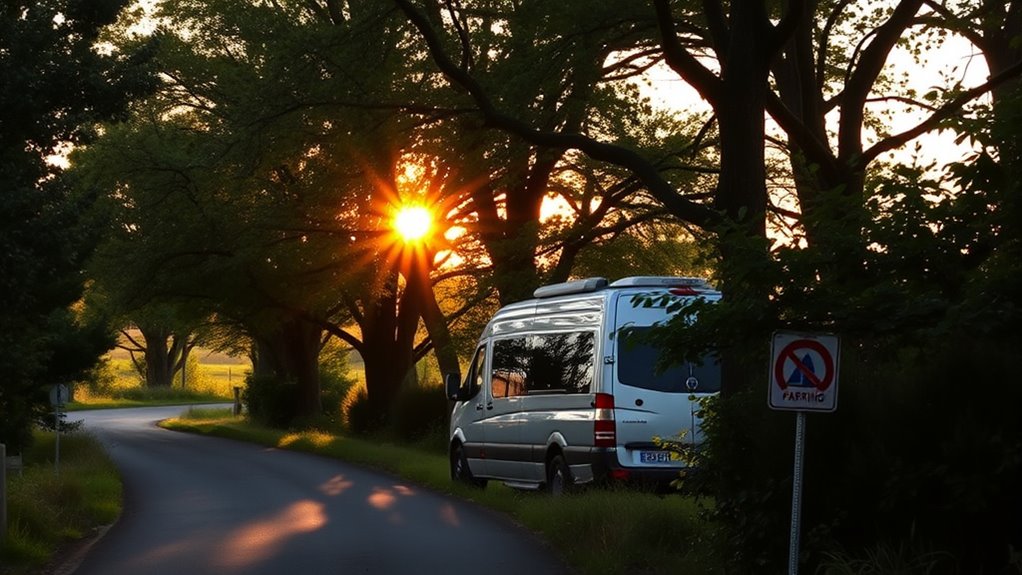
Are you considering vanlife but unsure about the legal hurdles? Navigating the rules around parking and overnighting is a vital part of your journey. Local parking regulations can be strict, and knowing where you’re allowed to leave your van overnight makes all the difference. Many cities and towns have specific parking regulations that restrict overnight stays in certain areas, so you can’t just park anywhere and assume it’s legal. Some places have designated overnight parking zones, while others prohibit overnight parking altogether. It’s essential to research the rules for each location you plan to stay in to avoid fines, towing, or unwanted attention. Ignoring overnight restrictions can lead to hefty penalties or having your vehicle booted or towed.
Research local parking rules to avoid fines and towing while enjoying vanlife.
Understanding the difference between parking regulations and overnight restrictions helps you plan your stops more safely. Parking regulations often specify days and times when parking is allowed or restricted, while overnight restrictions focus specifically on the hours when overnight stays are prohibited. For example, a parking lot might allow daytime parking but ban overnight stays, or a city street might have signs indicating no parking overnight. Paying close attention to signs and local ordinances is key. Many jurisdictions also have time limits, meaning you can park for a certain number of hours but can’t leave your van there overnight, even if there’s no explicit ban. Being aware of local ordinances and their nuances can help you avoid inadvertent violations and fines. Additionally, some regions have specific rules about parking in residential areas, which can vary widely and may require extra caution. It’s also helpful to check whether the area has any special permits or requirements for overnight parking, especially in popular vanlife destinations.
In some areas, local laws are more permissive, especially in rural or less populated regions. However, even in these places, you should be aware of any specific rules about overnight parking. Some municipalities have designated areas for van dwellers, while others remain strict about enforcement. If you’re unsure, check online resources or local visitor centers for guidance. Also, consider the implications of parking regulations on your safety and comfort—parking in well-lit, safe areas reduces risks, but be aware that some spots might have restrictions that you’re unaware of. Being familiar with local parking laws and overnight parking restrictions helps you avoid inadvertent violations and enhances your overall safety. Researching the availability of sauna kits or portable heating options can also make overnight stays more comfortable, especially in colder regions. Stealth camping adds another layer of complexity. It involves parking discreetly in areas that don’t explicitly allow overnight stays but are less likely to be enforced against. While this can be a useful strategy, it’s risky if you’re caught or if local laws prohibit it outright. Always prioritize legal overnight parking options when possible, respecting local rules, and avoid parking in residential neighborhoods where your presence could be considered suspicious. Staying informed about parking regulations and overnight restrictions helps you enjoy vanlife without legal complications or unnecessary stress.

Large Permit Parking Only Sign, 18"x 12" .040 Aluminum Reflective Sign Rust Free Aluminum-UV Protected and Weatherproof
This sign is made out of .040 rust free heavy duty aluminum
As an affiliate, we earn on qualifying purchases.
As an affiliate, we earn on qualifying purchases.
Frequently Asked Questions
Are There Specific Permits Required for Overnight Parking in National Parks?
You typically need specific permits for overnight parking in national parks. These permits often require going through reservation processes, either online or in person, well in advance. Some parks limit overnight stays to designated campgrounds, while others might allow stealth camping with special permissions. Always check the park’s official website for permit requirements and reservation procedures to guarantee you comply with their regulations and avoid fines or penalties.
How Do Local Ordinances Vary Between Urban and Rural Stealth Camping Laws?
In urban areas, you’re likely to face strict restrictions—think “No parking overnight,” “Stealth camping not allowed,” and “Ticket imminent.” Meanwhile, in rural spots, authorities often grant more freedom, with allowances for stealth camping and overnight stays. So, if you’re craving a bit of freedom, head out of the city where local ordinances are friendlier, and you can enjoy your vanlife adventure without feeling like a wanted criminal.
Can I Legally Park Overnight on Private Property Without Permission?
You can’t legally park overnight on private property without permission. Property owners have the right to deny access, and parking without consent can lead to trespassing charges. Always seek permission first, either by contacting the owner directly or obtaining written consent. Respecting permission requirements helps you avoid legal issues and ensures you’re camping within the law. Never assume you can park on private property without explicit approval.
What Are the Penalties for Violating Vanlife Parking or Overnighting Laws?
Imagine you park overnight in a restricted area and get caught—you’re facing hefty parking fines and legal consequences. Violating vanlife parking or overnighting laws can lead to significant penalties, including hefty fines, vehicle towing, or even court summons. Authorities may also issue citations that impact your driving record. To avoid these issues, always follow local parking regulations and seek legal overnight options, saving yourself from costly fines and legal trouble.
Do Laws Differ Between Different States or Regions Regarding Van Dwellers?
Yes, laws differ between states and regions regarding van dwellers. You need to check state regulations and local ordinances, as they can vary widely. Some areas permit overnight parking and stealth camping, while others have strict restrictions or bans. Regional differences can impact where you can park legally, so always research specific rules before you settle for the night. Ignoring these laws might lead to fines or towing.
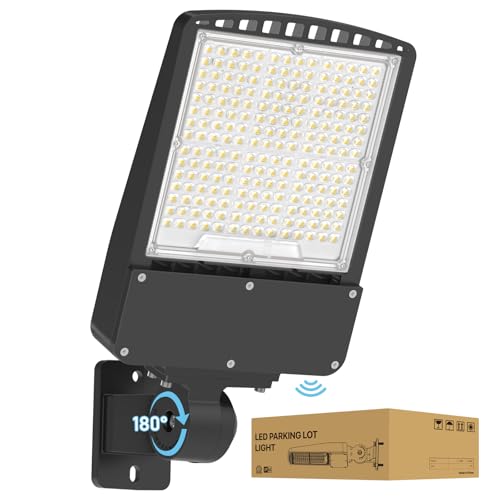
LED Parking Lot Lights Outdoor – 200W 30000lm UL Listed – 5000K Adjustable Wall Mount Parking Lot Light Pole Dusk to Dawn – 1-10V Dim Security lights for Yard Street Court Driveways Roadways Stadium
High Efficiency & Super Brightness – Powered by 𝙖𝙙𝙫𝙖𝙣𝙘𝙚𝙙 𝟐𝟎𝟐𝟓 𝙇𝙀𝘿 𝙘𝙝𝙞𝙥𝙨, Pvilub 200W parking lot lights commercial…
As an affiliate, we earn on qualifying purchases.
As an affiliate, we earn on qualifying purchases.
Conclusion
Navigating vanlife laws is like steering a boat through shifting currents—you need awareness and respect to stay afloat. By understanding parking, overnighting, and stealth camping rules, you’ll keep your journey smooth and stress-free. Think of these laws as the compass guiding you through uncharted waters, helping you find safe harbors instead of stormy seas. With knowledge and mindfulness, you’ll enjoy the open road without hitting legal rocks along the way.

FNARMW Camping Sleeping Pad, Extra Thick 5 Inch Camping Mat with Pillow Built-in Foot Pump Inflatable Sleeping Pads Compact for Camping Backpacking Hiking Traveling Tent(Green)
【5" EXTRA THICK CAMPING COMFORT】 Experience hotel-like comfort outdoors with our 5-inch thick sleeping pad – the ultimate…
As an affiliate, we earn on qualifying purchases.
As an affiliate, we earn on qualifying purchases.

Company Van Parking Only Sign, 10×14 Inches, Rust Free .040 Aluminum, Fade Resistant, Made in USA
Premium Aluminum Quality – Crafted from high-grade, rust-free aluminum to deliver a strong, professional-looking sign that resists wear,…
As an affiliate, we earn on qualifying purchases.
As an affiliate, we earn on qualifying purchases.