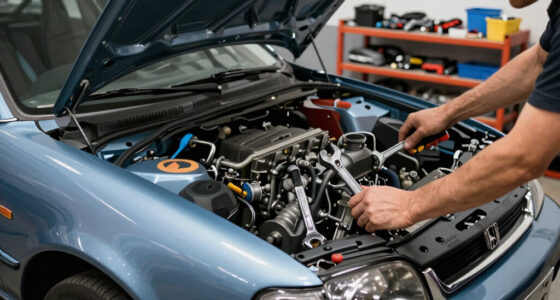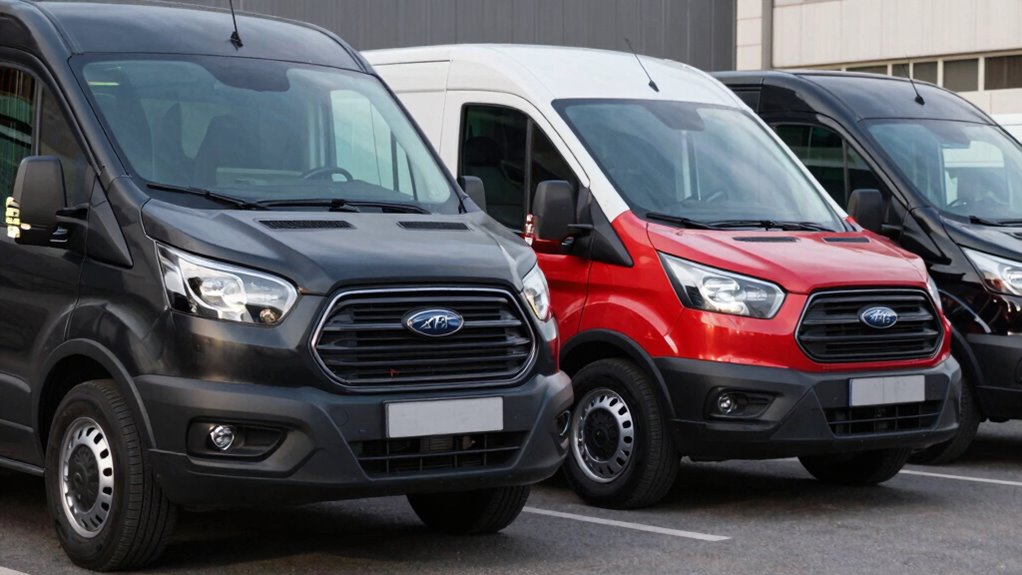

In modern transit vehicles, diesel engines offer high torque and durability, making them ideal for long-distance and heavy-duty routes, but they tend to produce more emissions and sometimes higher maintenance costs. EcoBoost engines use turbocharging and direct injection for a balanced mix of power, fuel efficiency, and lower emissions, making them well-suited for urban transit. To discover how these engine options match your needs and what future trends hold, continue exploring the details.
Listen free for 30 days with Audible
Thousands of audiobooks and originals — cancel anytime.
As an affiliate, we earn on qualifying purchases.
Key Takeaways
- Diesel engines offer high torque and durability, ideal for heavy-duty and long-distance transit routes.
- EcoBoost engines are smaller, lighter, and provide good fuel efficiency, suitable for urban transit and quick service.
- Diesel engines tend to have higher maintenance costs due to complex emission control systems, while EcoBoost engines are easier and cheaper to service.
- EcoBoost engines produce fewer particulate emissions, aligning better with modern environmental standards and sustainability goals.
- Advances in technology are narrowing performance and maintenance gaps, making both engine types viable options for various transit needs.
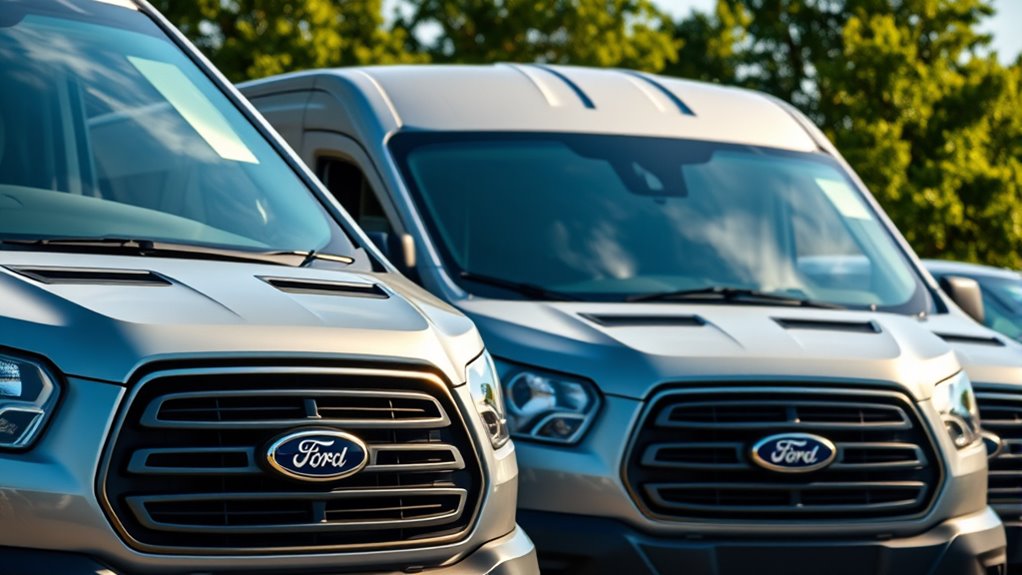
Modern transit systems rely on a diverse engine lineup to guarantee efficient and reliable service. When choosing between different engine types, fuel efficiency and maintenance costs are two of the most critical factors to consider. These elements not only influence operational expenses but also impact the overall sustainability of the transit service. Diesel engines have long been a staple in transit applications because they offer high torque output and durability, which are essential for heavy-duty use. They tend to have better fuel efficiency compared to older gasoline engines, especially over long distances, which can substantially reduce operational costs. However, diesel engines often come with higher maintenance costs due to their complex fuel systems and emission control devices. Over time, parts such as injectors, turbochargers, and filters may require more frequent repairs or replacements, adding to the upkeep expenses.
On the other hand, EcoBoost engines, developed by Ford, have gained popularity for their innovative use of turbocharging and direct fuel injection. These engines are designed to deliver a good balance of power and fuel economy, making them attractive options for modern transit systems aiming to reduce fuel consumption without sacrificing performance. EcoBoost engines generally have lower maintenance costs compared to traditional diesel engines because they are simpler to service and have fewer emissions-related components that require specialized repairs. They also tend to produce fewer particulate emissions, aligning with stricter environmental standards. Their smaller size and lighter weight can lead to reduced wear and tear on other vehicle components, further lowering maintenance expenses over the lifespan of the transit vehicle. Moreover, advancements in European cloud solutions are paving the way for smarter vehicle management and maintenance tracking, which can optimize engine performance and longevity. Additionally, the development of alternative fuels continues to influence engine technology choices in the transit sector, offering more options for sustainable operations.
When evaluating these engines, you need to weigh their respective benefits and drawbacks carefully. Diesel engines might be more suitable for routes with heavy loads and long distances, where their superior fuel efficiency and durability can be fully utilized despite the higher maintenance costs. Conversely, EcoBoost engines could be be ideal for urban transit routes that prioritize lower emissions, quicker service, and reduced servicing expenses. Additionally, advances in engine technology continue to narrow the gap between these options, meaning that future models may offer even better fuel efficiency and lower maintenance costs. Ultimately, your choice should align with your transit system’s specific operational needs, budget constraints, and environmental goals. Both diesel and EcoBoost engines have their place in modern transit, and understanding their strengths and limitations will help you make informed decisions that ensure reliable, cost-effective service.
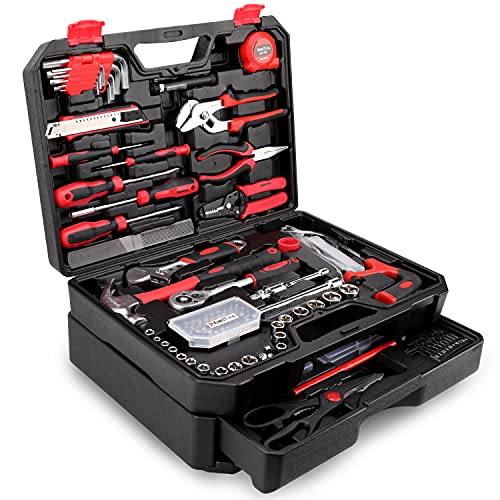
KingTool 325 Piece Home Repair Tool Kit, General Home/Auto Repair Tool Set, Toolbox Storage Case with Drawer, General Household Tool Kit - Perfect for Homeowner, Diyer, Handyman
- Includes 1-Drawer Storage Box: Enlarged capacity with organized compartments
- Durable High-Quality Materials: Steel construction with corrosion-resistant chrome finish
- Comfortable TPR Handles: Ergonomic grip for ease of use
As an affiliate, we earn on qualifying purchases.
Frequently Asked Questions
How Do Maintenance Costs Compare Between Diesel and Ecoboost Engines?
You’ll find that maintenance costs for diesel engines tend to be higher due to more expensive parts replacement and greater repair complexity. Diesel engines often require specialized tools and knowledge, which can increase labor costs. Ecoboost engines generally have lower maintenance expenses because they’re simpler to repair, with less costly parts replacement. However, routine maintenance is essential for both, so staying on top of service can reduce long-term costs.
Which Engine Type Offers Better Fuel Efficiency in City Driving?
For city driving, Ecoboost engines excel in fuel efficiency, offering better fuel savings and superior city mileage. You’ll notice that Ecoboost’s smaller, turbocharged setup delivers nimble, notable economy during stop-and-go traffic. Diesel engines, while powerful for long hauls, tend to consume more fuel in urban environments. So, if you’re after maximum mileage and money-saving city commuting, Ecoboost gives you the greater gain and greener glow.
Are There Any Environmental Regulations Affecting Diesel and Ecoboost Options?
Yes, environmental regulations impact both diesel and EcoBoost engines. You’ll find stricter emission standards and renewable regulations pushing automakers to develop cleaner options. Diesel engines face tighter emissions limits due to their higher NOx output, while EcoBoost engines are designed to reduce CO2 emissions with turbocharging and direct injection. These regulations encourage you to choose newer, more efficient engines that comply with evolving standards, helping you minimize your environmental impact.
How Do Towing Capacities Differ Between the Two Engine Types?
You’ll find that diesel engines generally offer higher towing capacities compared to Ecoboost options, thanks to their superior engine durability and torque. Diesel engines utilize advanced fuel injection systems that improve power delivery and efficiency under heavy loads. Ecoboost engines, while quicker and more fuel-efficient, may have slightly lower towing limits. Your choice depends on whether you prioritize maximum towing or a balance of performance and fuel savings.
What Are the Long-Term Reliability Differences Between Diesel and Ecoboost Engines?
You’ll find that diesel engines generally have better long-term durability, with studies showing they often last over 300,000 miles with proper maintenance. In contrast, Ecoboost engines tend to have higher repair frequency, especially around turbo components and direct injection parts. If longevity is your priority, diesel engines usually require fewer repairs over time, making them more reliable for heavy-duty use.
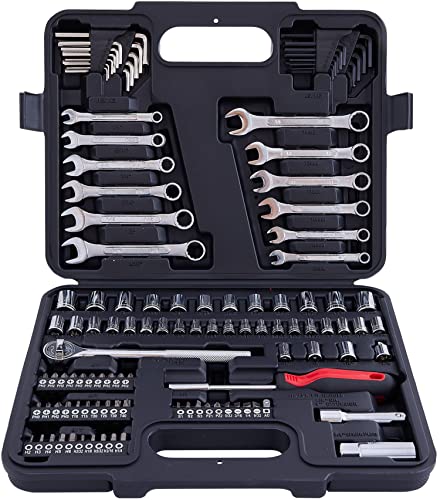
MECHMAX 121-Piece Mechanics Tool Set, 1/4 & 3/8-Inch Drive
- Complete 121-Piece Kit: Includes sockets, wrenches, bits, and more
- Versatile Socket & Wrench Set: Wide range of sizes for various tasks
- Specialized Spark Plug Socket: For engine maintenance and deep reach
As an affiliate, we earn on qualifying purchases.
Conclusion
Ultimately, choosing between diesel and EcoBoost depends on your needs. For instance, if you run a delivery business with long-haul routes, the diesel engine’s fuel efficiency can save you money over time. Conversely, if you prioritize quick acceleration and lower upfront costs, EcoBoost might suit you better. Consider your typical workload and driving habits—making an informed choice guarantees your Transit meets your demands efficiently and reliably.

Hi-Spec Metric Auto Mechanic Tool Set Motorcycle & Car Tool Kit Trucks
- All-in-One Automotive Tool Kit: Covers car, motorcycle, and RV repairs
- Efficient Socket Work: Includes 3/8" ratcheting wrench and metric sockets
- Durable Cr-V Steel Construction: Ensures long-lasting performance and strength
As an affiliate, we earn on qualifying purchases.
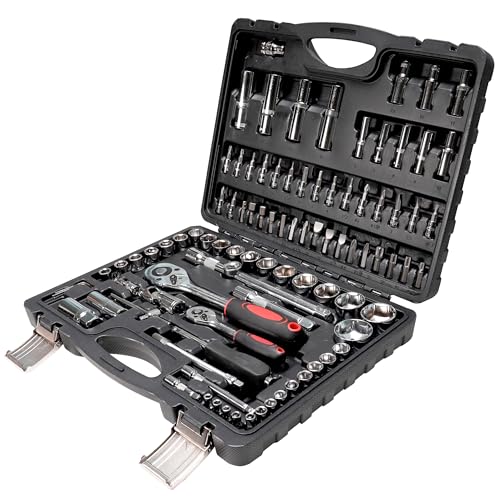
Socket Ratchet Wrench Set, 95PCS Socket Set, Mechanics Tool Set for Car
- Comprehensive 95-Piece Set: Includes sockets, bits, and drives for various tasks
- Durable CR-V Steel Construction: Heat-treated for maximum hardness and corrosion resistance
- Precision 72-Tooth Ratchet: Allows smooth operation in tight spaces
As an affiliate, we earn on qualifying purchases.
Pool season Picks
robotic pool cleaners
As an affiliate, we earn on qualifying purchases.