
If you own a Ford Transit made between 2014 and 2017, a recall warns about a faulty flexible driveshaft coupling that can crack and cause safety hazards like vibrations, noises, or even driveline separation. It’s important to have your vehicle inspected and repaired for free at an authorized dealer. Stay alert for signs like unusual noises or vibrations, and learn how to verify your recall status to guarantee your vehicle’s safety—more details ahead.
Listen free for 30 days with Audible
Thousands of audiobooks and originals — cancel anytime.
As an affiliate, we earn on qualifying purchases.
Key Takeaways
- Nearly 319,000 Ford Transit vans (2014-2017) with flexible driveshaft couplings are recalled due to cracking risks.
- Signs like noises, vibrations, or power loss indicate potential coupling failure requiring immediate inspection.
- Owners should verify recall status via VIN on NHTSA or manufacturer websites and contact authorized dealers.
- The recall offers free inspection and replacement of the flexible coupling, with a permanent fix involving a mechanical U-joint.
- Prompt repairs help prevent driveline separation, accidents, fires, and costly repairs, ensuring vehicle safety and compliance.
Ford Transit driveshaft flexible coupling replacement kit
As an affiliate, we earn on qualifying purchases.
As an affiliate, we earn on qualifying purchases.
Overview of the Recall and Affected Models
Have you heard about the recent recall affecting certain Ford Transit vans? Nearly 319,000 vehicles built between 2014 and 2017 are affected, primarily those assembled at the Kansas City plant. This recall includes 293,558 units in the U.S., 22,960 in Canada, and 2,744 in Mexico. It targets specific models with flexible driveshaft couplings prone to cracking, which can lead to driveline issues and safety risks. The affected vehicles cover multiple wheelbases—129, 140, and 148 inches—and only include models produced during that period. Importantly, later-model Transits, including the 2020 all-wheel-drive version, are not part of this recall. Ford has identified the recall under reference number 19S38 to address these specific models and manufacturing dates. Sustainable practices in manufacturing and vehicle safety standards are crucial for environmental and consumer well-being. Additionally, ongoing recalls highlight the importance of manufacturer vigilance and safety compliance to prevent potential hazards. Manufacturers are also working to improve product durability to prevent future issues related to component fatigue and failure.
driveshaft vibration repair tools for Ford Transit
As an affiliate, we earn on qualifying purchases.
As an affiliate, we earn on qualifying purchases.
Understanding the Flexible Driveshaft Coupling Issue

A flexible driveshaft coupling plays a vital role in transmitting torque from the transmission to the wheels while accommodating movement and misalignment in the drivetrain. It connects the transmission output shaft to the driveshaft, allowing torque transfer even when angles or lengths change due to bumps or turns. Made from durable rubber or elastomeric materials bonded to metal flanges, it absorbs vibrations and shocks to reduce noise and stress on drivetrain components. The coupling is designed to flex slightly, handling angular, parallel, and axial misalignments while maintaining power flow. Over time, exposure to harsh conditions or improper installation can cause deterioration, cracks, or wear. Understanding these functions and failure modes helps you recognize when the coupling might be compromised, affecting vehicle performance. Couplings also help prevent damage to other drivetrain parts by absorbing sudden shocks and vibrations, ensuring smoother operation. Regular inspections and proper maintenance of drivetrain components can extend the lifespan of the coupling and prevent costly repairs. Recognizing signs of deterioration early can help avoid expensive repairs and maintain optimal vehicle performance. Additionally, advancements in drivetrain technology have improved the durability and efficiency of these couplings, making maintenance more straightforward.
vehicle driveshaft inspection mirror
As an affiliate, we earn on qualifying purchases.
As an affiliate, we earn on qualifying purchases.
Potential Safety Risks and Warning Signs

If you notice unusual driveline vibrations, it could be a sign that your flexible coupling is failing. You might also hear clunking noises when you drive or shift gears, which indicates potential issues. Losing power unexpectedly while driving is a serious warning that your driveshaft might be separating, increasing the risk of an accident. Additionally, the cracking of the driveshaft flexible coupling over mileage can lead to further damage, including potential separation of the driveshaft. Regular vehicle maintenance and inspections can help identify early signs of wear before a failure occurs. Being aware of signs of spoilage in related vehicle components can also be beneficial for overall safety.
Unusual Driveline Vibrations
Unusual driveline vibrations often signal underlying issues with your vehicle’s flexible coupling or other drivetrain components. These vibrations can stem from cracked or deteriorated flex discs, worn U-joints, or imbalanced shaft components, leading to rough, uneven rotation. Worn bushings and bearings supporting the driveshaft also contribute to vibrations and rattling sounds. Operating within the driveshaft’s critical resonance range can amplify these issues, increasing the risk of damage. Excessive vibrations aren’t just uncomfortable—they pose safety risks. They can accelerate wear on drivetrain parts, cause sudden mechanical failures, or lead to partial driveshaft separation. Regular inspections can help detect early signs of flex disc wear and prevent further damage. Additionally, the presence of AI-driven diagnostics can improve early detection and maintenance planning for driveline components. Incorporating automated monitoring systems can further enhance safety by providing real-time alerts for abnormal vibrations. Implementing vibration analysis techniques can also aid in identifying the precise source of issues before they escalate. Warning signs include strong vibrations felt through the floor or steering wheel, hesitation during acceleration, and audible rattling underneath. Ignoring these symptoms can result in costly repairs and dangerous driving conditions.
Audible Clunking Noises
Audible clunking noises from your driveshaft are clear warning signs that something is wrong with the flexible coupling. These sounds often come from cracks or failures in the coupling and tend to get louder or more frequent as the issue worsens. You might notice the clunking during acceleration or shifting gears. Persistent noises indicate imminent failure, increasing the risk of driveshaft separation, which can lead to sudden loss of power or unintended vehicle movement. This can cause secondary damage to brake or fuel lines and pose serious safety hazards, including crashes or fires. If you hear clunking, it’s vital to have your vehicle inspected immediately. Early detection and repair can prevent catastrophic failures and keep you safe on the road. Recall efforts also emphasize the importance of addressing these warning signs promptly to avoid more severe consequences. Recognizing signs of failure early can help prevent costly repairs and dangerous situations. Additionally, understanding the Vetted – Grobal World insights can aid in identifying potential issues before they escalate, especially considering recent cybersecurity vulnerabilities that can affect modern vehicle systems.
Loss of Power
Loss of power caused by a faulty driveshaft flexible coupling can substantially impact your vehicle’s safety and drivability. You might notice your car jerking or hesitating during acceleration, especially from a stop. As the coupling wears or damages, power transmission becomes inconsistent, leading to:
- Hesitation or jerking when you press the gas pedal
- Reduced or uneven acceleration, making it hard to maintain speed
- Vibrations felt through the steering wheel or floorboard
- Lag in engine response or rough power delivery
These issues can increase the risk of loss of control, especially on busy roads or highways. Sudden power loss might cause dangerous situations or mask underlying mechanical failures, risking both safety and further damage. Recognizing these signs early can help prevent accidents.
recall verification VIN scanner for Ford Transit
As an affiliate, we earn on qualifying purchases.
As an affiliate, we earn on qualifying purchases.
Steps Ford Takes to Address the Problem
Ford takes a structured approach to address the driveshaft flexible coupling defect by first identifying affected vehicles and notifying owners through official mail. They have pinpointed approximately 319,000 Transit vans built between January 17, 2014, and June 15, 2017. Once notified, owners are encouraged to visit their Ford dealership, where the VIN is used to verify eligibility for the recall. To manage the issue promptly, Ford has implemented an interim repair program that involves inspecting and replacing the coupling every 40,000 miles if needed, free of charge. They have also developed a permanent fix using a mechanical U-joint to replace the flexible coupling, aiming to eliminate recurring repairs. Ford’s coordinated efforts prioritize safety, ensuring owners receive timely repairs and reducing the risk of driveline failure. Additionally, Ford emphasizes the importance of vetted safety measures to maintain vehicle reliability and owner confidence. Incorporating comprehensive recall procedures helps Ford address these issues efficiently and maintains customer trust. The company also emphasizes the importance of thorough inspection and maintenance to prevent further issues.
How Owners Can Verify Their Vehicle’s Recall Status

You can verify your vehicle’s recall status by using the VIN lookup process on official websites like NHTSA or the manufacturer’s site. Next, visit your dealership to confirm if your vehicle is affected and to schedule any necessary repairs. Remember to stay updated, as recall information can change, so regular checks are essential. Recall and safety information can provide additional insights into your car’s past issues that might be related to recalls. Additionally, understanding vehicle safety recalls can help you stay informed about potential risks and necessary actions. Regularly reviewing projector technology updates can also be beneficial for maintaining optimal vehicle safety features.
VIN Lookup Process
Wondering how to quickly verify if your vehicle is part of a recall? First, locate your VIN, which is usually found on the lower left corner of your windshield, inside the driver’s door jamb, or on your registration or insurance card. Next, follow these steps:
- Visit the NHTSA or Safercar.gov website.
- Enter your 17-character VIN accurately into the search tool.
- Review the results for recall statuses like “Open Recall” or “No Open Recall.”
- Check details about any defects and recommended actions.
- Ensure you record your findings for future reference. Regularly checking your VIN helps you stay proactive about safety recalls, especially for issues like driveshaft flexible couplings. Accurate VIN entry and review are key to staying informed.
Dealership Verification Steps
To verify your vehicle’s recall status at a dealership, start by contacting your local service center and providing your vehicle’s VIN. The dealership will use the VIN and manufacturer recall databases to confirm if your vehicle is affected by the recall. They may also check online tools like NHTSA’s recall database or CheckToProtect.org for real-time updates. Be prepared to show your vehicle registration or license plate, and bring your recall notice if available. Once the recall is verified, the dealership will schedule repairs at no cost to you, updating the recall status in national records. They’ll also inform you of the expected repair timeline and provide any interim safety advice if parts are unavailable. Recall verification processes ensure that your vehicle’s safety status is accurately maintained and up-to-date. Additionally, federal safety regulations require manufacturers and dealerships to prioritize recall repairs to protect vehicle owners and passengers. Keep all documentation for your records.
Reminder for Updates
Regularly verifying your vehicle’s recall status guarantees ongoing safety and helps catch any new recalls that may be issued after your last check. To stay informed, consider these steps:
- Use your vehicle’s VIN, found on the windshield, door jamb, registration, or insurance card, to search official databases.
- Visit the NHTSA site or SaferCar.gov for free recall information using your VIN.
- Check CheckToProtect.org by entering your VIN or license plate and state to view recall status.
- Utilize state DMV tools linked to NHTSA databases for quick recall checks.
Repair Procedures and Parts Availability
Repair procedures for the driveshaft flexible coupling recall must be followed strictly according to the Driveshaft Flexible Coupling Removal and Installation Workshop Manual (WSM) in Section 205-01. Begin by removing the driveshaft and flexible coupling using specified tools like a 3/8″ drive ratchet and sockets. Until final parts are available, dealers perform interim repairs, replacing the flexible coupling approximately every 40,000 miles to prevent driveline separation and reduce vibrations. Final repairs involve installing a driveshaft front section with mechanical U-joints. Parts are staged and distributed to dealerships as they become available. Proper parts ordering and scheduling are essential to avoid rental car needs. Only certain components are covered, and refunds are limited to repairs directly related to the recall. Never attempt self-repair—leave it to qualified technicians.
Recommendations for Vehicle Owners During the Recall Process

Knowing the scope and potential impact of the driveshaft flexible coupling recall helps you stay prepared during the repair process. First, contact an authorized Ford dealership promptly once you receive your recall notice to schedule your appointment. Second, make sure the dealer orders the necessary parts, including couplings, in advance to reduce wait times. Third, understand your vehicle’s wheelbase and driveshaft configuration, as some repairs require spacers or shims based on length. Fourth, keep all recall notices and service records for future reimbursement claims. During repairs, avoid driving if you notice vibrations or unusual noises, and report them immediately. Follow the dealer’s instructions carefully, and don’t attempt self-repairs—professional service is essential for your safety. Additionally, new tools introduced and features can help expedite the repair process and ensure proper installation of components.
Broader Implications for Commercial Vehicle Safety
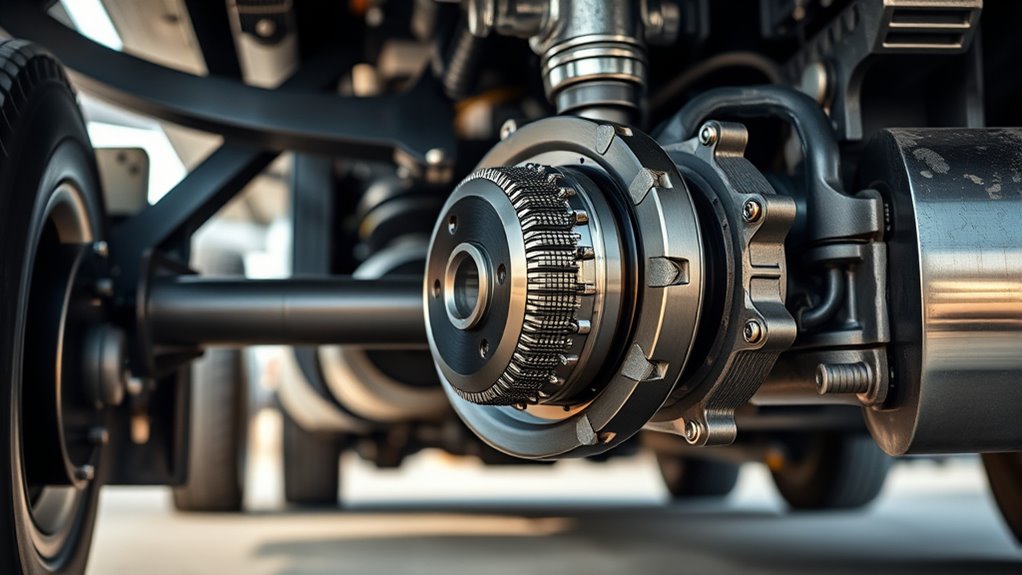
The safety and stability of commercial vehicles are directly impacted by the condition of their driveshaft flexible couplings, which play a critical role in maintaining proper driveline function. When these couplings crack or fail, you risk sudden loss of motive power, causing abrupt stops or an inability to accelerate, which can lead to accidents. If the vehicle is parked without the parking brake, a separation could cause unintended movement, creating rollaway hazards. Deterioration also produces driveline noise and vibrations, affecting handling and increasing driver fatigue. Regular inspections are essential, especially for high-mileage fleets, to catch issues early. Ignoring recalls or delaying repairs can escalate risks, impact regulatory compliance, and compromise overall fleet safety, emphasizing the need for proactive maintenance and safety culture within commercial operations. Explosion proof flex couplings are designed to prevent catastrophic incidents in hazardous environments, further underscoring the importance of maintaining all components in optimal condition.
Frequently Asked Questions
How Long Will the Permanent Repair Parts Be Available?
The permanent repair parts will be available indefinitely, as Ford hasn’t specified an expiration date. You can expect ongoing support through authorized dealers, who will continue installing the universal joint replacements. Ford’s focus is to maintain parts supply for affected vehicles, so you shouldn’t worry about shortages. Just schedule your repair promptly to avoid prolonged use of interim fixes, and rest assured that parts will remain accessible for the foreseeable future.
Are There Any Specific Driving Restrictions During the Recall Process?
Think of your vehicle like a delicate tightrope walk—balance is key. During the recall, you’re advised to limit driving once your vehicle hits 30,000 miles, mainly to reach a dealer safely. Avoid unnecessary trips, especially beyond this mileage, as cracks could cause dangerous driveshaft separation. Schedule repairs promptly, listen for driveline noises, and prioritize safety over convenience to keep your journey steady and secure.
Can the Driveshaft Issue Affect Vehicle Resale Value?
Yes, the driveshaft issue can lower your vehicle’s resale value. If the recall isn’t completed or documented, buyers see it as a safety risk, reducing demand and offering lower prices. Fully repaired vehicles with proof of the fix tend to sell better, but unresolved recalls or multiple repairs can still hurt resale prospects. To protect your vehicle’s value, verify all recall work is completed and well-documented before selling.
What Should Owners Do if They Notice Driveline Vibrations?
If you notice driveline vibrations, don’t ignore them—they’re like warning bells ringing loudly. Stop driving immediately if you’ve traveled over 40,000 miles and get your vehicle inspected at an authorized dealer. Schedule a repair as soon as possible to prevent further damage or safety risks. Avoid DIY fixes and report the issue promptly. Acting quickly keeps your ride smooth and safe, preventing problems from spiraling out of control.
Will Ford Provide a Loaner Vehicle During Repairs?
Ford hasn’t officially guaranteed loaner vehicles during your repairs, but some dealerships might offer them. You should ask your local dealer directly about availability, as policies vary by location. Keep in mind, repairs can take time due to parts backorders, and interim fixes might be necessary. To avoid inconvenience, contact your dealer early to discuss your options and see if a loaner can be arranged during the repair process.
Conclusion
Stay proactive and stay safe—think of this recall like a precautionary warning light on your dashboard. By staying informed and acting promptly, you can prevent potential dangers before they turn into serious problems. Just as a small spark can ignite a wildfire, ignoring recall notices can lead to bigger issues down the road. Keep in touch with your dealer, verify your vehicle’s status, and make certain your driveshaft remains a reliable part of your journey.
Flea & tick season Picks
flea and tick prevention
As an affiliate, we earn on qualifying purchases.