Demand charges increase fleet charging costs by charging you based on your highest power use during a billing period, not your total energy. When multiple vehicles charge at once or during peak hours, your demand spikes, leading to higher fees. To save money, you should stagger charging times, use load management systems, and choose off-peak hours. If you want to learn how to effectively reduce these charges, you’ll find useful tips if you keep exploring.
Open a free Amazon Business account
Business pricing, bulk buying and tax-exempt orders.
As an affiliate, we earn on qualifying purchases.
Key Takeaways
- Demand charges are fees based on the highest power draw (kW) during a billing period, not total energy consumed.
- Simultaneous charging of multiple vehicles during peak times causes demand spikes, increasing costs.
- Managing demand involves staggering charging times and using load management systems to reduce peak usage.
- Analyzing utility billing structures helps identify peak demand periods and develop cost-saving strategies.
- Participating in demand response programs and using energy management tools can further optimize fleet charging costs.

Demand charges are fees that utility companies impose based on your highest rate of electricity use during a billing period, typically measured in kilowatts (kW). Unlike straightforward energy charges, which are based on the total amount of electricity consumed, demand charges reflect how much power you draw at peak times. This means that even if your fleet’s total energy consumption remains steady, a few instances of high power demand can spike your costs considerably.
Demand charges are based on your peak electricity use, not total consumption, affecting overall fleet charging costs.
When you charge multiple vehicles at the same time, especially during peak hours, your demand can surge sharply. Utilities often set a demand threshold, and if your fleet exceeds this limit, you’re billed for the highest demand recorded during the billing cycle. This peak demand can occur unexpectedly, such as when several vehicles are plugged in simultaneously or if charging stations are used during high-demand periods.
To manage these costs, you need to be strategic about when and how your vehicles charge. For example, staggering charging sessions or scheduling them during off-peak hours can help reduce your peak demand. Additionally, spreading out the charging load across multiple chargers or installing load management systems allows you to control the timing and rate of charging, preventing sudden spikes.
Understanding your utility’s specific demand charge structure is essential. Some utilities have high demand charges but low energy rates, while others may have the opposite. By analyzing your usage patterns and the utility’s billing details, you can identify when your demand peaks occur and develop strategies to flatten those peaks.
Investing in smart chargers or energy management software can give you real-time control over charging schedules, helping you avoid exceeding demand thresholds. Moreover, some utilities offer demand response programs, where they incentivize you to reduce demand during peak periods in exchange for lower rates or rebates.
Additionally, implementing demand response strategies can further optimize your energy usage and costs. Ultimately, controlling demand charges requires proactive planning and monitoring. As your fleet grows and charging becomes more frequent, these costs can add up quickly if left unmanaged. Being aware of how demand charges work, and implementing measures to keep your peak demand low, will help you optimize your fleet’s charging costs.
This approach not only saves money but also enhances your ability to operate efficiently and sustainably in the evolving electric vehicle landscape.

AIMILER Level 2 Electric Vehicle (EV) Charger(WIFI APP/Plug-play), 32A, 25ft Cable ETL Certified, 220V-240V NEMA 14-50P Plug EVSE w/ J1772 Connector, Portable EV Car Charging Stations for Home Level 2
- Power Plug Compatibility: 240V Nema 14-50 plug included
- J1772 Connector Compatibility: Compatible with North American EVs/PHEVs
- Fast Charging Capability: Up to 7.68kWh with adjustable amperage
As an affiliate, we earn on qualifying purchases.
As an affiliate, we earn on qualifying purchases.
Frequently Asked Questions
How Can Fleet Operators Reduce Demand Charges Effectively?
You can reduce demand charges by staggering your fleet’s charging times to avoid peak periods, scheduling charging during off-peak hours, and implementing smart charging solutions that optimize energy use.
Additionally, spreading out vehicle charging loads and investing in energy storage systems can help flatten demand peaks.
Regularly monitoring your energy consumption enables you to adjust your strategies proactively, ensuring you minimize costly demand charges effectively.
Do Demand Charges Vary by Location or Utility Provider?
Demand charges do vary by location and utility provider, much like different neighborhoods have distinct weather patterns. For example, in some areas, peak demand periods hit in the afternoon, while in others, mornings are busier.
This variability affects how you should plan your fleet charging schedules. Knowing your local utility’s rate structure helps you avoid costly peaks, just as a seasoned traveler learns to navigate regional weather for a smoother journey.
What Smart Charging Strategies Help Manage Demand Charges?
You can manage demand charges by implementing smart charging strategies like scheduling charging during off-peak hours, leveraging vehicle-to-grid technology, and using real-time data to optimize charging times.
Setting charging limits and integrating automation helps prevent peak demand spikes. Monitoring energy usage closely allows you to adjust charging patterns proactively, reducing costs.
These strategies guarantee your fleet charges efficiently without incurring excessive demand charges.
Are There Financial Incentives for Reducing Demand Charges?
Yes, there are financial incentives available for reducing demand charges, which can be a real win-win. You might qualify for utility rebates, tax credits, or special rate programs designed to encourage energy efficiency. These incentives act like a safety net, helping you cut costs while managing your fleet’s charging needs.
How Do Demand Charges Impact Overall Fleet Operational Costs?
Demand charges substantially impact your fleet’s overall operational costs because they’re based on your highest power usage during peak times. When your fleet draws a lot of energy simultaneously, your bills increase, making charging more expensive.
To control costs, you should plan charging schedules carefully, spread out vehicle charging, and consider smart charging solutions. By managing demand effectively, you can lower your energy expenses and improve fleet efficiency.

EMPORIA Pro Level 2 EV Charger with PowerSmart – 48 amp Fast EV Charger for Home with NEMA 14-50 and J1772 Connector – 240v Electric Vehicle Charging Station and 25' EV Charging Cable
- Fast Charging Without Upgrades: Maximize charging speed with PowerSmart technology
- Smarter Charging Control: Automate schedules and track usage via app
- Flexible Home Setup: NEMA 14-50 plug or hardwired installation options
As an affiliate, we earn on qualifying purchases.
As an affiliate, we earn on qualifying purchases.
Conclusion
By mastering demand charges, you minimize costs and maximize efficiency. Recognize the vital connections between consumption and charges, and take control of your fleet’s future. Don’t drown in the details—drive decisions with diligence, discipline, and data. Demand charges demand your attention, so don’t delay. With awareness and action, you’ll avoid avoidable expenses and accelerate your fleet’s success. Stay sharp, stay strategic, and steer your fleet toward savings and sustainability.

EV Charging Infrastructure Design: NEC 2026 Compliance, Load Management, and Fleet Charging Solutions (Electric Vehicle & Battery Engineering Series)
As an affiliate, we earn on qualifying purchases.
As an affiliate, we earn on qualifying purchases.
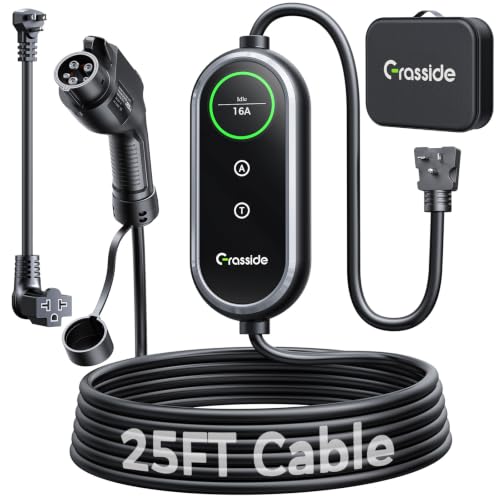
Grasside 2026 New Level 1&2 EV Charger, 8-16Amp, 25FT Cord, J1772 EV/PHEVs
- Universal J1772 Compatibility: Works with most J1772 EVs and PHEVs
- Versatile Outlet Support: Includes NEMA 6-20 plug and adapter
- Level 1 & 2 Charging: Supports 8-12A and 16A charging levels
As an affiliate, we earn on qualifying purchases.
As an affiliate, we earn on qualifying purchases.
College move-in / dorm season Picks
dorm essentials
As an affiliate, we earn on qualifying purchases.