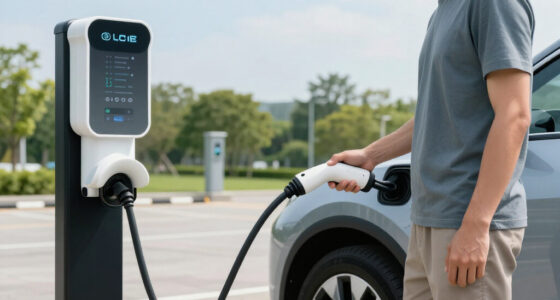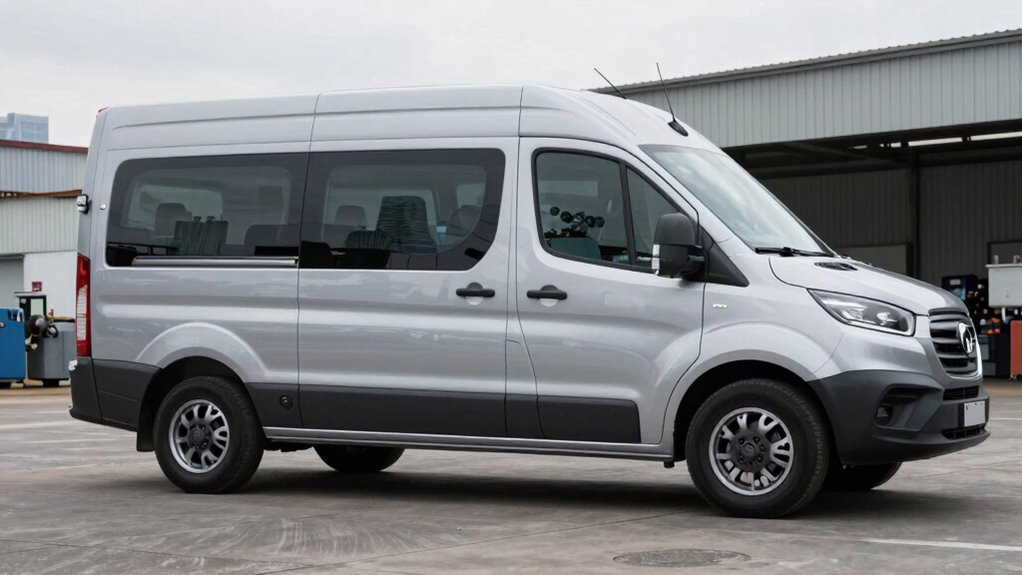

You need to reset your expectations about the Ford E-Transit because it’s different from traditional vans. It requires careful planning around charging times and infrastructure, which can vary by location. Charging stops and longer breaks might be necessary, especially without ample nearby stations. The vehicle’s higher upfront cost and specific maintenance also demand a different mindset. If you’re willing to adapt your routine and expectations, you’ll find electric van ownership more manageable. Keep going to discover how to make it work seamlessly for your needs.

Get garage and car supplies delivered free — and shop member deals
- Fast, free delivery on millions of items
- Access to Prime Big Deal Days deals on October 6–7
- Prime Video, Amazon Music and more included
Key Takeaways
- Many buyers expect electric vans to match traditional vans’ quick refueling, overlooking longer charging times.
- Some assume charging infrastructure is widespread and reliable, ignoring regional limitations and planning needs.
- Buyers often underestimate the initial cost and overestimate immediate savings, missing long-term financial benefits.
- Expecting no change in daily routines disregards the necessity of planning around vehicle charging and availability.
- New electric van owners may not fully understand maintenance differences, leading to underpreparedness for specific care needs.
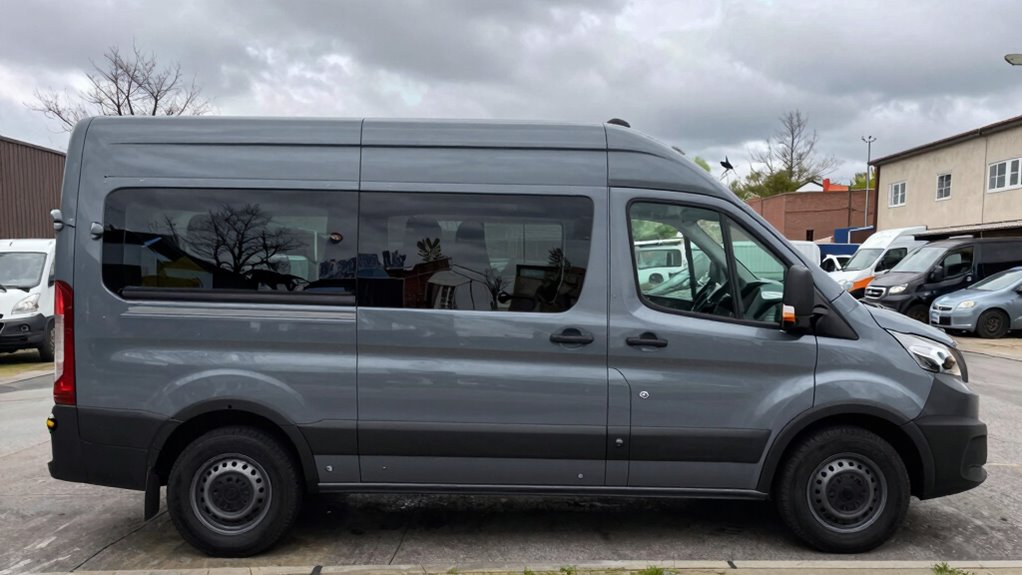
Many buyers jump into the electric van market expecting the Ford E-Transit to instantly match their traditional cargo van experiences, but that mindset needs a reset. While the E-Transit offers impressive features and efficiency, it’s important to understand that electric vehicles operate differently, especially when it comes to charging infrastructure and vehicle affordability. Relying solely on familiar routines can leave you frustrated if you don’t adjust expectations and plan accordingly.
Adjust expectations: electric vans like the Ford E-Transit operate differently, requiring planning around charging and affordability.
When considering an electric van like the E-Transit, you need to think about the charging infrastructure. Unlike gasoline stations, charging stations are still expanding, and their availability varies widely depending on your location. If your daily routes take you through areas with limited charging options, you might find it challenging to keep your vehicle ready for work. Planning your charging stops becomes a vital part of your daily operations. Installing a Level 2 charger at your business can help, but even then, charging times differ markedly from a quick fill-up at a gas station. You may need to schedule longer breaks or overnight charging to guarantee your vehicle is ready each morning, which is a shift from the quick refills you’re used to with traditional vans.
Understanding charging infrastructure and how it impacts your daily routine is essential for a smooth transition. Vehicle affordability is another important factor that many overlook. The initial purchase price of the E-Transit can be higher than comparable diesel or gasoline models. However, the total cost of ownership often balances out over time due to lower fuel and maintenance costs. Still, the upfront investment can be a barrier, especially for small businesses or fleet operators working within tight budgets. Incentives and tax credits can help offset some costs, but you should carefully evaluate whether the vehicle’s price aligns with your financial plan. Thinking of the E-Transit solely as a replacement for your existing cargo van without considering these costs can lead to disappointment. Understanding electric vehicle costs and benefits is crucial for making an informed decision. Additionally, familiarity with electric vehicle operations can help you better adapt to the unique demands of electric mobility. Gaining insight into electric vehicle maintenance can also prepare you for the specific care these vehicles require. Moreover, staying informed about Indian currency and number formatting tools can assist in managing financial planning and budgeting for such investments more effectively.
Ultimately, adjusting your expectations is key to making the most of the E-Transit. It’s a different kind of workhorse—one that requires planning around charging infrastructure and understanding vehicle affordability. If you approach it with an open mind and do your homework, you’ll find it can become a reliable, cost-effective part of your fleet. But expecting it to perform exactly like a traditional van without considering these factors might leave you feeling let down. Embrace the differences, and you’ll see how the E-Transit can help you transition smoothly into electric mobility.
Frequently Asked Questions
How Does the E-Transit Compare to Traditional Gas-Powered Vans?
You’ll find the E-Transit offers significant advantages over traditional gas-powered vans, especially in interior comfort and reduced emissions. Its electric motor provides a smooth, quiet ride, and the spacious interior enhances driver and cargo comfort. However, charging infrastructure is still developing, so planning for charging stops is essential. Overall, it’s a smart choice for eco-conscious buyers who prioritize comfort and are willing to adapt to charging needs.
What Are the Long-Term Maintenance Costs for the E-Transit?
You’ll likely find that long-term maintenance costs for the E-Transit are lower than traditional vans, mainly because of fewer moving parts and less engine wear. However, you should consider battery degradation over time, which might require replacement or repairs. Additionally, investing in a reliable charging infrastructure is essential to keep your van running smoothly, reducing unexpected costs and ensuring consistent service.
Are There Any Government Incentives for Purchasing the E-Transit?
You can often score government rebates when purchasing the E-Transit, making it a smart move. These incentives typically cover part of the vehicle’s cost, easing your budget. Plus, some programs include support for charging infrastructure, helping you set up at home or business. While it’s not a free ride, these perks make the switch to electric more feasible, so don’t miss out—every little bit helps!
How Reliable Is the E-Transit in Extreme Weather Conditions?
The E-Transit generally performs well in extreme weather, but battery performance can dip in very cold or hot conditions. Ford has improved climate resilience with features like thermal management systems, helping maintain consistent battery efficiency. Still, you should plan for potential range reduction during severe weather, and consider additional measures like pre-conditioning your vehicle. Overall, with proper care, the E-Transit remains a reliable option even in challenging climates.
What Is the Expected Lifespan of the E-Transit’s Battery?
Imagine your E-Transit’s battery as a sturdy river that slowly weathers with time. Typically, it lasts around 8-10 years, but battery degradation can make it feel like that river’s flow is thinning. Your vehicle’s lifespan depends on proper maintenance and access to reliable charging infrastructure. With good care, you’ll enjoy years of smooth sailing, knowing that the battery’s resilience will keep your journeys steady and dependable.
Conclusion
If you’re expecting the E-Transit to be perfect right out of the gate, you might be setting yourself up for disappointment. Remember, even the most revolutionary vehicles have growing pains. Adjust your expectations, embrace the learning curve, and give it time to evolve. This isn’t just a new vehicle; it’s a game-changer that will reshape how you work. Be patient—because in the long run, the E-Transit’s potential will blow your mind.
Fall Picks
fall essentials
As an affiliate, we earn on qualifying purchases.