To make fleet EV use easier, you should schedule charging during off-peak hours, like late night or early morning, to reduce costs and avoid grid strain. Aligning charging times with your vehicles’ downtime ensures they’re ready when needed without causing delays. Using smart charging systems helps optimize this process further, balancing battery health and operational needs. Keep exploring for more tips on creating an effective charging routine that boosts efficiency and longevity.

Get business pricing on garage and car supplies
- Business-only prices and quantity discounts
- Tax-exempt purchasing
- Multiple users, one account, clear invoices
Key Takeaways
- Schedule charging during off-peak hours to reduce costs and minimize grid demand impact.
- Align charging windows with vehicle idle times to ensure readiness and optimize operational efficiency.
- Use predictive analytics to identify ideal charging periods based on fleet usage patterns.
- Install fast chargers at strategic locations to enable quick top-ups during short downtime.
- Implement smart charging systems that adapt to electricity rates and grid conditions for cost savings.

Have you ever wondered when the best time is to charge your fleet’s electric vehicles? The timing of charging isn’t just about plugging in when the battery runs low; it’s about enhancing your entire operation. Properly managing your charging window ensures your vehicles stay on the road without unnecessary downtime or battery wear. To do this effectively, you need to take into account your battery management strategies alongside a well-designed charging infrastructure.
Optimizing charging times boosts fleet efficiency, extends battery life, and supports sustainable, cost-effective operations.
Battery management plays a vital role in determining the best charging window. Modern EV batteries are sensitive to charging habits, and charging at the right times can extend their lifespan. For example, avoiding frequent deep discharges and not charging to 100% unless necessary can preserve battery health. By monitoring battery status closely, you can plan charging sessions during most advantageous times—such as when the vehicles are parked for longer periods—reducing strain on the batteries and maintaining their efficiency over time. Understanding battery health is essential for optimizing your charging routines. Additionally, implementing predictive analytics can help anticipate the optimal charging periods based on usage patterns and battery conditions.
Equally important is the charging infrastructure you have in place. A robust, strategically located charging network allows you to take advantage of off-peak hours—often late at night or early morning—when electricity rates are lower. Installing fast chargers at key depots or along routes can also help you quickly top up vehicles during short stops, minimizing downtime. The goal is to create a charging schedule that aligns with your fleet’s operational patterns, ensuring vehicles are ready when needed without unnecessary delays.
Timing your charging window wisely can also help balance grid demand and reduce costs. Charging during off-peak hours not only saves money but also lessens the load on local power grids. When your charging infrastructure is adaptable enough to accommodate scheduled charging, you can better coordinate your fleet’s needs with grid capacity, promoting both sustainability and cost-efficiency. Additionally, smart charging systems can automatically adjust charging times based on electricity prices and grid conditions, making the process even more seamless. Incorporating battery management strategies into your planning helps optimize both vehicle performance and lifespan. By integrating these systems with your overall energy management, you can further enhance operational efficiency.
Ultimately, the key is to develop a routine that fits your fleet’s daily operations while taking into account battery management and infrastructure capabilities. By strategically choosing when to charge—preferably during off-peak hours or when vehicles are idle—you maximize battery life, reduce costs, and keep your fleet running smoothly. With the right approach, managing your EV fleet becomes less of a logistical challenge and more of a streamlined process that supports your business’s growth and sustainability goals.
Products Worth Considering

DEWALT 20V MAX 1/4-Inch Impact Driver Kit with Battery and Charger (DCF787D1)
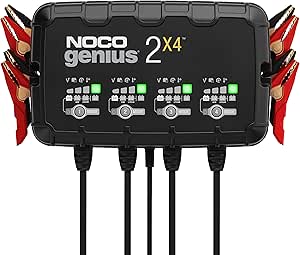
NOCO GENIUS2X4 6V/12V Four-Bank Battery Charger and Maintainer

Nextbase iQ 4K Smart HD Dash Cam Pro with 64GB microSD Card – Front and Rear View, 1440p, Smart Sense Parking, Emergency SOS, Roadwatch AI
As an affiliate, we earn on qualifying purchases.
Frequently Asked Questions
How Do Charging Windows Impact Overall Fleet Vehicle Maintenance Costs?
Charging windows greatly impact your fleet’s maintenance costs by maximizing battery longevity and reducing strain on charging infrastructure. When you schedule charging during ideal windows, you prevent overcharging and battery degradation, lowering replacement costs. Properly managed charging also minimizes wear on your charging infrastructure, decreasing repair and replacement expenses. By understanding and utilizing effective charging windows, you keep your fleet running smoothly, saving money and extending the lifespan of your electric vehicles.
Are There Specific Industries That Benefit Most From Optimized Charging Windows?
Like a well-conducted orchestra, certain industries benefit most from optimized charging windows. Delivery services and logistics companies, for example, rely heavily on industry-specific charging and operational scheduling to guarantee vehicles are ready when needed. These industries can reduce downtime and costs by aligning charging times with operational demands, maximizing efficiency. Implementing smart charging strategies helps streamline fleet management, making sure your vehicles are always prepared without unnecessary delays.
What Technology Is Needed to Implement Effective Charging Windows?
You need smart scheduling technology and advanced battery management systems to implement effective charging windows. Smart scheduling optimizes charging times based on fleet usage patterns, guaranteeing vehicles charge during off-peak energy hours. Battery management systems monitor battery health, prevent overcharging, and extend battery life. Together, these technologies enable you to set precise charging windows, reduce costs, improve fleet efficiency, and assure your electric vehicles are always ready when you need them.
How Do Charging Windows Affect Fleet Vehicle Resale Value?
A stitch in time saves nine, and proper charging windows can substantially boost your fleet vehicle resale value. By optimizing charging scheduling, you preserve battery longevity, preventing premature wear. When you manage charging times efficiently, your EVs stay in better condition longer, appealing to buyers. This proactive approach keeps your fleet assets more attractive, ensuring you get top dollar when it’s time to sell.
Can Flexible Charging Windows Accommodate Sudden or Urgent Vehicle Needs?
Yes, flexible charging windows can accommodate urgent needs effectively. When you prioritize charging flexibility, you can quickly respond to sudden vehicle requirements without disrupting your fleet’s schedule. This adaptability guarantees that your fleet remains operational, even in unexpected situations. By implementing flexible charging options, you gain the ability to charge vehicles whenever necessary, helping you meet urgent needs promptly and maintain high fleet efficiency without compromising on vehicle availability.
Conclusion
By optimizing your charging window, you simplify your fleet’s EV management, reduce downtime, and boost efficiency. You plan your routes, you schedule your charges, you maximize your fleet’s potential. You stay ahead of the curve, you embrace the future, you lead the charge toward sustainability. When you prioritize the right charging window, you streamline operations, save costs, and empower your team. You make EV adoption easier—because smart scheduling isn’t just a choice; it’s your competitive edge.