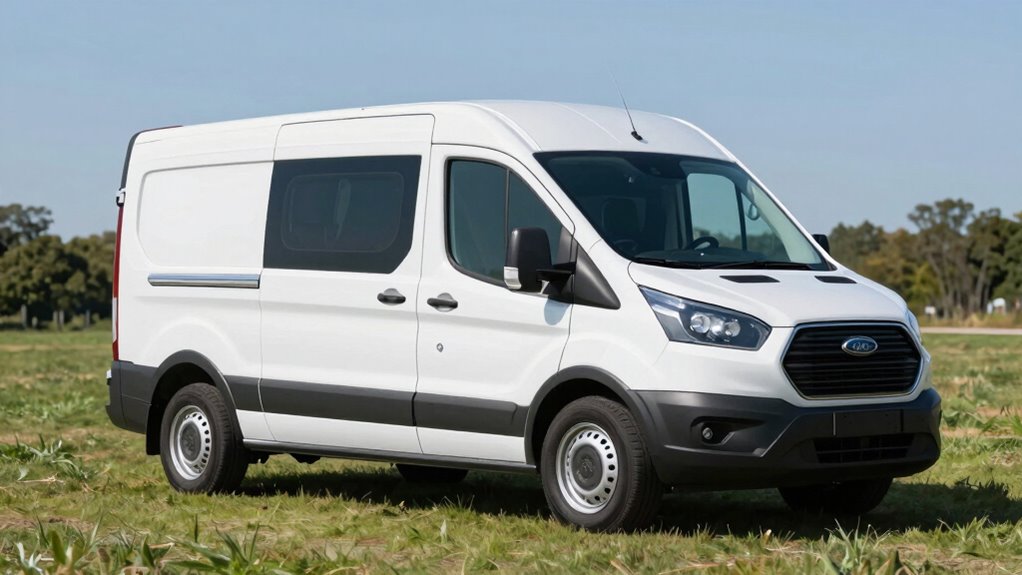

As a new E-Transit owner, you quickly learn that your vehicle’s real-world range often falls short of official estimates. Factors like cold weather, traffic, terrain, and heavy loads can markedly reduce how far you can go on a single charge. Your driving habits and access to reliable charging also play a big role in maximizing range. If you want to understand how to better manage these variables, there’s more to discover that can help you make the most of your EV.

Get garage and car supplies delivered free — and shop member deals
- Fast, free delivery on millions of items
- Access to Prime Big Deal Days deals on October 6–7
- Prime Video, Amazon Music and more included
Key Takeaways
- Real-world range often falls short of official figures due to weather, traffic, and load conditions.
- Cold weather and stop-and-go traffic significantly reduce EV range initially underestimated by new buyers.
- Proper charging infrastructure, especially at home or work, is crucial for maintaining and extending range.
- Frequent fast charging and extreme temperatures can accelerate battery wear, impacting long-term range.
- Understanding external factors and adjusting driving habits help new owners manage range anxiety effectively.
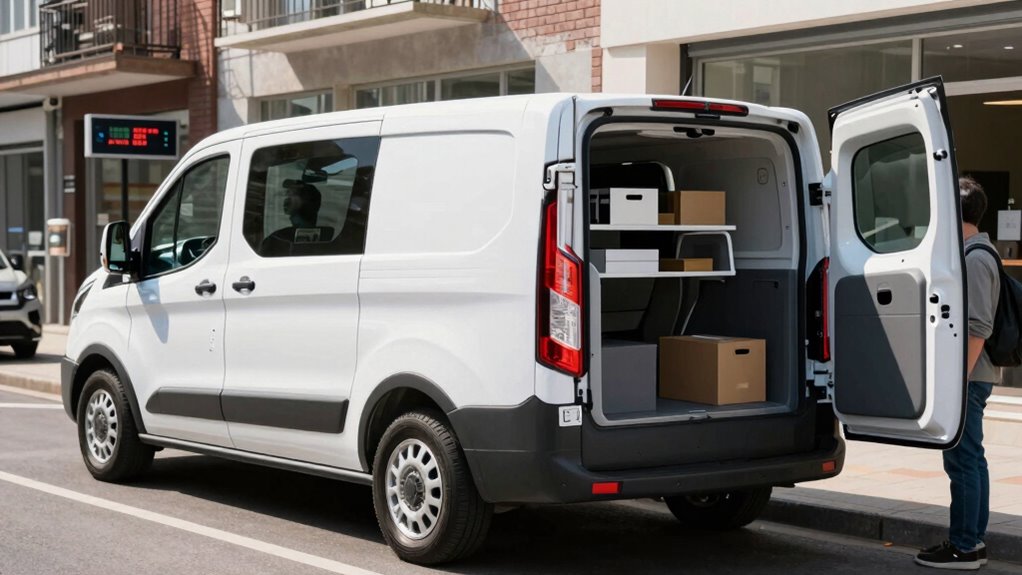
Are you wondering how far the E-Transit can go on a single charge? When you’re new to electric vehicles, that question naturally comes up, especially if you’re trying to plan your routes or decide whether it fits your daily needs. The truth is, the range varies based on several factors, but understanding the role of charging infrastructure and battery longevity can help you get the most out of your vehicle.
First, keep in mind that the charging infrastructure around you makes a big difference. If you regularly have access to reliable charging stations, especially fast chargers, you’ll feel more confident in pushing your E-Transit closer to its maximum range. On the other hand, if charging options are sparse, you might find yourself adjusting your driving habits to avoid running low on battery. Installing a dedicated charger at your workplace or home can greatly extend your effective range, giving you the flexibility to complete longer trips without worry.
Reliable charging stations and home chargers boost your E-Transit’s effective range and confidence on the road.
Battery longevity is another important factor. The way you drive, how often you charge, and the climate all play roles in how well your battery holds up over time. A well-maintained battery can retain its capacity for many years, meaning your vehicle’s range doesn’t diminish quickly. However, frequent fast charging or exposing your vehicle to extreme temperatures can accelerate battery wear, reducing overall range. Being mindful of these factors helps you preserve battery health, ensuring you get the maximum range throughout your vehicle’s lifespan. Additionally, battery management systems can optimize charging and discharging cycles to prolong battery life.
Many new buyers learn early that their initial expectations about range need some adjustment based on real-world conditions. The official range figures often assume ideal conditions—perfect weather, consistent driving, and a fully charged battery. In reality, factors like stop-and-go traffic, heavy loads, or cold weather can reduce your actual range. It’s also helpful to understand how driving habits influence battery performance and overall efficiency. Recognizing external factors, such as weather or terrain, can help you better manage your vehicle’s range and avoid surprises during trips. Planning for these variables and not relying solely on the advertised specifications can make a significant difference. Additionally, understanding the impact of climate and driving habits on battery performance can help you better manage your vehicle’s range. Recognizing how driving behavior and external factors interplay with battery health can help you optimize your vehicle’s performance over time.
Ultimately, understanding the importance of charging infrastructure and battery longevity can turn range anxiety into confidence. By investing in proper charging options and caring for your battery, you maximize your vehicle’s potential. This knowledge empowers you to use your E-Transit more effectively, whether for daily work commutes or longer trips. As you gain experience, you’ll find that the range becomes less of a concern and more of a manageable aspect of owning an electric vehicle.
As an affiliate, we earn on qualifying purchases.
Frequently Asked Questions
How Does Temperature Affect the E-Transit’s Range?
Temperature considerably impacts your E-Transit’s range. Cold weather causes battery degradation, reducing capacity and making it harder to maintain a full charge. Hot temperatures can also affect battery health over time. To maximize range, you should use proper charging infrastructure and avoid extreme temperatures when possible. Keeping your vehicle in a moderate climate helps preserve battery life, ensuring you get the most out of each charge and extending your E-Transit’s overall range.
Can Driving Habits Impact the Vehicle’s Actual Range?
Yes, your driving style and route planning can considerably impact your E-Transit’s actual range. Aggressive driving, rapid acceleration, and high speeds drain the battery faster, reducing range. Conversely, smooth driving and maintaining moderate speeds help conserve energy. Planning your routes to avoid traffic and hills also boosts efficiency. By adopting a conservative driving style and thoughtful route planning, you can maximize your vehicle’s range and get the most out of each charge.
What’s the Best Way to Maximize Battery Life?
Coincidentally, you can maximize your battery life by practicing good charging etiquette, like avoiding frequent fast charging and keeping your battery between 20% and 80%. This helps slow battery degradation and preserves capacity. Regular gentle charging reduces wear, extending overall battery health. By being mindful of how and when you charge, you guarantee your E-Transit maintains ideal range, saving you time and money in the long run.
How Often Should I Charge to Maintain Optimal Range?
You should aim to charge your E-Transit regularly, ideally keeping your battery between 20% and 80%, to maintain best range. Follow consistent charging schedules, avoiding letting the battery fully deplete or stay fully charged for long periods. Regular charging helps with battery conditioning, which preserves its capacity over time. Plug in whenever convenient, especially after daily use, to keep your vehicle ready and maximize range.
Does Cargo Weight Significantly Reduce Range?
Did you know that carrying extra cargo can reduce your E-Transit’s range by up to 10%? Yes, increased cargo weight markedly impacts range, especially as battery degradation occurs over time. Heavier loads demand more energy, making a robust charging infrastructure essential to keep you moving. To maximize range, balance cargo weight and plan for regular charging stops, especially when your vehicle’s battery starts to degrade.
As an affiliate, we earn on qualifying purchases.
Conclusion
So, as you consider the E-Transit, remember that understanding its range is key to your planning. Will you let range anxiety hold you back or embrace the freedom of electric driving? Picture yourself confidently steering city streets or long highways, knowing your vehicle’s limits. With a clear grasp of its range, you can make smarter decisions and enjoy the journey without surprises. After all, isn’t peace of mind the ultimate destination?
As an affiliate, we earn on qualifying purchases.
electric vehicle battery health monitor
As an affiliate, we earn on qualifying purchases.
As an affiliate, we earn on qualifying purchases.
Halloween Picks
halloween
As an affiliate, we earn on qualifying purchases.