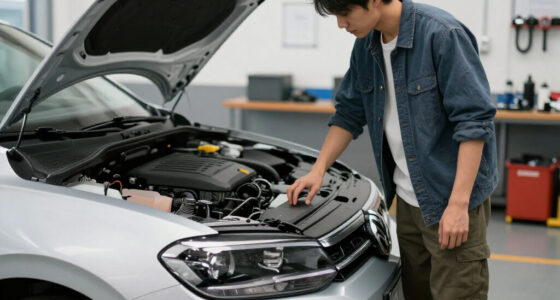
Electric vans change the upfit conversation by giving you more interior space and flexibility for customizations, thanks to the removal of bulky engines and exhaust systems. You can strategically place batteries for better weight balance and easier maintenance. Plus, with reliable charging infrastructure, you can plan efficiency and longevity. These innovations make it possible to design vehicles that perfectly suit your operational needs, opening new opportunities for your fleet—explore how these changes can benefit you.

Get garage and car supplies delivered free — and shop member deals
- Fast, free delivery on millions of items
- Access to Prime Big Deal Days deals on October 6–7
- Prime Video, Amazon Music and more included
Key Takeaways
- Electric vans eliminate bulky engines, freeing interior space for specialized equipment and customizations.
- Battery placement offers flexibility, enabling innovative upfit solutions and optimized weight distribution.
- Reduced weight from electric powertrains allows for more strategic interior design and cargo capacity.
- Expanded charging infrastructure supports diverse operational needs, influencing upfit planning and vehicle utilization.
- Long-lasting batteries and advanced technology enable power-intensive customizations and improved fleet efficiency.
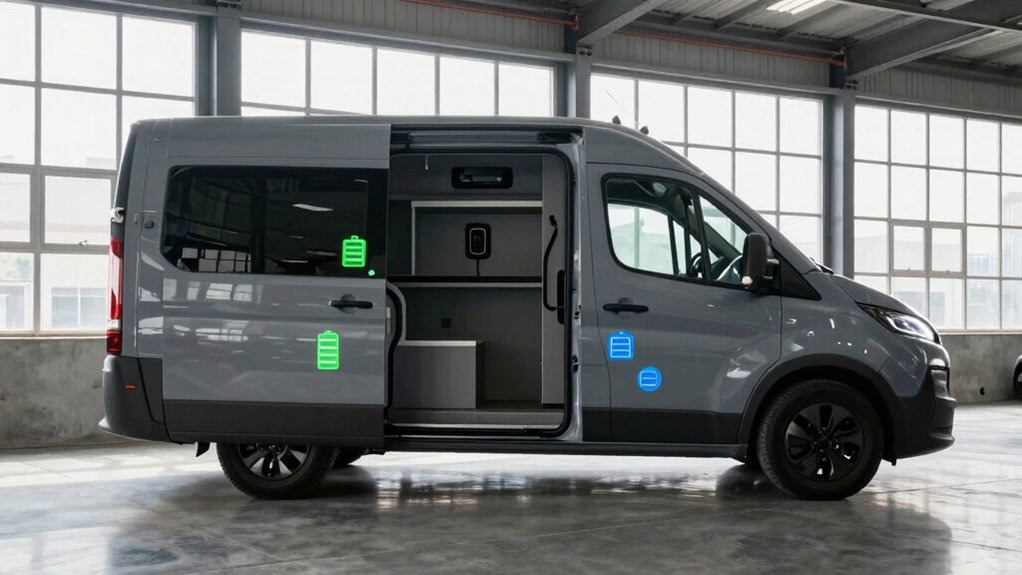
Electric vans are revolutionizing the upfit conversation because their unique powertrain and design features open up new possibilities for customization and efficiency. Unlike traditional vans, electric models eliminate the need for bulky engines and exhaust systems, providing you with more interior space and flexibility for specialized equipment. This shift encourages you to rethink how you design and equip your vans, allowing for cleaner, more adaptable interiors tailored to your specific needs. As you contemplate outfitting options, you’ll find that the absence of a conventional engine means less weight and more room for batteries, which can be strategically placed to optimize weight distribution and overall vehicle balance. Battery placement is a critical aspect to consider for maximizing performance and longevity.
Electric vans offer more interior space and customization options by removing bulky engines and exhaust systems.
One of the key factors influencing the upfit process is charging infrastructure. Electric vans require reliable access to charging stations, and the expansion of charging networks plays a significant role in how you plan your fleet. If you operate in urban areas with extensive charging options, you can confidently customize your vans for daily use, knowing they’ll be easily recharged overnight or during breaks. For rural or less developed regions, you might need to incorporate larger battery capacities or plan for mobile charging solutions. The growing availability of fast chargers further enhances flexibility, enabling quick top-ups that minimize downtime and keep your operations running smoothly. Additionally, expanding charging infrastructure encourages innovative fleet management solutions that optimize vehicle usage and charging schedules, further supporting your upfit strategies. Recognizing the importance of charging infrastructure helps ensure that your fleet remains efficient and responsive to operational demands. Moreover, advancements in battery technology are continually improving the range and durability of electric vans, making them an even more viable option for diverse operational environments.
Battery longevity is another critical element shaping how you approach upfitting electric vans. Modern batteries are designed to last for thousands of charge cycles, which means your vehicles can remain operational for years with proper care. When customizing your vans, you’ll want to consider battery placement and access for maintenance or replacement, ensuring longevity and reliability. The durability of batteries influences your overall operating costs, as longer-lasting batteries reduce the frequency of replacements and downtime. This reliability opens up possibilities for more ambitious upfit projects, such as extending range or installing power-hungry equipment, knowing that your batteries can sustain these demands over time.
In essence, electric vans are changing the upfit conversation by offering a flexible platform that aligns with the expanding charging infrastructure and battery longevity improvements. You’re no longer limited by traditional engine constraints, giving you the freedom to design vehicles that are not only efficient and eco-friendly but also highly tailored to your operational needs. As technology advances, so will the opportunities for innovative upfit solutions, making electric vans an increasingly attractive choice for your fleet.
As an affiliate, we earn on qualifying purchases.
Frequently Asked Questions
How Do Electric Vans Impact Overall Fleet Operating Costs?
Electric vans lower your overall fleet operating costs by reducing fuel expenses and maintenance needs. Their battery lifespan guarantees you get years of reliable service, while faster charging speeds minimize downtime. You’ll spend less on fuel, fewer repairs, and enjoy quicker turnaround times. This efficiency helps you save money, optimize your fleet operations, and adapt to evolving sustainability goals without sacrificing performance or increasing costs.
What Are the Charging Infrastructure Requirements for Electric Van Upfits?
You’ll need sufficient charging stations to support your electric van upfits, ensuring quick turnaround times. Focus on the battery capacity of your vans, as larger batteries require more robust charging infrastructure. Installing fast chargers at strategic locations minimizes downtime and keeps your fleet operational. Planning for adequate charging stations based on your fleet size and usage patterns helps optimize efficiency, reduce costs, and keep your upfit projects running smoothly.
How Do Electric Vans Perform in Extreme Weather Conditions?
You’ll find electric vans are surprisingly tough, even in extreme weather. Their battery longevity might seem fragile, but modern tech guarantees they endure scorching heat and freezing cold, maintaining weather resilience. You’ll be amazed at how they keep running smoothly, no matter the storm or heatwave. So, don’t worry—these vans are built to handle Mother Nature’s worst, proving electric power isn’t just eco-friendly but also incredibly resilient.
Are There Specific Safety Considerations for Electric Van Modifications?
You should prioritize battery safety and insulation requirements when modifying electric vans. Make sure the battery is well-protected against impacts and temperature extremes to prevent hazards. Proper insulation helps maintain ideal battery performance and safety, especially in extreme weather. Always follow manufacturer guidelines and consult experts to incorporate safety features that mitigate risks associated with electrical systems. These steps help keep your electric van safe during modifications and daily use.
How Does Vehicle Downtime Compare Between Electric and Traditional Vans?
Electric vans typically have less downtime than traditional vans because their battery longevity reduces the need for frequent replacements, and advancements in charging speed mean you can recharge quickly. You spend less time waiting for repairs or maintenance, keeping your fleet on the road longer. With fast charging options, you can get back to work faster, making electric vans more efficient for your operations and reducing overall vehicle downtime.
commercial electric van battery management system
As an affiliate, we earn on qualifying purchases.
As an affiliate, we earn on qualifying purchases.
Conclusion
Switching to electric vans might seem intimidating at first, especially with concerns about range or charging infrastructure. But the benefits—lower running costs, reduced emissions, and easier maintenance—far outweigh these worries. Plus, as charging stations become more widespread, downtime shrinks. Embracing electric vans doesn’t just future-proof your fleet; it streamlines your operations. So, don’t let hesitation hold you back—adapting now positions you ahead of the curve, making your upfit smarter and more sustainable.
As an affiliate, we earn on qualifying purchases.
As an affiliate, we earn on qualifying purchases.
Halloween Picks
halloween
As an affiliate, we earn on qualifying purchases.