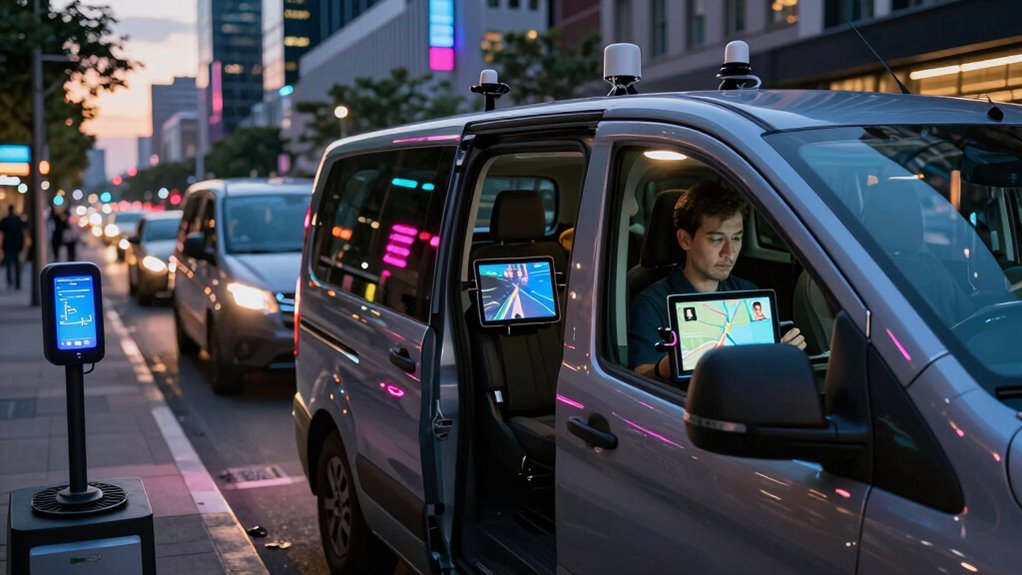

To keep your remote van fleet connected and accountable, set clear safety protocols and use GPS, telematics, and driver behavior analytics for real-time monitoring. Foster open communication through routine check-ins, and provide ongoing training to enhance skills. Promote a strong safety culture by emphasizing compliance and using quick-reference guides. Combining these steps guarantees your drivers stay engaged and responsible, and there’s much more you can do to optimize your fleet’s safety and efficiency—discovery awaits.

Get business pricing on garage and car supplies
- Business-only prices and quantity discounts
- Tax-exempt purchasing
- Multiple users, one account, clear invoices
Key Takeaways
- Implement GPS tracking and telematics to monitor real-time vehicle location, speed, and driver behavior remotely.
- Conduct regular virtual check-ins and safety meetings to foster communication and address concerns proactively.
- Utilize driver behavior analytics to identify unsafe habits and provide targeted coaching or training.
- Enforce compliance with safety protocols through digital documentation, automated alerts, and industry-standard fleet management tools.
- Promote a safety-focused culture with accessible resources, ongoing education, and recognition of safe driving practices.

How can you effectively manage drivers working remotely? The key lies in establishing clear protocols that prioritize vehicle safety and thorough driver training. When your drivers are on the road, you can’t always see what they’re doing, so it’s crucial to implement systems that keep them accountable and guarantee they’re following safety standards. Start by setting strict guidelines for vehicle safety, emphasizing the importance of regular vehicle inspections, proper maintenance, and adherence to traffic laws. Make sure your drivers understand that safety isn’t optional—it’s a fundamental part of their job. Providing detailed training on vehicle safety procedures helps your drivers recognize potential hazards and respond appropriately, reducing the risk of accidents. This training should be ongoing, with updates based on new regulations or emerging safety concerns, so your drivers stay informed and prepared. Incorporating industry-standard practices, such as vehicle maintenance protocols, ensures consistency and reliability across your fleet.
Establish clear safety protocols and ongoing driver training for effective remote fleet management.
Next, leverage technology to monitor your fleet remotely. GPS tracking, telematics, and driver behavior analytics give you real-time insights into how your drivers are performing. These tools can alert you to unsafe driving habits like speeding, harsh braking, or distracted driving. When you spot issues, address them promptly through coaching and retraining, reinforcing the importance of safe driving practices. Regular communication is also crucial. Schedule routine check-ins via phone or video calls to discuss safety concerns, provide feedback, and remind drivers of safety protocols. This keeps engagement high and makes drivers feel supported rather than scrutinized. Incorporating remote management systems can further streamline oversight and enhance accountability. Additionally, implementing driver performance metrics helps you establish clear expectations and track progress over time. Moreover, integrating compliance tracking tools ensures your fleet consistently adheres to industry regulations, minimizing legal risks and promoting safety. Training isn’t just about vehicle safety; it also involves empowering your drivers with the skills they need to succeed remotely. Ensure they understand how to use your fleet management software, communicate effectively, and report issues promptly. Well-trained drivers are more confident and less likely to make mistakes that could compromise safety or efficiency. Building a safety culture supports long-term compliance and reduces risks. Providing ongoing education and fostering open communication channels helps create an environment where safety is prioritized at all levels.
Finally, ensure your drivers are equipped with the right resources. Provide them with safety manuals, quick-reference guides, and access to support whenever needed. When drivers have reliable information and know they’re supported, they’re more likely to prioritize safety and adhere to training. Managing remote drivers requires a proactive approach that combines solid training, technology, and ongoing communication. By focusing on vehicle safety and driver education, you’ll create a safer, more accountable fleet—no matter where your drivers are.
Frequently Asked Questions
How Do I Handle Remote Drivers’ Safety Concerns Effectively?
You handle remote drivers’ safety concerns effectively by prioritizing ongoing driver training focused on accident prevention and safety protocols. Encourage open communication so drivers feel comfortable sharing concerns. Use telematics and regular check-ins to monitor driving habits and address issues early. Recognize safe driving behaviors to motivate compliance. This proactive approach helps minimize accidents and reassures drivers that their safety is a top priority.
What Technology Solutions Best Monitor Driver Performance Remotely?
You should implement telematics systems and GPS tracking to monitor driver performance remotely effectively. These technologies provide real-time data on driving habits, location, and vehicle health, helping you spot issues early. By actively reviewing this information, you can coach drivers for safer driving, guarantee accountability, and optimize fleet operations. The combination of telematics and GPS tracking offers an all-encompassing view, keeping your remote drivers on track and improving overall safety.
How Can I Motivate Remote Drivers to Stay Compliant?
You can turn compliance into a game-changer by offering driver incentives that are impossible to ignore. Celebrate top performers openly, and tie accountability metrics to rewards. When drivers see that staying compliant means huge recognition and bonuses, they’ll be motivated to go above and beyond. Make it fun, competitive, and rewarding, and watch your remote drivers stay committed, engaged, and enthusiastic to meet your expectations every single day.
How Do I Address Communication Barriers With Remote Drivers?
You can address communication barriers with remote drivers by providing thorough driver training focused on effective communication tools and techniques. Use clear, concise messaging during route planning to ensure they understand expectations and updates. Regular check-ins via calls or messaging apps help build trust and clarify any issues promptly. Encouraging feedback and keeping open lines of communication promote better understanding, making remote coordination smoother and more efficient.
What Legal Considerations Exist for Managing Remote Drivers?
While technology connects you to remote drivers, legal compliance and liability management are your priorities. You must guarantee adherence to labor laws, safety regulations, and data privacy rules to avoid penalties. Proper documentation, clear policies, and regular training help protect against legal risks. Staying updated on federal and state regulations ensures your fleet operates lawfully, reducing liability and fostering trust. Balancing connectivity with legal responsibilities keeps your fleet both efficient and protected.
Conclusion
Managing remote drivers can seem challenging, but with the right tools, you stay connected and accountable. Imagine a small delivery company that implemented GPS tracking and regular check-ins—within weeks, delivery times improved, and customer satisfaction rose. You can achieve the same by embracing technology and fostering trust. Stay proactive, keep communication open, and your fleet will run smoothly, no matter how far your drivers are. It’s all about staying connected and confident in your team.
Halloween Picks
halloween
As an affiliate, we earn on qualifying purchases.