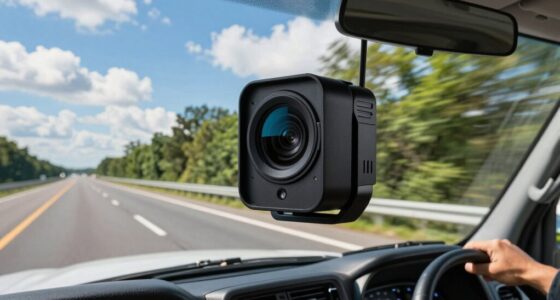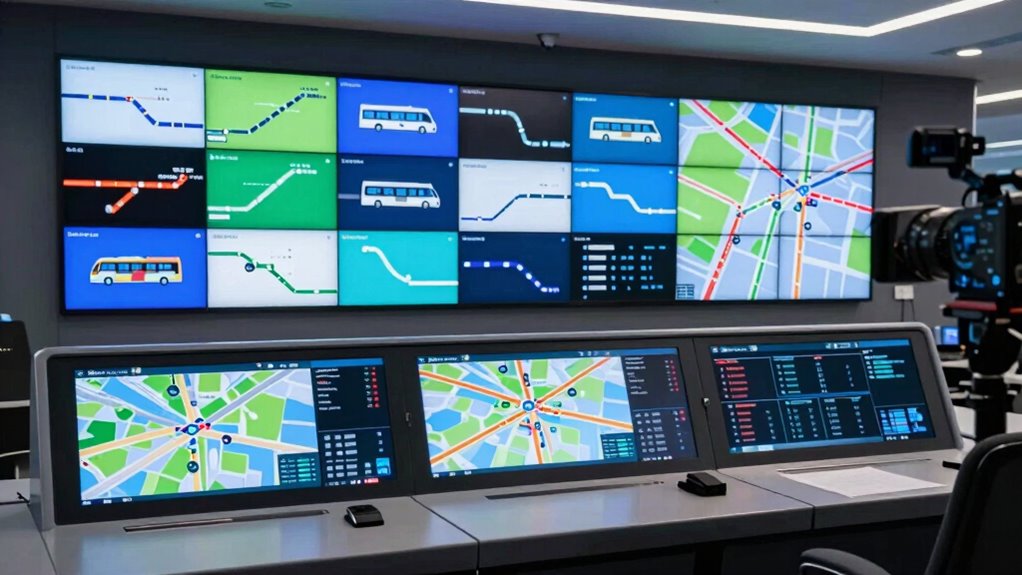

To optimize your vehicle allocation strategy, you need to match each transit to its specific job based on factors like size, cargo requirements, and route demands. Use fleet management software to track vehicle capabilities and monitor real-time data for agile adjustments. Categorize jobs by complexity and assign suitable vehicles accordingly. Effective communication with drivers and continuous improvement practices will help you refine your approach further. Keep exploring to discover more ways to enhance your fleet efficiency.

Get business pricing on garage and car supplies
- Business-only prices and quantity discounts
- Tax-exempt purchasing
- Multiple users, one account, clear invoices
Key Takeaways
- Analyze route data and job requirements to assign appropriate vehicle types based on size, capacity, and cargo specs.
- Utilize fleet management software for real-time tracking and dynamic reallocation of vehicles as demand fluctuates.
- Categorize jobs by complexity and size to optimize vehicle matching, reducing underutilization and overuse.
- Implement flexible allocation systems to adapt to peak periods and slow times, maintaining balanced fleet utilization.
- Communicate strategies clearly to drivers and dispatchers, incorporating feedback and maintenance data for continuous improvement.

Developing an effective vehicle allocation strategy is essential for optimizing your fleet’s performance and reducing operational costs. When you match each vehicle to the right job, you improve fleet optimization and ensure that your resources are used efficiently. The key to achieving this is understanding the specific requirements of each task and assigning the appropriate vehicle based on size, capacity, and capability. This careful matching helps prevent underutilization or overuse of your fleet, which can lead to unnecessary expenses and maintenance issues.
To start, analyze your routes and job types thoroughly. Gather data on delivery volumes, distances, time constraints, and cargo specifications. This information allows you to categorize jobs by size and complexity, making it easier to allocate vehicles that are best suited for each task. For instance, smaller deliveries can be handled by compact vehicles, while larger shipments might require trucks with higher capacity. By doing this, you enhance routing efficiency, ensuring that each trip is optimized in terms of load and distance traveled. This not only minimizes fuel consumption but also speeds up delivery times, leading to happier customers and lower operational costs.
Next, consider the use of fleet management software. Modern tools enable you to track vehicle locations, monitor real-time performance, and adjust allocations dynamically. With this technology, you can respond quickly to changing demands, reroute vehicles if needed, and avoid idle time. This data-driven approach helps you make informed decisions, improving fleet optimization and reducing wasted miles. When you allocate vehicles based on live data, you prevent overburdening certain assets and ensure a more balanced, cost-effective operation. Additionally, understanding vehicle capabilities such as off-road top speeds can help assign vehicles to terrain-specific routes, maximizing efficiency in diverse environments. Incorporating data on vehicle durability and maintenance schedules can further extend the lifespan of your fleet and reduce downtime. Moreover, integrating vehicle maintenance data into your planning can help anticipate repairs and prevent unexpected breakdowns, further optimizing your operations.
Additionally, implementing a flexible vehicle allocation system allows you to adapt to fluctuations in demand. During peak periods, you might need to deploy additional vehicles or reassign existing ones to meet delivery deadlines. Conversely, during slower times, you can consolidate shipments or reduce fleet activity. This flexibility ensures that you’re always using your fleet efficiently, which directly impacts your bottom line. Properly balancing fleet utilization also involves considering factors such as vehicle capacity to prevent overloading or underutilization, ensuring safety and efficiency.
Furthermore, paying attention to the contrast ratio of your projectors can lead to better visualization during presentations and meetings, enhancing communication and understanding. Finally, communicate clearly with your drivers and dispatch team. When everyone understands the allocation strategy, they can execute it more effectively. Regular feedback from drivers can also reveal opportunities for further optimization, such as adjusting routes or vehicle assignments based on real-world conditions. This continuous improvement loop helps you refine your vehicle allocation strategy, making your fleet more agile and cost-efficient over time.
Frequently Asked Questions
How Is Real-Time Data Integrated Into Vehicle Allocation Decisions?
You use real-time analytics to gather current data on vehicle locations, traffic, and demand. This information feeds into dynamic scheduling systems that instantly adjust vehicle assignments based on changing conditions. By integrating real-time data, you optimize fleet deployment, reduce delays, and improve service efficiency. This proactive approach guarantees each transit is matched to the right job, responding quickly to fluctuations and maintaining smooth operations.
What Technological Tools Assist in Optimizing Vehicle Distribution?
You rely on advanced fleet management software and GPS tracking tools to optimize vehicle distribution. These technologies enable scheduling optimization by providing real-time data on vehicle locations and conditions, helping you assign the right transit to the right job efficiently. By integrating these tools, you streamline operations, reduce downtime, and improve service delivery, turning a complex process into a seamless, data-driven system that adapts to changing demands effortlessly.
How Do Seasonal Fluctuations Affect Vehicle Allocation Strategies?
You should adjust your vehicle allocation strategies based on seasonal demand, as it directly impacts fleet needs. During peak seasons, increase your fleet flexibility to handle higher passenger volumes, ensuring you meet service demands without overcommitting resources. Conversely, in off-peak times, scale back to optimize efficiency. Regularly monitoring seasonal trends allows you to fine-tune your vehicle distribution, maintaining a balance between capacity and operational costs.
What Are Common Challenges in Implementing Vehicle Matching Systems?
You face challenges like ensuring fleet maintenance schedules align with operational needs, which can cause delays or inefficiencies. Regulatory compliance also complicates implementation, as you must adhere to safety standards and environmental laws. Balancing these factors while maintaining accurate vehicle matching systems requires careful planning, ongoing training, and adaptable processes to avoid disruptions and optimize fleet utilization effectively.
How Is Driver Availability Considered in Vehicle Assignment Planning?
You might worry that driver availability complicates vehicle assignment, but it’s manageable with proper driver scheduling and fleet balancing. You should consider current driver shifts, time-off, and skill levels to guarantee the right driver is matched to each vehicle. By integrating real-time data, you can optimize assignments, reduce idle time, and improve overall efficiency, ensuring that both driver availability and fleet needs are balanced effectively.
Conclusion
By implementing an effective vehicle allocation strategy, you can boost efficiency and reduce idle time. Imagine assigning the right transit to each job—saving up to 30% on operational costs. This precise matching not only improves productivity but also enhances service reliability. When you optimize your fleet, you’re not just saving money; you’re delivering better, faster service to your customers. Take control of your fleet today and see the difference smart allocation can make.
Columbus Day / Indigenous Peoples' Day Picks
long weekend sales
As an affiliate, we earn on qualifying purchases.