
Understanding telematics metrics like idling time, speed, and driving events helps you monitor your fleet’s performance effectively. Tracking idling reveals where fuel is wasted and engine wear occurs, while speed monitoring highlights safety risks and fuel consumption increases. Event tracking identifies unsafe driving habits that can lead to accidents and higher costs. Focusing on these key metrics allows you to improve safety, efficiency, and costs—discover ways to optimize your fleet even further as you explore more.

Get garage and car supplies delivered free — and shop member deals
- Fast, free delivery on millions of items
- Access to Prime Big Deal Days deals on October 6–7
- Prime Video, Amazon Music and more included
Key Takeaways
- Monitoring idling time reduces fuel waste, engine wear, and environmental impact.
- Tracking speed helps identify unsafe driving behaviors and optimize fuel efficiency.
- Event data like harsh braking and rapid acceleration highlights unsafe or inefficient driving patterns.
- Combining metrics provides a comprehensive view of fleet performance and safety.
- Data-driven insights enable targeted driver coaching, route optimization, and cost reduction.

Telematics metrics are essential tools that help you monitor and improve fleet performance by providing real-time data on driver behavior, vehicle usage, and operational efficiency. Among these, idling time, speed, and event occurrences stand out as critical indicators that can considerably impact your fleet’s safety, fuel economy, and overall productivity. Understanding and managing these metrics allows you to identify areas for improvement, reduce costs, and enhance driver safety.
Telematics metrics are vital for optimizing fleet safety, efficiency, and cost savings through real-time driver and vehicle insights.
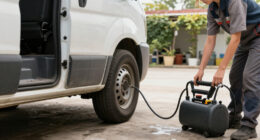
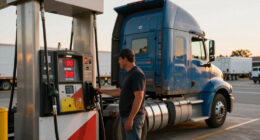
Idling is one of the most straightforward yet impactful metrics. When your drivers leave engines running while parked or waiting, they waste fuel and increase engine wear. Excessive idling also contributes to higher emissions and environmental impact, which can affect your company’s sustainability goals and reputation.
By tracking idling durations, you can pinpoint drivers who tend to idle unnecessarily and implement policies or training to minimize this behavior. Cutting down on idling not only saves money on fuel but also extends vehicle lifespan, ultimately reducing maintenance costs.
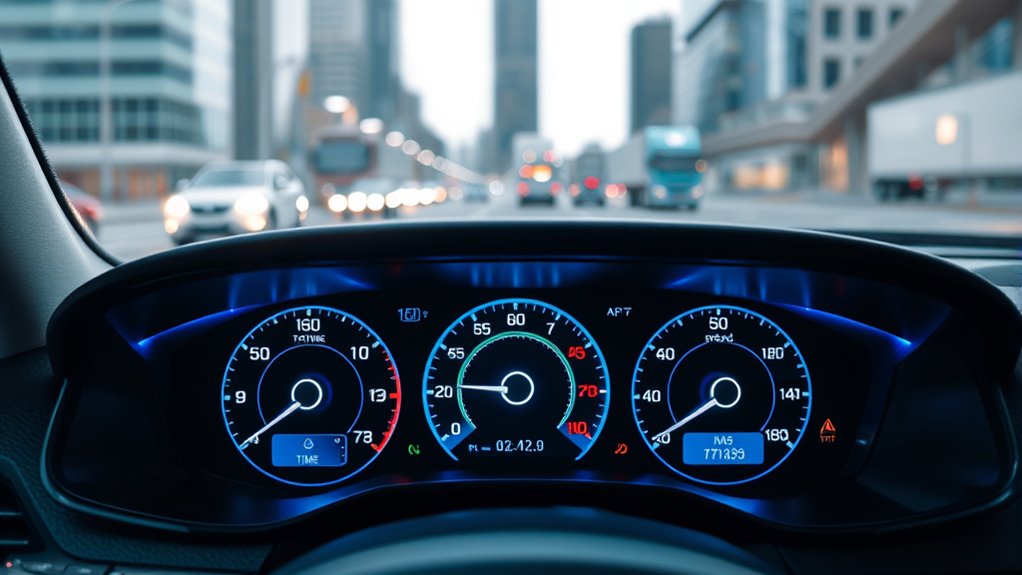
Speed monitoring is equally crucial. Excessive or unsafe speeds can lead to accidents, traffic violations, and increased fuel consumption. When your telematics system alerts you to instances of speeding, you gain the ability to address risky driving habits directly.
Consistently high speeds may indicate driver stress or a need for better route planning, while frequent speeding violations can jeopardize safety and lead to costly fines. By setting speed thresholds and reviewing violations, you can coach drivers towards safer driving practices, which lowers accident risks and insurance premiums.
Event tracking encompasses a range of driving behaviors that could signal unsafe or inefficient driving. These events include harsh braking, rapid acceleration, cornering, or lane departures. Each event provides insight into driving patterns that may compromise safety or cause unnecessary vehicle wear.
For example, frequent harsh braking might suggest aggressive driving or following too closely, increasing the likelihood of rear-end collisions. Recognizing these patterns enables you to implement targeted driver training and reinforce safe driving standards.
In addition, the performance upgrades available for vehicles like the Kia Sedona and Kia Sportage can help reduce the occurrence of negative driving events by improving vehicle handling and responsiveness.
Over time, reducing negative events leads to safer roads, fewer vehicle repairs, and lower insurance costs.
Combining these metrics gives you a wide-ranging overview of your fleet’s operational health. By regularly reviewing idling times, speed violations, and driving events, you can develop data-driven strategies that promote safer and more efficient driving habits.
These insights help you enforce compliance, optimize routes, and set realistic performance goals for your drivers. Ultimately, focusing on these key telematics metrics empowers you to make smarter decisions, improve overall fleet management, and achieve better business outcomes.
Frequently Asked Questions
How Can Telematics Improve Driver Safety?
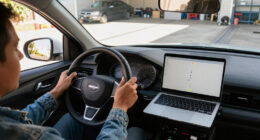
Telematics improves your driver safety by providing real-time data on driving behaviors, allowing you to identify risky habits like speeding or harsh braking. It alerts you to unsafe patterns, helping you take corrective actions promptly.
With this technology, you can monitor your driving, reduce accidents, and promote safer habits.
Plus, telematics encourages accountability, making you more aware of how your actions impact safety on the road.
What Are the Cost Benefits of Monitoring Telematics Metrics?
Monitoring telematics metrics can substantially cut your costs by reducing fuel consumption, maintenance expenses, and insurance premiums. When you track idling, speed, and events, you identify inefficiencies and risky behaviors, leading to fewer accidents and repairs.
This proactive approach helps you optimize routes, improve driver behavior, and lower downtime. Ultimately, investing in telematics pays off through increased operational efficiency and substantial financial savings over time.
How Accurate Are Telematics Systems in Real-Time Tracking?
Telematics systems are quite accurate in real-time tracking, often achieving 90-98% precision depending on the device and environment. You can rely on them for precise location data, but factors like GPS signal strength, urban canyons, or tunnels can cause slight delays or inaccuracies.
Can Telematics Data Be Used for Insurance Purposes?
You can definitely use telematics data for insurance purposes, and it’s a smart move. Insurance companies see the value in this info, which helps them better understand your driving habits, like how often you idle or speed.
What Privacy Concerns Are Associated With Telematics Tracking?
You might worry about privacy when using telematics tracking because it collects your driving data, including location, speed, and habits. This information could be shared without your consent or used to monitor your personal activities.
To protect yourself, make sure your provider has clear privacy policies, control over data sharing, and options to opt out. Staying informed helps you maintain your privacy while benefiting from telematics technology.
Conclusion
By paying attention to idling, speed, and event metrics, you hold the keys to revealing your fleet’s true potential. Think of these metrics as the heartbeat of your operations—when you monitor them closely, you can steer your fleet smoothly through any challenge. Embrace these insights, and you’ll turn data into your most reliable co-pilot, guiding you toward safer, more efficient journeys. The road ahead becomes clearer when you listen to what your telematics data tells you.
Halloween Picks
halloween
As an affiliate, we earn on qualifying purchases.