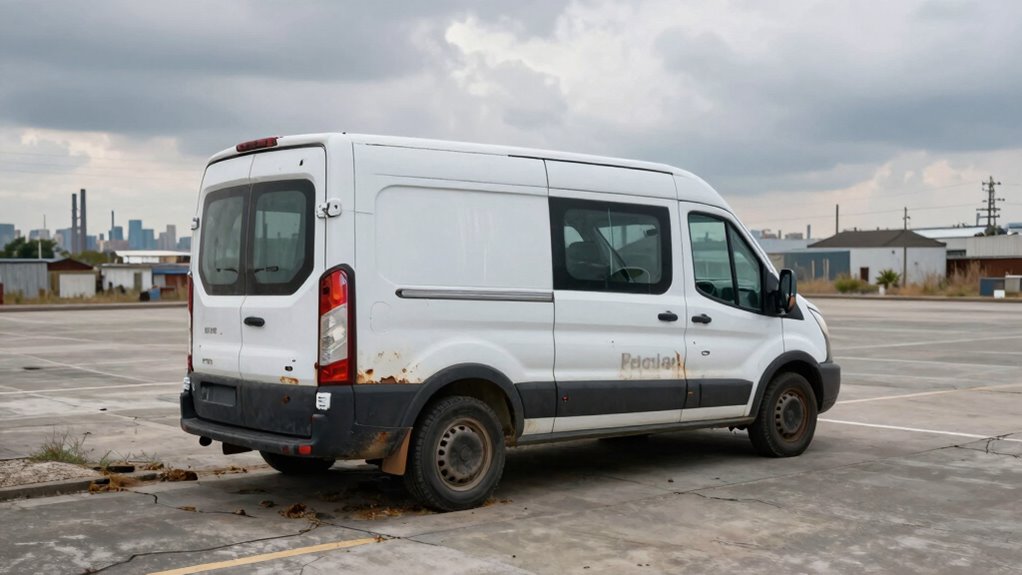

As a fleet manager, you’re likely weighing whether to extend your Ford Transit’s service life or replace them to maintain reliability and control costs. Regular maintenance, proper management, and following manufacturer guidelines can considerably prolong their lifespan while keeping downtime low. However, heavy use and age may eventually outweigh the benefits of patching repairs. To make the best decision for your fleet’s efficiency and budget, understanding your options in detail can help you plan ahead effectively.

Get business pricing on garage and car supplies
- Business-only prices and quantity discounts
- Tax-exempt purchasing
- Multiple users, one account, clear invoices
Key Takeaways
- Regular maintenance and adherence to manufacturer guidelines maximize Transit lifespan and reliability.
- Heavy-duty use accelerates wear, reducing overall vehicle longevity.
- Monitoring mileage and age helps optimize replacement timing and reduce unexpected breakdowns.
- Total cost of ownership, including repairs and resale value, influences lifecycle decisions.
- Proper lifecycle management ensures fleet efficiency and minimizes long-term operational costs.

When considering the Ford Transit for your business, one of the most important questions is how long it will last. You need to know if it’s a reliable investment that will serve your fleet for years to come. The lifespan of a Transit depends on several factors, including how well you maintain it, the type of work it handles, and your ability to manage costs effectively. You’ll want to plan for regular vehicle maintenance, which is essential to extend its longevity. Routine checks on brakes, tires, oil changes, and engine health help prevent unexpected breakdowns and costly repairs down the line. Staying proactive with vehicle maintenance ensures your Transit remains dependable and reduces downtime, ultimately supporting your business operations.
Regular maintenance and proactive care are key to maximizing your Ford Transit’s lifespan and dependability.
Additionally, understanding the durability of your vehicle can help you better anticipate its lifespan and plan accordingly. A key part of understanding how long your Ford Transit will last involves conducting a detailed cost analysis. This means weighing initial purchase costs against ongoing expenses like maintenance, repairs, fuel, and insurance. A well-maintained Transit may deliver a longer service life, but neglecting upkeep can lead to early failure and higher overall costs. When you evaluate the cost analysis, consider the potential resale value of your vehicle after several years. An accurate assessment helps you determine if the Transit remains a financially sound choice over the long term or if investing in a newer model might be wiser.
The durability of the Ford Transit is also influenced by the nature of your work. Heavy-duty use, frequent short trips, or hauling heavy loads can accelerate wear and tear, shortening its useful life. Conversely, if your operations involve light to moderate use and you keep up with scheduled vehicle maintenance, you can expect the Transit to last longer. It’s also helpful to consider vehicle lifespan estimates based on real-world data to better inform your planning. Regularly monitoring mileage and age can further optimize your maintenance schedule and replacement planning. Furthermore, understanding the total cost of ownership can help you make data-driven decisions about maintaining or replacing your vehicle. Generally, a well-cared-for Transit can reach 200,000 miles or more, but this varies based on usage and maintenance practices.
In addition, staying informed about manufacturer recommendations can help ensure you follow the best practices for maximizing your vehicle’s lifecycle. Ultimately, your decision about whether to keep or replace the Ford Transit hinges on understanding its lifecycle. You need to balance ongoing vehicle maintenance costs against the vehicle’s remaining value and reliability. Regular inspections, timely repairs, and a thorough cost analysis empower you to make informed choices. By staying attentive to these factors, you’ll maximize your investment and ensure your fleet remains efficient and dependable for years to come.
As an affiliate, we earn on qualifying purchases.
Frequently Asked Questions
How Does Regional Climate Affect Ford Transit Longevity?
Regional climate profoundly impacts your Ford Transit’s longevity. In colder areas, you’ll need to focus on climate adaptation by regularly checking antifreeze levels, battery health, and winterizing your vehicle. Hot, humid regions demand more regional maintenance like air conditioning checks and rust prevention. By adapting your maintenance routines to the climate, you can extend your Transit’s lifespan, ensuring it remains reliable and efficient regardless of regional weather challenges.
What Are the Best Maintenance Practices for Extending Lifespan?
To extend your Ford Transit’s lifespan, prioritize regular maintenance like oil changes, brake inspections, and tire rotations. Keep up with fleet financing schedules to avoid neglecting essential repairs. Invest in driver training to guarantee proper vehicle handling, reducing wear and tear. Address issues promptly, and maintain a detailed service log. These practices help maximize your transit’s durability, saving costs and improving fleet reliability over time.
How Does Usage Intensity Impact Vehicle Replacement Timing?
Think of your fleet as a garden—high usage is like a relentless sun, speeding up wear and tear. If drivers aren’t trained properly, vehicles endure unnecessary stress, shortening their lifespan. This impacts fleet financing, forcing earlier replacements. To optimize timing, you need to balance usage with effective driver training, ensuring your vehicles last longer and your investments pay off. Proper management keeps your fleet healthy and delays costly replacements.
Are There Specific Transit Models More Durable Than Others?
Some transit models are definitely more durable than others, which can considerably impact your fleet optimization. Vehicles like the Ford Transit and Mercedes-Benz Sprinter are known for their high model durability, offering longer service life and lower maintenance costs. By choosing these more durable options, you improve overall fleet reliability and reduce replacement frequency, ultimately saving money and ensuring smoother operations over time.
What Are Cost-Effective Options for Transit Upgrades?
You want cost-effective transit upgrades that boost interior comfort and technological features without breaking the bank. Consider adding ergonomic seating, soundproof insulation, and affordable tech like backup cameras or new infotainment systems. These upgrades improve driver satisfaction, passenger experience, and overall efficiency. By focusing on smart, budget-friendly enhancements, you create a more comfortable, connected fleet that’s ready to meet your operational goals now and in the future.
As an affiliate, we earn on qualifying purchases.
Conclusion
Ultimately, you face the Ford Transit lifecycle question: when to upgrade, when to maintain, and when to replace. You weigh durability against cost, performance against longevity, and convenience against investment. You consider the needs of today and the demands of tomorrow. By understanding the balance between initial cost, ongoing maintenance, and long-term value, you make informed decisions. You determine your fleet’s future, shaping its success through choices rooted in foresight, practicality, and strategic planning.
Ford Transit vehicle diagnostic tools
As an affiliate, we earn on qualifying purchases.
As an affiliate, we earn on qualifying purchases.
Ford Transit resale value calculator
As an affiliate, we earn on qualifying purchases.
As an affiliate, we earn on qualifying purchases.
Columbus Day / Indigenous Peoples' Day Picks
long weekend sales
As an affiliate, we earn on qualifying purchases.