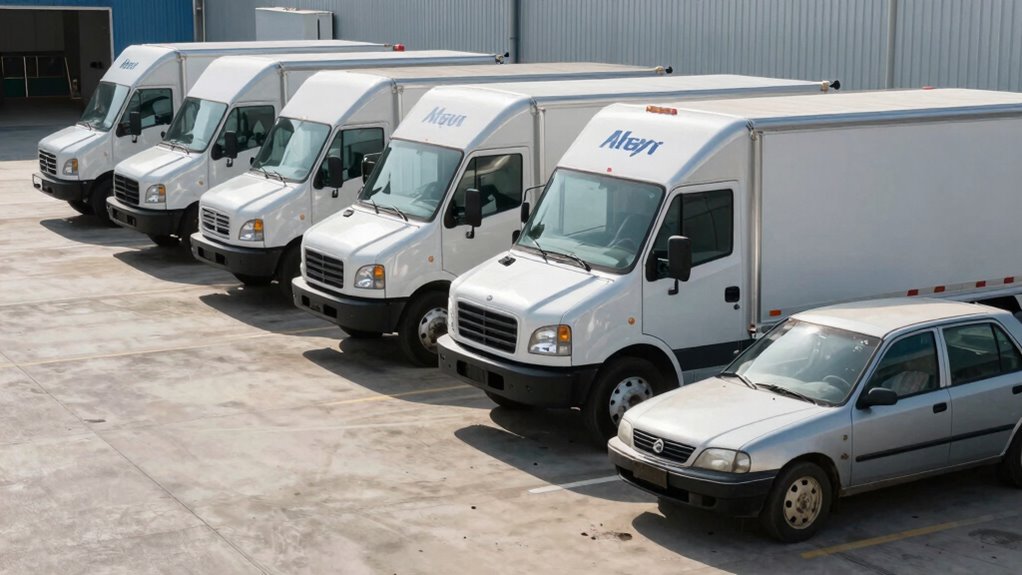

You notice that fleet service discipline feels different from personal ownership because it’s all about proactive maintenance, strict schedules, and using technology to track and manage repairs. Unlike personal vehicles, which often get occasional or delayed fixes, fleets focus on prevention to avoid downtime and control costs. This disciplined approach guarantees reliability and efficiency across all vehicles, making the process more organized and systematic. Keep exploring to discover how these practices can transform your approach to vehicle management.

Get business pricing on garage and car supplies
- Business-only prices and quantity discounts
- Tax-exempt purchasing
- Multiple users, one account, clear invoices
Key Takeaways
- Fleet discipline enforces strict maintenance schedules to ensure reliability, unlike the reactive approach often seen with personal vehicle care.
- Fleet management prioritizes overall operational efficiency, shifting focus from individual repairs to systematic upkeep.
- Technological tools in fleet services streamline maintenance tracking, creating a disciplined, proactive maintenance culture.
- Personal ownership tends to delay repairs and overlook small issues, whereas fleet protocols emphasize preventive care.
- Fleet discipline involves structured planning and adherence, fostering consistency that differs from the more casual personal approach.

Have you ever wondered how fleet service discipline compares to personal ownership? When you’re managing a fleet, the way you handle vehicle maintenance and cost accountability feels fundamentally different from how you’d treat your own car. In personal ownership, you’re directly responsible for every repair, every oil change, and every dollar spent. It’s a personal commitment, and you tend to be more cautious about expenses because it’s your money on the line. But in fleet management, the approach shifts. You’re overseeing a collection of vehicles, and the focus isn’t just on individual upkeep but on maintaining operational efficiency for the entire fleet.
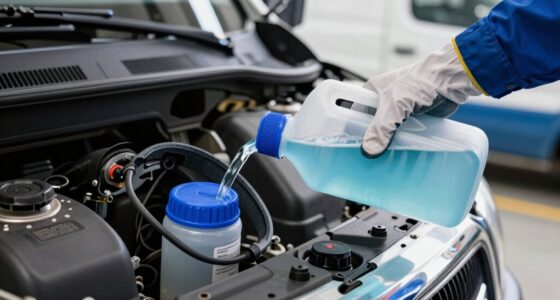
This shift considerably influences how vehicle maintenance is approached. With personal cars, you might delay an oil change or ignore small issues until they become urgent because you feel the direct financial impact. In contrast, fleet service discipline enforces a strict schedule for regular maintenance. You’re expected to follow prescribed service intervals, ensuring each vehicle stays in prime condition. This proactive approach minimizes breakdowns and keeps the fleet running smoothly, but it also requires disciplined planning and adherence to maintenance protocols. It’s less about reacting to problems and more about preventing them, which can feel quite different from the more reactive mindset you might have with your own vehicle. Additionally, fleet management often involves maintenance scheduling systems that help enforce these routines systematically. Proper fleet maintenance is essential for achieving this consistency and avoiding costly downtime. Developing a preventive maintenance plan is a key element in ensuring fleet reliability and efficiency over time. Furthermore, implementing fleet management best practices can significantly enhance overall operational productivity and cost savings, especially through leveraging technological tools that streamline maintenance processes.
fleet maintenance management software
As an affiliate, we earn on qualifying purchases.
As an affiliate, we earn on qualifying purchases.
Frequently Asked Questions
How Does Fleet Service Impact Employee Accountability?
Fleet service impacts employee accountability by fostering a strong accountability culture where your motivation relies on adhering to standards. You’re more likely to take responsibility for your actions because your performance directly affects the fleet’s efficiency. This environment encourages you to stay committed, follow procedures diligently, and maintain high standards, knowing that your accountability benefits not just the team but also your personal growth and reputation within the organization.
What Are Common Challenges in Implementing Fleet Discipline?
You might find that implementing fleet discipline faces challenges because it’s hard to guarantee consistent vehicle compliance across all drivers. People often resist strict rules or overlook policies, thinking personal ownership differs from fleet standards. This disconnect can cause lapses in discipline, making it tough to establish accountability. To succeed, you need clear communication, regular monitoring, and fostering a culture that values the importance of fleet discipline for safety and efficiency.
How Is Maintenance Prioritized Differently in Fleet vs. Personal Vehicles?
In fleet vehicles, maintenance prioritization relies heavily on maintenance scheduling and vehicle inspections to minimize downtime and guarantee safety. You focus on regular, scheduled checks to prevent issues before they arise, often guided by fleet management systems. Personal vehicles, however, usually get attention only when problems occur, making maintenance less systematic. This proactive approach in fleet management helps keep all vehicles running efficiently and safely.
What Training Is Provided for Fleet Service Discipline?
You receive thorough fleet training that emphasizes discipline enforcement and proper vehicle care. This training highlights the importance of consistent standards, safety, and responsibility, helping you understand the unique expectations of fleet service. By participating in workshops and ongoing education, you learn how disciplined habits improve efficiency and safety. This approach guarantees you’re well-equipped to uphold fleet standards, fostering a sense of shared accountability and pride in your role.
How Do Costs Compare Between Fleet Management and Personal Vehicle Ownership?
In a cost analysis, fleet management typically proves more economical than personal vehicle ownership. You save on maintenance, insurance, and depreciation costs, since these are often covered by the fleet provider. The ownership differences mean you don’t bear the full financial burden of vehicle upkeep. Instead, you benefit from predictable expenses and bulk rate discounts, making fleet service a cost-effective choice for regular, professional use.
preventive vehicle maintenance tools
As an affiliate, we earn on qualifying purchases.
As an affiliate, we earn on qualifying purchases.
Conclusion
In the end, understanding why fleet service discipline feels different helps you see the bigger picture. For instance, imagine managing a company fleet where strict rules prevent accidents, unlike personal vehicles where freedom feels more relaxed. By recognizing these differences, you can adapt your approach, fostering better compliance and safety. Embrace the discipline as a tool for collective success, knowing that your efforts directly protect everyone’s well-being and keep operations running smoothly.
As an affiliate, we earn on qualifying purchases.
automated maintenance scheduling system
As an affiliate, we earn on qualifying purchases.
As an affiliate, we earn on qualifying purchases.
Halloween Picks
halloween
As an affiliate, we earn on qualifying purchases.