
To keep your HVAC cabin heater working well, check your coolant levels regularly and top them off with the right type of coolant. Inspect hoses for leaks or damage and make sure all connections are tight. Ensure the heater control valve is functioning properly and bleed air from the system to prevent blockages. Maintaining these basics helps improve heat output and prevents costly repairs—continue exploring to master these essential system tips.
Key Takeaways
- Regularly check and maintain coolant levels to ensure effective heater performance.
- Inspect and replace damaged or blocked hoses to maintain proper coolant flow.
- Ensure heater control valves function correctly to regulate hot coolant into the heater core.
- Flush the cooling system periodically to remove debris and prevent clogs.
- Remove air pockets through bleeding procedures to optimize coolant circulation and heating efficiency.
When the weather turns cold, a reliable HVAC cabin heater becomes indispensable for maintaining comfort during your drives. You rely on it to warm your interior quickly and keep everyone cozy, especially during icy mornings or winter storms. To guarantee it works effectively, understanding the basics of maintenance and coolant flow is essential.
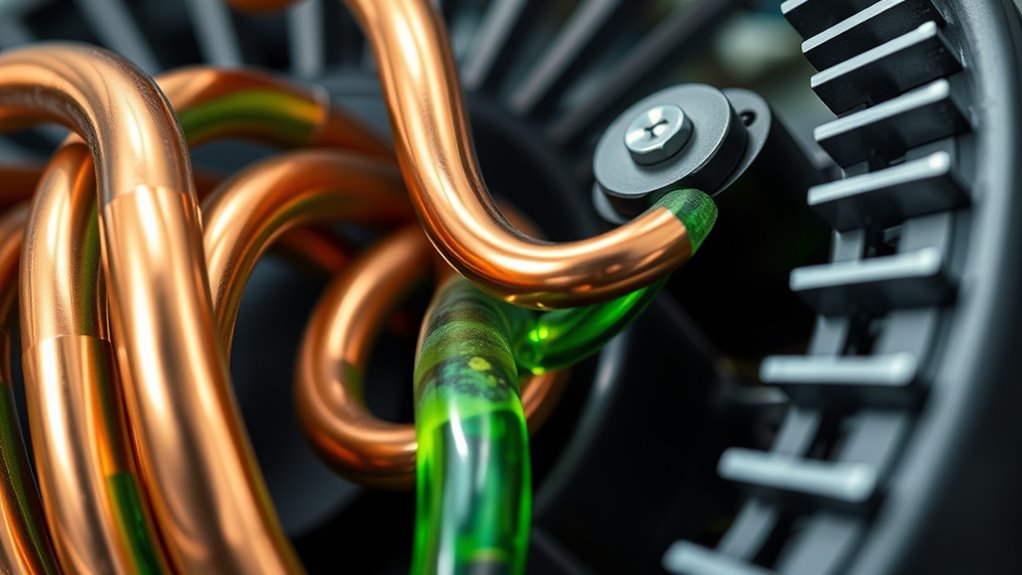
The heater operates by using hot coolant from your engine’s cooling system. As the engine runs, it generates heat, which is transferred to the coolant. This heated coolant circulates through the heater core—a small radiator located inside your vehicle’s dashboard. When you turn on the heater, a fan blows air over this hot core, warming the air before it reaches your cabin. If the coolant flow is interrupted or inefficient, your heater won’t produce enough heat, leaving you cold and uncomfortable.
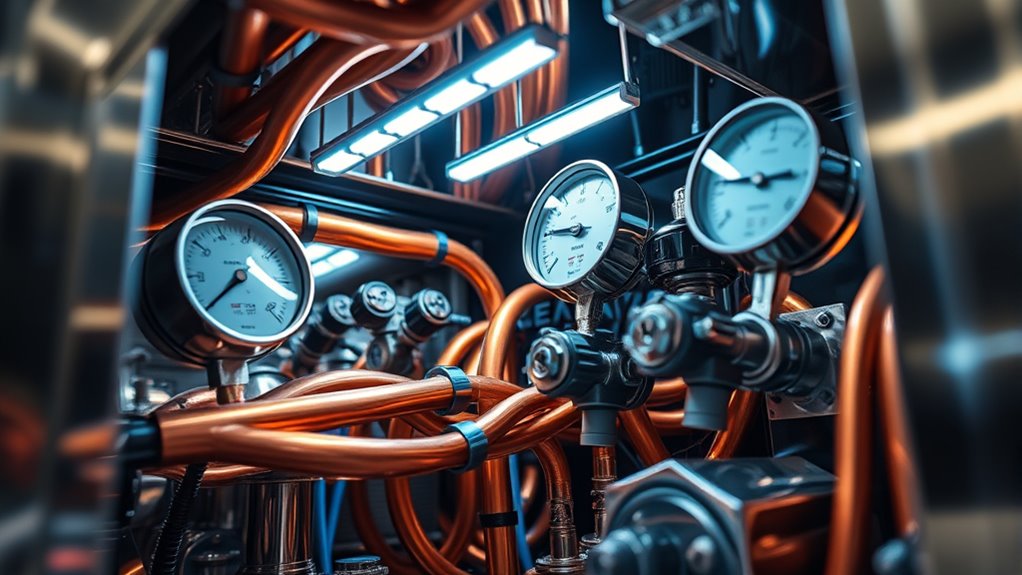
Maintaining proper coolant flow starts with checking your coolant levels regularly. Low coolant can cause your heater to blow lukewarm or cold air and may also lead to engine overheating. Always use the type of coolant recommended by your vehicle’s manufacturer, and keep it topped up according to your service schedule. Flushing the cooling system periodically helps remove debris, rust, and old coolant that can clog the system and impede flow.
When you notice the heater isn’t working as well as it used to, it might be time to inspect the hoses and connections for leaks or blockages. Bent or damaged hoses restrict coolant flow, so replacing them can restore proper circulation.
Another essential aspect of maintenance involves the heater control valve, which regulates coolant flow into the heater core. If this valve gets stuck or malfunctions, it can prevent hot coolant from entering the core, reducing heating performance. Regular checks and, if necessary, replacing the valve ensures that warm coolant reaches the heater core when you need it most.
Additionally, air trapped in the cooling system can also hinder coolant flow. Bleeding the system to remove air pockets is a simple but critical step to keep the coolant circulating smoothly. Ensuring all connections are tight and free from leaks prevents air from entering the system and maintains consistent heat output. Proper coolant flow is essential for an effective and reliable heater.

KOOPOOL 30PCS Radiator Pressure Tester Kit with Vacuum Refill
- Universal Compatibility: Fits most Japanese, European, American cars
- Color-Coded Test Caps: 17 test caps for quick identification
- Durable Aluminum Pump: Ensures airtightness and durability
As an affiliate, we earn on qualifying purchases.
As an affiliate, we earn on qualifying purchases.
Frequently Asked Questions
How Often Should I Flush the Coolant System?
You should flush your coolant system every 30,000 miles or approximately every 2 to 3 years, whichever comes first.
Regular flushing prevents buildup of rust, debris, and contaminants that can impair heating performance and damage components.
Always check your vehicle’s owner manual for specific recommendations, and consider more frequent flushes if you operate in harsh conditions, such as extreme temperatures or areas with lots of road salt.
Can You Upgrade a Cabin Heater for Better Efficiency?
Yes, you can upgrade your cabin heater for better efficiency by installing a more modern or high-performance unit. Look for models with improved heat exchange capabilities, better insulation, or advanced controls.
You might also consider upgrading the coolant pump or adding a secondary heat source.
Always guarantee compatibility with your vehicle’s system and consult a professional to optimize installation and performance, ensuring you get the most out of your upgrade.
What Are Signs of a Failing Heater Core?
A failing heater core can turn your cozy car into a freezing tundra overnight. You’ll notice sweet, antifreeze smells inside the cabin, which means leaks are seeping into your vents.
If your heater blows cold air despite being on, or you see foggy windows and coolant puddles under your vehicle, those are clear signs it’s time to replace the core.
Don’t ignore these signs—they’ll turn your drive into a nightmare.
Is It Necessary to Replace Coolant Regularly?
Yes, you should replace coolant regularly. Over time, coolant loses its effectiveness, which can lead to corrosion, rust, and buildup that clog your heater core and radiator.
Regularly changing your coolant helps prevent overheating, leaks, and costly repairs. Follow your vehicle manufacturer’s recommended interval, usually every 30,000 to 50,000 miles or every 2 to 3 years.
Doing so keeps your cooling system running smoothly and ensures your heater works efficiently.
How Does Altitude Affect Heater Performance?
At higher altitudes, your heater’s performance can decrease because the thinner air makes heat transfer less efficient. You might notice slower warming or less consistent cabin temperature.
To counter this, make certain your coolant levels are adequate and consider adjusting your heater settings if available. Regular maintenance helps your system adapt to altitude changes, so keep an eye on performance and seek professional checks if you notice significant drops in heating efficiency.

Universal Air Conditioner HV 2211C HVAC Heater Control Valve
- Brand New UAC Heater Valve Cable: OE replacement for HVAC systems
- High-Quality ISO/TS 16949 Certified: Meets or exceeds OEM standards
- Optimized Cooling Performance: Ensures maximum cooling efficiency
As an affiliate, we earn on qualifying purchases.
As an affiliate, we earn on qualifying purchases.
Conclusion
Proper maintenance of your HVAC cabin heater ensures cozy rides and avoids costly repairs. Remember, a well-maintained heater can extend its lifespan by up to 50%. Regular coolant flow checks prevent overheating and keep your system running smoothly. Don’t overlook these simple steps—your comfort depends on it. Stay proactive, and you’ll enjoy reliable warmth even during the coldest days. Keep your heater in top shape and experience the difference every time you hit the road.

J-B Weld 2120 Radiator Repair Kit
- Complete Radiator Repair Kit: All-in-one kit for professional repairs
- Trusted Brand for Over 40 Years: Reliable products with a loyal following
- Easy Leak Fixes: Seal holes up to 3/8" and cracks up to 4"
As an affiliate, we earn on qualifying purchases.
As an affiliate, we earn on qualifying purchases.
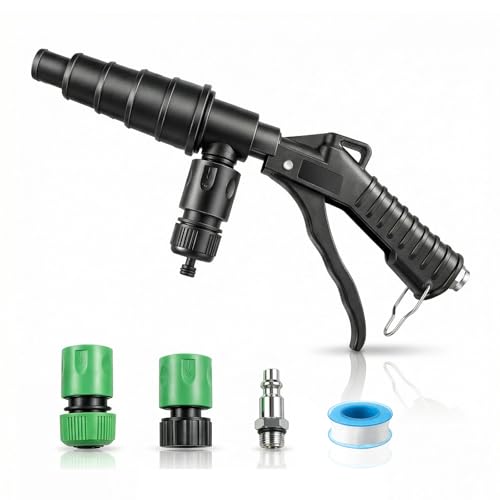
QUFYSK Coolant Flush Gun, Lever Action Heater Core Flush Kit, Coolant Flush Kit for Automotive Coolant Flush, Air and Water Radiator Flush Kit with Nozzles for 19-40mm Hoses
- Heater Core Flush Kit: Includes gun, adapters, and sealant tape
- Efficient Cleaning Power: Combines water and air for strong flushing
- Universal Compatibility: Fits various hoses and includes multiple adapters
As an affiliate, we earn on qualifying purchases.
As an affiliate, we earn on qualifying purchases.