
To keep your AWD system running smoothly, it’s important to service your PTU fluid regularly. This involves checking the fluid level and condition, usually every 30,000 to 50,000 miles, and replacing it when dirty or dark. Using the right fluid and following your vehicle’s specific procedures helps prevent overheating, gear wear, and costly repairs. Proper maintenance guarantees peak performance—keep going to find out more about how to care for your PTU effectively.

Get business pricing on garage and car supplies
- Business-only prices and quantity discounts
- Tax-exempt purchasing
- Multiple users, one account, clear invoices
Key Takeaways
- Regularly inspect the PTU fluid every 30,000 to 50,000 miles or in harsh conditions.
- Check fluid for clarity and proper level; replace if dark, cloudy, or burnt smelling.
- Drain old fluid, replace the drain plug or filter as recommended, and refill with manufacturer-approved fluid.
- Follow vehicle-specific procedures for fluid changes to ensure proper lubrication and cooling.
- Proper PTU fluid maintenance prevents overheating, gear wear, and costly drivetrain repairs.
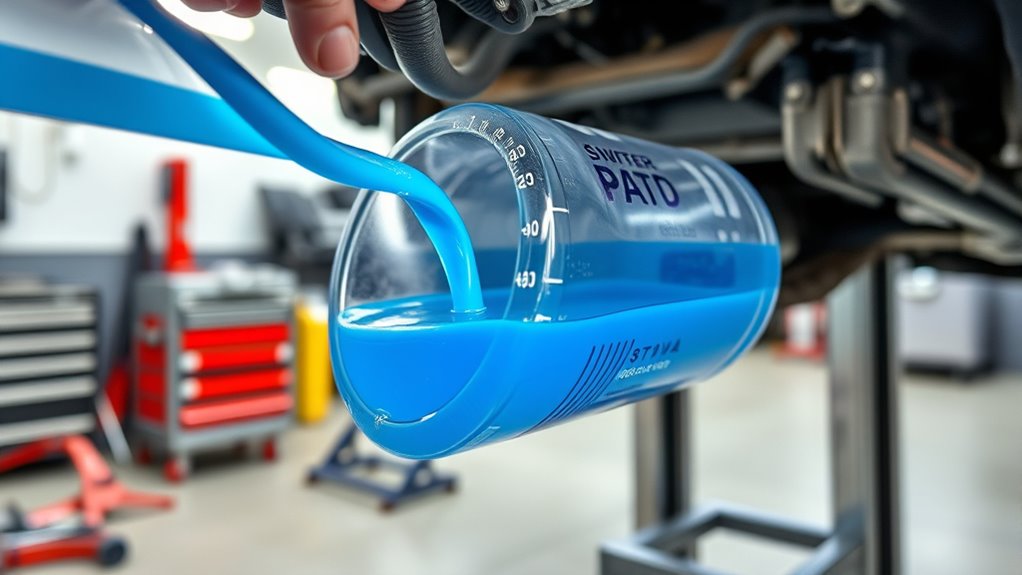
Are you aware of how essential regular fluid service is for your AWD power transfer unit? The PTU is a critical component that distributes power from your vehicle’s transmission to the front and rear axles, ensuring smooth handling and stability. Like any mechanical part, it relies heavily on clean, properly maintained fluid to operate efficiently. Over time, the fluid can become contaminated with dirt, metal shavings, and debris, which can lead to increased wear, overheating, and eventually, costly repairs. Embracing creative practice in your routine maintenance can also help you develop a more proactive approach to vehicle care, fostering problem-solving skills and attention to detail.
Regular fluid service helps prevent these issues, extending the lifespan of your PTU and maintaining peak performance.
Regular fluid service extends PTU life and keeps your vehicle running smoothly.
Understanding the basics of PTU fluid service starts with knowing when and how often to check it. Many manufacturers recommend inspecting the fluid every 30,000 to 50,000 miles, but this can vary based on your driving conditions. If you often drive in harsh environments—like rough terrain, stop-and-go traffic, or extreme temperatures—you might need to service the fluid more frequently.
Checking the fluid involves removing a fill plug, inspecting its level, and evaluating its condition. Fresh, clean fluid should be clear or slightly amber, with no burnt smell or metallic particles. If the fluid appears dark, cloudy, or has a burnt odor, it’s time for a change.
Changing the PTU fluid isn’t a complicated process, but it’s essential to follow proper procedures for your specific vehicle. Typically, it involves draining the old fluid, cleaning or replacing the drain plug or filter if applicable, and then refilling with the manufacturer-approved fluid.
Using the wrong type of fluid can compromise the PTU’s operation, so always check your owner’s manual for the recommended specifications. Some vehicles might require a complete flush, especially if the fluid has been neglected for a long time. This ensures all contaminants are removed and the new fluid can do its job effectively.
It’s important to remember that PTU fluid service isn’t just about pouring in new fluid; it’s about maintaining a clean, sealed environment that protects internal components from damage. Regular service also gives you an opportunity to catch potential issues early, such as leaks or unusual noises, before they escalate into more significant problems.
Keeping your PTU properly lubricated and cooled with fresh fluid helps prevent overheating and reduces wear on gears and bearings. Ultimately, sticking to a consistent PTU fluid service schedule safeguards your vehicle’s drivetrain, ensuring reliable performance and saving you money on expensive repairs down the line.
Frequently Asked Questions
How Often Should PTU Fluid Be Replaced?
You should replace the PTU fluid every 30,000 to 60,000 miles, depending on your vehicle’s manufacturer recommendations. Regularly checking the fluid for contamination or degradation helps guarantee peak performance.
If you notice unusual noises or vibrations, it might be time for a fluid change sooner. Always follow your owner’s manual for specific intervals, and have a professional service technician perform the fluid replacement to maintain your AWD system’s reliability.
Can I Use Generic Fluid for the PTU?
You can’t just grab any generic fluid for your PTU; it’s a case of “don’t fix what isn’t broke.” Using the wrong fluid can cause more harm than good, leading to costly repairs.
Always stick to the manufacturer’s recommended fluid to keep things running smoothly. If you’re unsure, check your vehicle’s manual or ask a professional—better safe than sorry.
What Are Signs of PTU Fluid Failure?
You’ll notice signs of PTU fluid failure if you experience difficulty turning, strange noises like whining or grinding, or if your vehicle vibrates unexpectedly.
You might also see fluid leaks under your vehicle or a warning light on your dash. These symptoms indicate that the fluid is degraded or contaminated, reducing lubrication and causing components to work harder, which can lead to further damage if not addressed promptly.
Is PTU Fluid Service Necessary for All AWD Vehicles?
Think of your AWD system as a delicate dance partner; keeping the PTU fluid fresh guarantees smooth moves. Not all AWD vehicles need fluid service, but if your vehicle’s manufacturer recommends it, neglecting this can cause the PTU to grind to a halt.
Regular maintenance is like watering a plant—your AWD system stays healthy and responsive.
Always check your owner’s manual to see if fluid service is necessary for your vehicle.
How Do I Check My PTU Fluid Level?
You check your PTU fluid level by first locating the PTU unit, usually near the transfer case or front axle.
With the vehicle on a level surface and the engine off, remove the fill plug using the appropriate tool.
If fluid beads up at the opening or reaches the fill hole, your level is correct.
Add fluid if needed, then securely replace the fill plug to prevent leaks.
Conclusion
Regularly servicing your AWD power transfer unit fluid guarantees smooth, reliable performance. For example, imagine a driver neglecting fluid changes, leading to overheating and costly repairs. By staying proactive and following maintenance guidelines, you prevent breakdowns and extend your vehicle’s lifespan. Think of it as giving your car a health check-up—simple, routine care that keeps everything running seamlessly, so you can enjoy worry-free adventures and confident drives every day.
Halloween Picks
halloween
As an affiliate, we earn on qualifying purchases.