
To prep your transit for winter versus summer, you need to focus on different essentials. In winter, check your battery, confirm your antifreeze levels are right, and inspect tires for proper traction and pressure. For summer, monitor tire pressure regularly, inspect fluids for heat-related degradation, and verify your cooling systems work well. Each season demands specific care to keep your vehicle safe and reliable. Continue exploring to learn key tips to stay ahead of seasonal challenges.

Get garage and car supplies delivered free — and shop member deals
- Fast, free delivery on millions of items
- Access to Prime Big Deal Days deals on October 6–7
- Prime Video, Amazon Music and more included
Key Takeaways
- Regularly check and adjust tire pressure to match seasonal temperature changes for optimal safety and performance.
- Inspect and replace fluids like coolant and engine oil to ensure proper function during extreme temperatures.
- Test the battery and brake system to prevent failures caused by cold winters or summer heat.
- Ensure windshield wipers and fluids are in top condition to handle seasonal debris and visibility challenges.
- Plan maintenance based on weather forecasts to proactively address potential issues before severe conditions arrive.
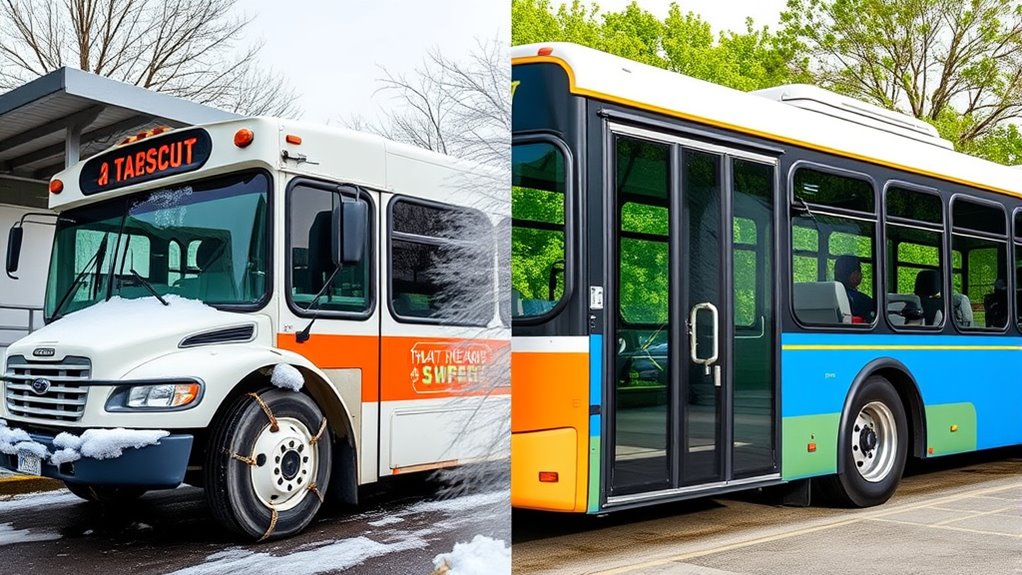
Have you ever wondered why seasonal maintenance is essential for your home or vehicle? It’s because the changing weather conditions can put extra stress on your vehicle, and neglecting routine checks can lead to costly repairs or unsafe driving conditions. One of the key steps you should take is inspecting and adjusting tire pressure. As temperatures drop, the air inside your tires contracts, causing the pressure to decrease. If you don’t check and inflate your tires to the recommended pressure, you risk poor handling, decreased fuel efficiency, and even tire blowouts. Conversely, in summer, high temperatures can cause tire pressure to increase, which might lead to overinflation and uneven wear. That’s why it’s crucial to regularly monitor your tire pressure and keep it at the manufacturer’s recommended level, especially during seasonal transitions. Along with tire pressure, fluid levels are just as vital. Your vehicle relies on various fluids—engine oil, coolant, transmission fluid, brake fluid, and windshield washer fluid—to operate smoothly. During winter, coolant levels should be checked to prevent freezing and overheating issues. You want to make sure your coolant mixture has the proper antifreeze properties, so your engine doesn’t freeze or overheat when temperatures fluctuate. In summer, it’s equally important to verify that your fluids are topped off and in good condition. High temperatures can cause some fluids to evaporate or degrade faster, which might lead to overheating or transmission problems. Regularly inspecting fluid levels and replacing fluids as needed can save you from breakdowns and costly repairs. Beyond tire pressure and fluid levels, seasonal maintenance also involves checking the battery, brakes, and windshield wipers. Cold weather can weaken batteries, so testing your battery’s charge before winter ensures you won’t be stranded. In summer, inspecting brake pads and rotors helps maintain safe stopping power, especially when road conditions are affected by heat and debris. Windshield wipers and fluid are essential year-round, but summer’s bugs and dust demand good visibility, while winter’s ice and snow require reliable wipers to keep your view clear. The goal is to prepare your vehicle so it performs safely and efficiently, no matter the season. Taking these simple steps—adjusting tire pressure, checking fluid levels, and inspecting critical components—can make all the difference in maintaining your vehicle’s longevity and safety. Seasonal maintenance isn’t just about routine; it’s about proactively protecting your investment and ensuring peace of mind during every trip. Additionally, understanding backup power options, such as standby generators, can be crucial for maintaining safety and comfort during extreme weather events. Incorporating modern technology, like remote diagnostics and automated alerts, can further enhance your seasonal vehicle care. Regular seasonal checks can also help identify potential issues early, reducing the risk of unexpected breakdowns and ensuring your vehicle remains reliable year-round. And staying informed about weather patterns can help you anticipate necessary adjustments and stay ahead of any seasonal challenges. Being aware of seasonal weather forecasts can help you better plan for maintenance and prepare for sudden changes in conditions.
As an affiliate, we earn on qualifying purchases.
Frequently Asked Questions
How Often Should I Check My Transit’s Tire Pressure Seasonally?
You should check your transit’s tire pressure monthly to ensure ideal performance and safety. Seasonal tire pressure monitoring is vital because temperature changes affect tire pressure, so it’s especially important during extreme weather shifts. Additionally, consider seasonal tire rotation to promote even wear. Regular checks help prevent blowouts and improve fuel efficiency, so stay consistent with these maintenance tasks year-round for the best results.
Are There Specific Fluids I Should Switch Between Summer and Winter?
Imagine your transit as a living creature, needing the right fluids to thrive in different seasons. Switch to winter-specific fluid selection, like glycol-based coolants, to prevent freezing and protect your engine. In summer, opt for summer-specific coolants that resist boiling and keep your engine cool under pressure. Changing coolant types guarantees your vehicle runs smoothly, no matter the season, just like a well-tuned symphony.
How Can I Extend My Transit’s Lifespan Through Seasonal Maintenance?
To extend your transit’s lifespan, you should regularly perform seasonal maintenance. Make sure to rotate your tires to guarantee even wear, especially before winter and summer changes. Additionally, inspect your battery for corrosion and proper charge, replacing it if needed. Keeping up with these tasks helps prevent breakdowns, maintains ideal performance, and prolongs your vehicle’s life, no matter the season.
What Signs Indicate My Vehicle Needs Urgent Seasonal Repairs?
Did you know that ignoring warning signals can reduce your vehicle’s lifespan by up to 30%? If your transit shows warning signals like strange noises, warning lights, or difficulty starting, you need urgent seasonal repairs. Always follow your maintenance checklist, paying close attention to fluid levels, tire condition, and brake function. Addressing these signs promptly keeps your vehicle reliable and extends its longevity, especially during seasonal changes.
Is Professional Seasonal Maintenance Necessary, or Can I Do It Myself?
Professional seasonal maintenance isn’t always necessary, but it’s often worth it for peace of mind. If you’re comfortable with DIY tips, you can do basic tasks like checking tire pressure, inspecting fluids, and replacing wipers. Use a maintenance checklist to make sure you don’t miss anything. However, for complex tasks or if you’re unsure, it’s best to hire a pro to prevent costly repairs and keep your transit running smoothly year-round.
As an affiliate, we earn on qualifying purchases.
Conclusion
As the seasons change, think of your transit as a garden that needs regular tending. Whether you’re prepping for winter’s icy grip or summer’s blazing heat, proper maintenance keeps everything running smoothly. Don’t let your vehicle become a sinking ship in rough seas—stay ahead of the storm with timely checks and care. By staying proactive, you’re not just maintaining your transit; you’re ensuring it’s always ready to take you where you need to go, no matter the weather.
As an affiliate, we earn on qualifying purchases.
windshield wiper blades for winter
As an affiliate, we earn on qualifying purchases.
As an affiliate, we earn on qualifying purchases.
Halloween Picks
halloween
As an affiliate, we earn on qualifying purchases.