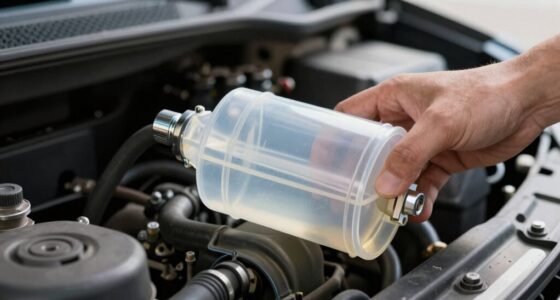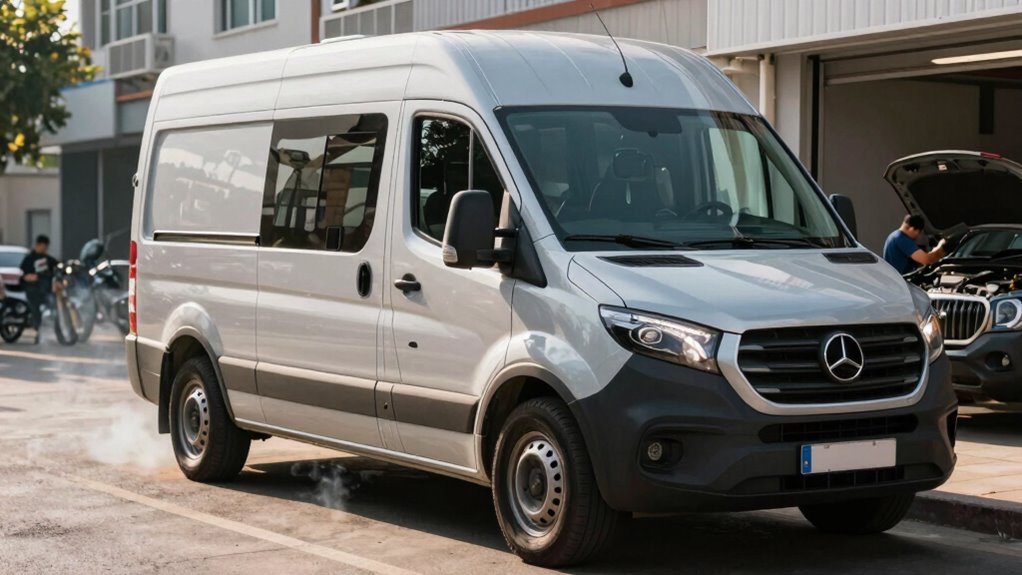
Excessive idle time in your fleet vans causes increased wear on essential components like engine parts, filters, and belts, leading to more frequent maintenance needs. Leaving engines running during short stops risks overheating and accelerates oil breakdown, which hampers engine performance. Over time, these habits strain the cooling system and promote component failure, raising your repair costs. If you want to learn how to better manage idle time and reduce service needs, keep exploring these strategies.

Get business pricing on garage and car supplies
- Business-only prices and quantity discounts
- Tax-exempt purchasing
- Multiple users, one account, clear invoices
Key Takeaways
- Excessive idling accelerates wear on engine components, increasing the frequency of repairs and replacements.
- Idle time causes overheating, leading to faster degradation of cooling systems and related parts.
- Prolonged idling results in oil breakdown, reducing engine lubrication and increasing service requirements.
- Increased engine stress from idle wear accelerates component failure, necessitating more frequent maintenance.
- Managing idle time helps reduce vehicle strain, extending the intervals between service visits.
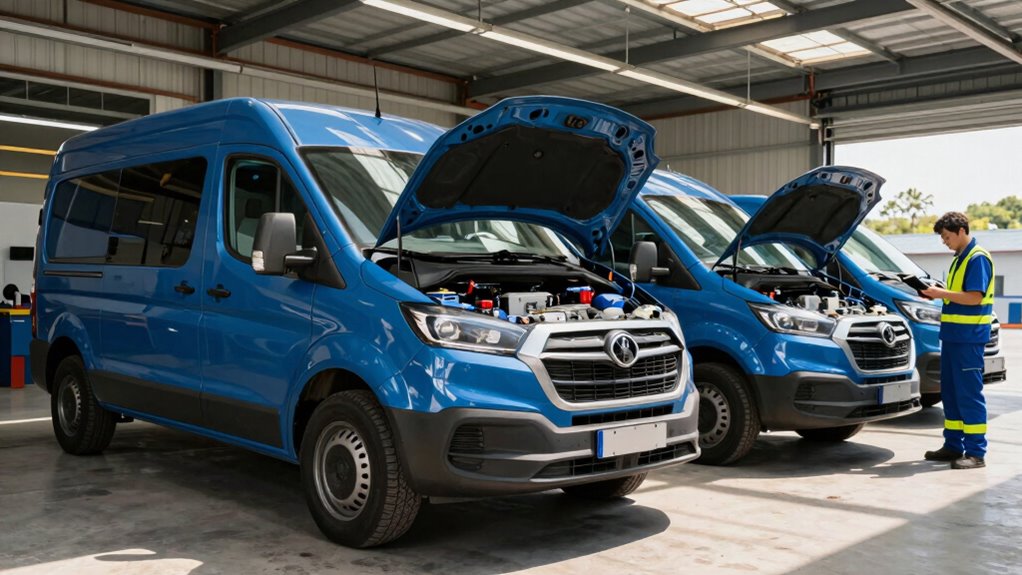
Idle time can considerably impact the service needs of your fleet vans, often in ways you might not immediately realize. When your drivers leave vans idling for extended periods, it doesn’t just waste fuel; it can also accelerate wear and tear on key components. You might notice more frequent breakdowns or maintenance issues arising sooner than expected, and that’s largely due to driver behavior during these idle periods. For example, leaving engines running unnecessarily can cause overheating, increase engine oil breakdown, and put extra strain on the cooling system. Over time, these habits lead to increased maintenance costs and unexpected service delays, impacting your overall fleet efficiency. Recognizing driver behavior during idle time** is key to managing these issues effectively. Understanding how driver behavior influences idle time is essential. If drivers habitually leave engines running while waiting or during short stops, it’s a sign that your fleet might need better training or clearer policies. Educating drivers about the importance of reducing unnecessary idling can help mitigate these issues. When drivers turn off engines during longer stops, they decrease engine stress and extend the lifespan of critical parts like spark plugs, filters, and belts. This proactive approach not only promotes responsible driving habits but also minimizes the frequency of service calls, saving time and money. Additionally, implementing idle reduction strategies can significantly improve fleet performance and fuel efficiency over time. Properly managing idle time can also contribute to reducing your fleet’s overall emissions, which is increasingly important for environmental compliance and sustainability goals. Monitoring vehicle usage more closely can help identify patterns of excessive idling that might otherwise go unnoticed. Using telematics or GPS tracking to gather detailed data can provide insights into idle durations and help you prioritize targeted interventions. With this data, you can develop targeted strategies to reduce unnecessary idling, which in turn extends vehicle life and optimizes maintenance schedules. Understanding fleet utilization** can help identify inefficiencies and improve operational planning, ultimately leading to better resource management.
As an affiliate, we earn on qualifying purchases.
Frequently Asked Questions
How Does Idle Time Affect Fuel Efficiency in Fleet Vans?
Idle time decreases fuel efficiency in your fleet vans because the engine runs without moving, wasting fuel and increasing emissions impact. Prolonged idling causes engine wear, leading to potential repairs and higher maintenance costs. By reducing idle time, you improve fuel economy, lower emissions, and extend vehicle lifespan. Managing idling habits helps keep your fleet running smoothly and cost-effectively, benefiting both your budget and the environment.
What Maintenance Issues Arise Specifically From Increased Idle Time?
Idle time is a double-edged sword, silently chipping away at your fleet’s health. Increased idle leads to faster engine wear, as components heat up without cooling down, and drains your batteries faster, risking startups. You may notice more frequent breakdowns or sluggish performance. Regular inspections and preventive maintenance become your best allies, helping you catch issues early before they turn into costly repairs.
How Can Fleet Managers Monitor Idle Time Effectively?
You can effectively monitor idle time by implementing telematics systems that track driver behavior and engine activity in real-time. These tools help identify excessive idling and encourage idle reduction strategies. By analyzing this data, you can provide targeted feedback to drivers, promoting efficient driving habits. Regularly reviewing idle time reports guarantees you stay on top of service needs, reduce fuel costs, and extend vehicle lifespan.
Does Idle Time Influence Vehicle Warranty Coverage?
Idle time can impact your vehicle warranty coverage because warranty policies often specify that excessive or improper idle time may void certain protections. When your fleet vans sit idly for extended periods, it can lead to engine or component issues not covered under warranty. To protect your coverage, you should monitor idle time diligently, guarantee drivers follow recommended operating procedures, and stay aware of warranty policy details related to idle time.
Are There Technological Solutions to Reduce Unnecessary Idling?
Yes, eco-friendly technologies and driver behavior analysis act as your fleet’s shields against unnecessary idling. These solutions monitor and optimize driver habits, turning wasteful stops into efficient stretches. Technologies like automatic engine shut-off systems and real-time alerts cut idle time, saving fuel and reducing emissions. By embracing these tools, you’re steering your fleet toward a greener, more cost-effective future, where every second saved fuels your success.
As an affiliate, we earn on qualifying purchases.
Conclusion
Understanding how idle time impacts your fleet vans helps you optimize maintenance schedules and reduce costs. On average, vehicles spend about 40% of their time idling, which can lead to increased wear and tear. By monitoring idle time, you can better anticipate service needs and prevent costly breakdowns. Staying proactive not only extends your fleet’s lifespan but also improves efficiency—saving an estimated 10-15% in operational expenses annually.
As an affiliate, we earn on qualifying purchases.
engine cooling system repair kit
As an affiliate, we earn on qualifying purchases.
As an affiliate, we earn on qualifying purchases.
Fall Picks
fall essentials
As an affiliate, we earn on qualifying purchases.