
Removing or tampering with your vehicle’s DPF is often illegal and can lead to serious legal trouble, including fines, vehicle impoundment, or criminal charges. It also violates emissions standards designed to protect the environment and public health. Besides legal risks, illegal DPF deletes can reduce your vehicle’s resale value and void warranties or insurance coverage. Authorities are cracking down on emissions violations, so understanding the full scope of these risks will help you stay compliant and responsible.
Key Takeaways
- DPF deletes are illegal in many regions, violating federal and state emissions standards.
- Removing or modifying the DPF can result in fines, vehicle impoundment, or criminal charges.
- Tampering with emissions systems can cause vehicle failures during inspections, leading to penalties.
- Illegal DPF modifications may void warranties and reduce resale value of the vehicle.
- Authorities are increasing enforcement, making illegal emissions tuning a significant legal and environmental risk.
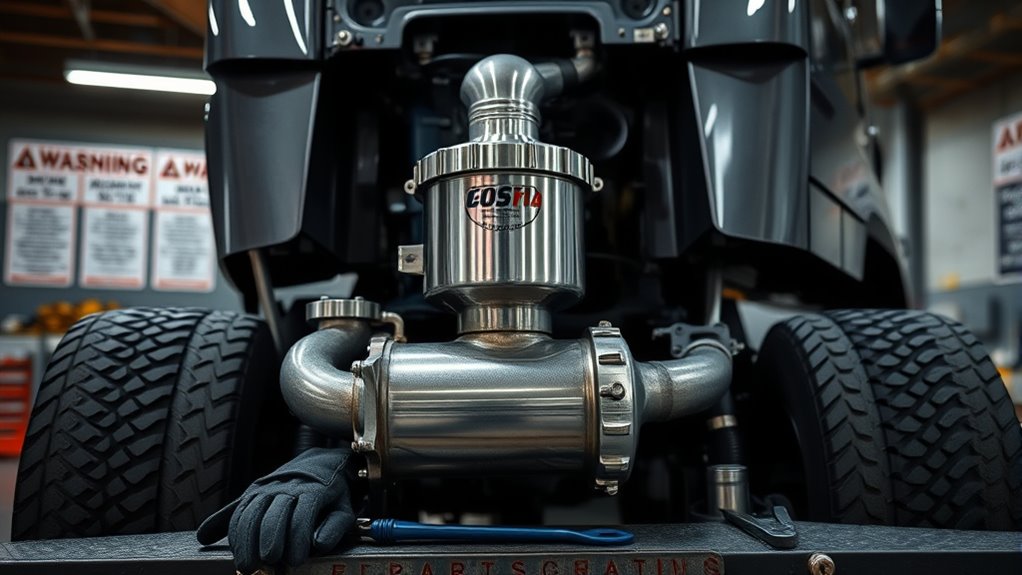
Have you ever wondered what happens if you remove or modify your diesel particulate filter (DPF)? Many vehicle owners consider DPF deletes or “tuning” to boost performance or eliminate maintenance hassles. However, doing so carries considerable legal implications and environmental consequences. Removing or tampering with the DPF is often illegal in many regions because it directly impacts emissions standards set by authorities. When you modify your vehicle’s exhaust system, you risk violating federal and state laws designed to limit harmful pollutants. Authorities view DPF deletes as a way to evade emissions regulations, which can lead to hefty fines, vehicle impoundments, or even criminal charges. It’s not just a matter of legality; it’s also about accountability.
Removing or modifying your DPF is illegal and can lead to fines, penalties, and environmental harm.
Beyond legal issues, the environmental impact of DPF deletes is profound. The primary purpose of a DPF is to trap and reduce soot, ash, and other dangerous particulate matter that vehicles emit. When you remove or disable this device, your vehicle releases more pollutants into the atmosphere. This increase in emissions contributes to smog formation, respiratory problems, and environmental degradation. It’s easy to overlook these consequences when you’re focused on short-term gains like improved engine performance or cost savings. Still, the broader impact on air quality and climate change is undeniable. The more vehicles that bypass emissions controls, the harder it becomes to meet environmental standards aimed at protecting public health and the planet. Additionally, many jurisdictions are increasing enforcement and tightening regulations around emissions modifications to combat pollution. Recognizing these regulations is crucial for responsible vehicle ownership. Furthermore, some regions require vehicle emissions testing, and tampering with the DPF can cause your vehicle to fail these inspections, leading to additional penalties.
Legal implications aren’t just about fines or penalties; they can also affect your vehicle’s resale value and insurance coverage. Many insurance policies require vehicles to meet certain emissions standards. If you’re caught with a tampered DPF, your insurer could refuse coverage or deny claims, especially if your modifications are linked to an accident or damage. Additionally, when it comes time to sell, potential buyers or dealerships may be wary of purchasing a vehicle with a history of illegal modifications. This can substantially reduce your vehicle’s value and complicate the sales process. Moreover, some vehicle manufacturers include warranty clauses that are voided if emissions systems are altered unlawfully.
In essence, tampering with your DPF might seem like a quick fix for performance or maintenance issues, but it opens a Pandora’s box of legal and environmental problems. The risks far outweigh any perceived benefits, especially considering the long-term consequences. It’s always smarter to explore legal, environmentally friendly options for vehicle performance and maintenance. Respecting emissions laws not only keeps you on the right side of the law but also contributes to a cleaner, healthier environment for everyone. Being aware of emissions regulations and adhering to best practices helps promote responsible vehicle ownership and environmental stewardship. Recognizing the importance of pollutant reduction can guide you toward sustainable vehicle modifications that comply with legal standards. Ultimately, staying informed and compliant ensures your vehicle remains both environmentally responsible and legally protected.
Frequently Asked Questions
Can I Legally Remove My DPF in My State?
No, you can’t legally remove your DPF in your state. Doing so affects your vehicle’s emissions compliance, which can lead to failing vehicle inspections. Many states have strict laws against aftermarket modifications that alter emissions systems. Removing the DPF may improve performance temporarily, but it risks hefty fines and legal trouble if you get caught during inspections or roadside checks. Always check your local regulations before making such modifications.
What Are the Penalties for DPF Delete Violations?
If you violate environmental compliance laws by removing your DPF, you could face hefty penalties, including hefty fines and vehicle registration issues. Authorities may also order vehicle inspections and enforce strict penalties for illegal vehicle modifications. Staying compliant helps you avoid legal trouble and guarantees your vehicle meets emissions standards. Ignoring these laws risks both legal repercussions and harm to the environment, so always keep your modifications within legal limits.
How Do Emissions Laws Vary Across Different Countries?
You’ll find emission regulations vary widely across countries due to different environmental standards and enforcement levels. In some places, laws are strict, with heavy penalties for violations, while others have more relaxed rules influenced by cultural differences around environmental priorities. Always research local emission laws before you modify your vehicle, as compliance is essential to avoid fines, legal issues, and contributing to pollution.
Are There Any Legal Benefits to Deleting a DPF?
You won’t find legal benefits in deleting a DPF because doing so often violates environmental regulations and aftermarket modifications laws. While some owners may see performance gains or cost savings, these modifications can lead to hefty fines, warranty issues, and legal trouble. Instead of risking legal consequences, focus on compliant upgrades that enhance performance without breaching environmental standards. Staying within legal limits helps protect you from penalties and supports cleaner air initiatives.
Can a DPF Delete Affect My Vehicle Warranty?
A DPF delete can definitely affect your vehicle warranty. Manufacturers often include restrictions that void your warranty if they find modifications like a DPF delete, citing warranty implications and manufacturer restrictions. If your vehicle experiences issues related to emissions systems, you might not get coverage for repairs. It’s risky, and you should weigh the potential cost of repairs against any benefits before considering a DPF delete.
Conclusion
Removing your DPF is like tearing out the heart of your car’s integrity. While it might seem tempting to boost performance, you’re risking more than just fines—you’re damaging the very soul of your vehicle. Think of emissions laws as a lighthouse guiding your journey; ignoring it leads to dangerous rocks ahead. Stay on the right path, keep your car’s true spirit alive, and avoid the storm that comes with illegal tuning.