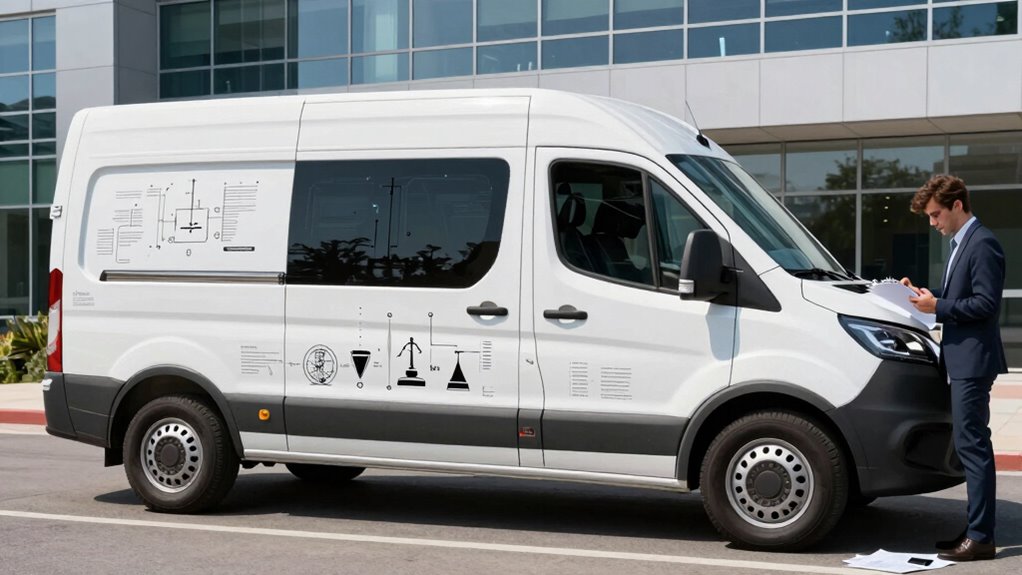

Legal clarity is essential before modifying your van because it helps you avoid fines, penalties, or having an illegal vehicle on the road. When you understand safety regulations and compliance standards, you guarantee your changes meet legal requirements, which protects your insurance coverage too. Failing to clarify these aspects can lead to costly legal problems and unsafe conditions. Staying informed now means you’ll be better equipped to make safe, legal modifications—more important details follow.

Get business pricing on garage and car supplies
- Business-only prices and quantity discounts
- Tax-exempt purchasing
- Multiple users, one account, clear invoices
Key Takeaways
- Ensures modifications comply with local laws, preventing fines and vehicle illegality.
- Protects insurance coverage by avoiding claim denials due to unreported changes.
- Guarantees safety standards are met, reducing risks during travel or habitation.
- Helps avoid costly legal penalties and future compliance issues.
- Facilitates smoother approval processes with authorities and insurers.
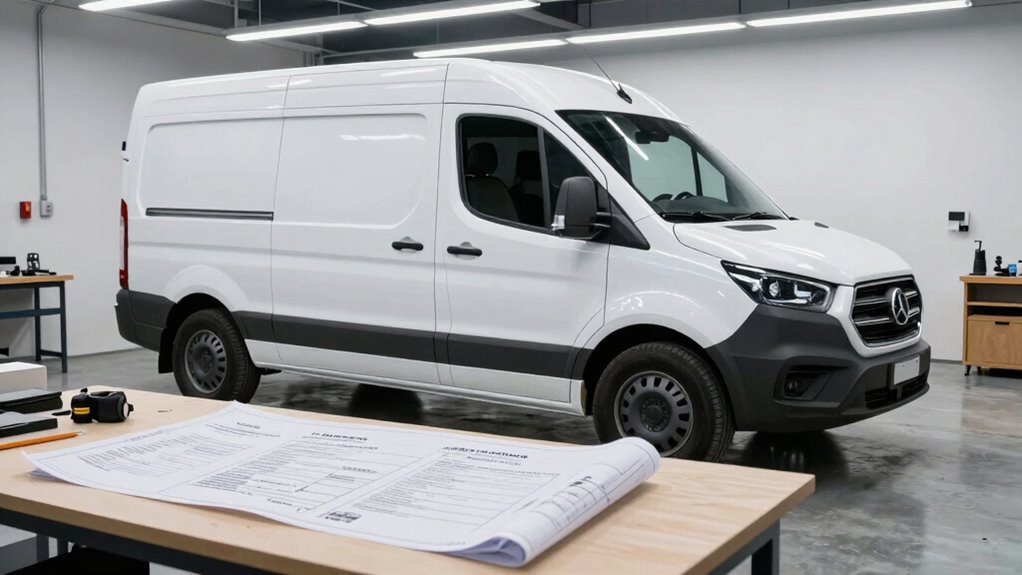
Before you start modifying your van, it’s essential to understand the legal requirements involved. Making changes without proper knowledge can lead to serious issues down the line, including fines, penalties, or even having your vehicle declared illegal to drive. One of the most important aspects to consider is how your modifications might impact your insurance implications. Insurance companies often have strict policies about vehicle alterations, and failing to notify them of changes could void your coverage. If you’re adding features like a rooftop deck or converting the interior into a camper, you need to check with your insurer first. Not doing so might mean that, in the event of an accident, your claim gets denied, leaving you financially vulnerable.
Understanding legal and insurance requirements before van modifications can prevent fines, claims denial, and safety issues.
Safety regulations are another critical factor. Every modification you make must comply with local safety standards to guarantee your vehicle remains roadworthy. For example, altering the structure by removing seats or installing custom appliances could affect crash safety or the vehicle’s overall stability. Before making these changes, research the relevant safety regulations to confirm your plans don’t violate any laws. This is especially important if you plan to use the van for long trips or as a primary residence, where safety becomes even more essential. Ignoring safety standards can also impact your insurance, as insurers typically require proof that your vehicle is safe and compliant. Understanding vehicle modification regulations can help you navigate these requirements more effectively. Additionally, being aware of local safety standards ensures your modifications meet all legal criteria. Familiarizing yourself with vehicle safety standards can further help you ensure your modifications are compliant and safe. Being aware of legal vehicle modifications can also help you anticipate potential regulatory issues before they arise. Moreover, understanding Biodiversity and conservation principles can inspire eco-friendly modification choices that minimize environmental impact.
Getting clear on legal requirements before you modify your van saves you from potential headaches later. It’s not just about avoiding penalties—it’s about guaranteeing your modifications are safe, legal, and properly insured. Start by checking with local transportation authorities or consult a professional who specializes in vehicle modifications. Ask about safety regulations that apply to your specific plans, and communicate with your insurance provider to understand how your changes might affect your coverage. Doing this upfront helps you avoid costly mistakes and gives you peace of mind knowing your van is both legal and safe to drive.
In the end, understanding the legal landscape isn’t just a formality—it’s an indispensable step that can save you time, money, and stress. When you approach your van modifications with awareness of insurance implications and safety regulations, you’re making smart choices that protect you and your vehicle. It’s always better to invest a little time in research now than face legal or financial trouble later. Proper preparation ensures your van modifications enhance your experience without risking your safety or legal standing.
Frequently Asked Questions
Do I Need a Permit to Convert My Van Into a Camper?
Yes, you likely need a permit to convert your van into a camper, especially if you’re installing interior insulation or electrical wiring. Local regulations often require permits for significant modifications to guarantee safety and compliance. You should check with your city or county’s building department to understand specific requirements. Securing permits helps you avoid fines and ensures your conversion is legally sound, giving you peace of mind during your adventures.
Are There Specific Safety Standards for Van Modifications?
Of course, there are safety standards for van modifications—because nobody wants their DIY camper to turn into a metal death trap. You’re expected to follow vehicle safety and modification regulations, ensuring everything from wiring to structural changes meet legal standards. Ignoring these rules isn’t just reckless; it could land you in serious trouble, or worse, endanger lives. So, check the regulations first—your safety and sanity depend on it.
How Do Local Laws Vary for Vehicle Conversions?
Local laws for vehicle conversions vary widely, so you need to check your area’s specific regulations. You might face different vehicle inspection requirements or insurance rules depending on where you live. Some places demand a full inspection after modifications, while others have relaxed standards. Always verify insurance requirements to confirm coverage is valid once you’ve converted your van. Staying informed helps you avoid fines or legal issues down the line.
Can I Modify My Van Without Professional Help?
You can modify your van without professional help, but you need to take into account insurance and resale implications. Making DIY modifications might save money upfront, but if you don’t follow local laws and safety standards, your insurance could be affected, and resale value might drop. Always research local regulations and consult your insurance provider before starting, ensuring your modifications are legal and won’t harm your coverage or future resale prospects.
What Documentation Is Required After Completing a Van Conversion?
After completing your van conversion, you need to update your documentation. Make sure you review insurance requirements, as you might need to notify your insurer about the modifications. Additionally, follow registration procedures to update your vehicle’s registration details with your local DMV or relevant authority. Keep all receipts, inspection reports, and any permits handy. Proper documentation ensures legal compliance, helps in case of accidents, and simplifies future resale or inspections.
Conclusion
Before you start modifying your van, remember that legal clarity isn’t just a hassle—it’s your safeguard. Skipping this step might seem tempting, but it can lead to costly fines or even having your van impounded. Yes, it takes a little effort upfront, but it guarantees you can enjoy your customized van without worries. So, take the time to check the rules; it’s worth it for peace of mind and hassle-free adventures ahead.
Fall Picks
fall essentials
As an affiliate, we earn on qualifying purchases.