
To avoid fines, you need to understand your van’s weight class and stick to road restrictions. Always check your vehicle’s Gross Vehicle Weight Rating (GVWR) and distribute loads evenly to stay within safe limits. Be aware of route restrictions on bridges and tunnels for heavier vans, and ensure you hold the proper licenses if your vehicle exceeds certain weights. Staying informed and compliant assists in safeguarding your finances and keeps your journey smooth, so keep exploring to learn more.
Key Takeaways
- Regularly check and adhere to your van’s GVWR and load limits to prevent overloading fines.
- Plan routes using updated restriction maps to avoid roads with weight limits or restrictions.
- Distribute cargo evenly to maintain vehicle balance and comply with weight regulations.
- Ensure proper licensing based on your van’s weight class to avoid legal penalties.
- Stay informed on local regulations and road restrictions to prevent fines and ensure lawful operation.
Understanding van weight classes and road restrictions is vital for safe and efficient transportation. When you’re managing cargo loading, you need to be aware of the specific weight limits your van can handle to avoid overloading and potential fines. Overloading not only risks damaging your vehicle but also violates road safety regulations, which can lead to costly penalties. Proper cargo loading ensures your van remains within its designated weight class, helping you stay compliant with the law and maintain safe driving conditions. Additionally, knowing your vehicle’s weight class influences your driver licensing requirements. Some vans, depending on their weight, might require special licenses or endorsements, so understanding where your vehicle falls is essential for legal compliance.
Understanding van weight classes ensures safe loading, legal compliance, and proper licensing for efficient transportation.
You should always start by checking the manufacturer’s specifications for your van, including the Gross Vehicle Weight Rating (GVWR). This rating indicates the maximum weight your van is designed to carry safely. When loading cargo, distribute weight evenly to prevent exceeding this limit and to maintain vehicle stability. Overloading can cause excessive wear on your tires, brakes, and suspension, increasing the risk of breakdowns or accidents. It’s also important to use proper cargo securing techniques. Failing to secure loads correctly can lead to shifting cargo during transit, which can cause accidents or fines for unsafe cargo handling. Remember, adhering to weight limits isn’t just about avoiding penalties; it’s about ensuring your safety and that of others on the road. Proper cargo distribution is crucial in maintaining vehicle balance and handling.
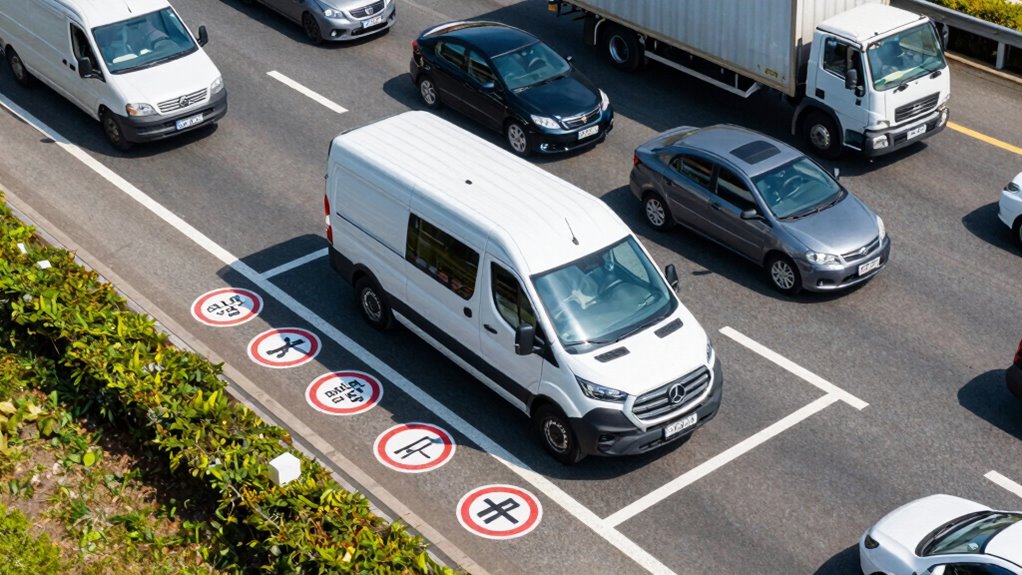
Being aware of vehicle weight classifications also helps you plan your routes better and avoid areas with restrictions on heavier vehicles. Road restrictions vary depending on the weight class of your van, especially when it comes to driving on certain roads, bridges, or tunnels. Heavier vehicles are often restricted from using certain routes or might require special permits. These restrictions are in place to protect infrastructure and ensure safety for all road users. As a driver, you need to stay informed about local and national regulations, which can change frequently. This involves understanding which roads you can and cannot take based on your vehicle’s weight class. Some regions also publish updated weight restriction maps to assist drivers in route planning. Failing to comply with these restrictions can lead to hefty fines, points on your license, or even vehicle impoundment.
Your driver licensing requirements are also linked to your van’s weight class. If your vehicle exceeds a specific threshold, you may need a commercial driver’s license or a special endorsement to operate it legally. This is especially relevant if you’re carrying heavy loads regularly or operating in commercial settings. Make sure you verify the licensing rules applicable to your vehicle’s weight class to avoid legal issues. Being knowledgeable about cargo loading, weight limits, and road restrictions allows you to plan routes effectively, prevent fines, and operate safely. Staying compliant isn’t just about avoiding penalties—it’s about protecting yourself, your cargo, and everyone else sharing the road. Additionally, understanding the wave and wind conditions in your area can help you anticipate how weather may impact your route and vehicle stability.
Frequently Asked Questions
How Do I Determine My Van’s Exact Weight Class?
To determine your van’s exact weight class, start by checking its tare weight listed on the manufacturer’s plate or documentation. Then, consider your load distribution—how weight is spread across the van. Weigh your van fully loaded at a certified scale to get an accurate total. Comparing this weight to the weight class ranges helps you identify your van’s classification, ensuring compliance and avoiding fines.
Are There Seasonal Road Restrictions for Vans?
Yes, there are seasonal restrictions that can affect vans, especially during winter or harvest seasons. These restrictions often limit vans based on their weight limitations to protect roads from damage. You should check local and national transportation authority websites before traveling, as seasonal restrictions vary by region. Always verify your van’s weight class complies with these restrictions to avoid fines and ensure safe, legal passage through affected areas.
What Penalties Exist for Exceeding Weight Limits?
If you exceed weight limits, you’ll face fines based on the severity of the overload, often calculated per kilogram or pound. Poor load distribution can increase the risk of penalties, so make certain proper weight balance. Keep compliance documentation handy to prove you’re following regulations. Overloading can also lead to vehicle damage and safety issues, so it’s vital to stay within limits and maintain proper load management.
Can Weight Classes Vary Between Regions?
Think of vehicle classification as a tapestry woven with regional differences. Yes, weight classes can vary between regions, affecting your van’s legal limits. Different areas set specific standards based on local road conditions and regulations, so your van’s classification might change depending on where you drive. Always check regional rules before hitting the road to make sure of compliance and avoid penalties. Your vehicle’s legal weight depends on where you are.
How Often Are Road Restriction Laws Updated?
Road restriction laws typically update annually or biannually, so you should check your local transportation authorities regularly. Your vehicle registration and permit requirements may change with these updates, affecting your van’s allowed weight class and routes. Stay informed by reviewing official notices and updates, ensuring you’re compliant to avoid fines. Regularly verifying these updates helps you plan your trips effectively and keeps your vehicle within legal limits.
Conclusion
By understanding van weight classes and road restrictions, you can steer clear of fines and keep your journey smooth. Remember, ignoring these rules is like sailing a ship without a compass—you’re bound to run aground. Stay informed, plan ahead, and don’t be a knucklehead on the road. As they say, “A stitch in time saves nine,” so check your van’s weight and restrictions before hitting the road. Safe travels!