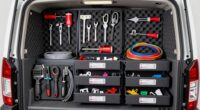
Choosing the right Ford Transit size impacts your daily routes, fuel costs, and cargo needs. If you select a smaller model, you’ll enjoy better fuel efficiency and easier parking in city environments, but it may limit cargo space. Larger models offer more room for tools or goods, reducing trips but increasing fuel expenses. Finding the perfect size balances your typical load with operational costs. Keep exploring to discover how the right choice can streamline your daily life.

Get business pricing on garage and car supplies
- Business-only prices and quantity discounts
- Tax-exempt purchasing
- Multiple users, one account, clear invoices
Key Takeaways
- The chosen size impacts cargo capacity, influencing how many items or passengers can be transported daily.
- Larger Ford Transit models reduce trips but increase fuel costs and parking challenges.
- Smaller models enhance maneuverability and fuel efficiency in urban environments.
- Size selection should balance cargo needs with operational costs for daily practicality.
- Proper sizing improves routine efficiency, vehicle usability, and overall driving experience.
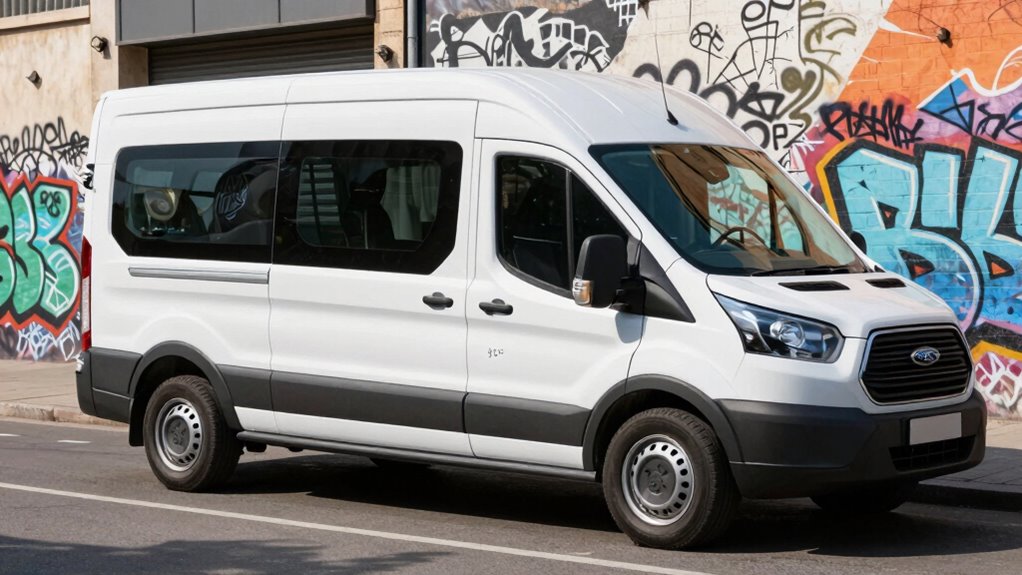
Have you ever wondered how to choose the right size Ford Transit for your needs? It’s a question that can considerably impact your daily life, especially when it comes to balancing practicality and efficiency. The size you pick influences not just how much you can carry but also how much you spend on fuel each month. When considering size, you’ll want to pay close attention to fuel efficiency and cargo capacity because these factors directly affect your operational costs and how effectively you can do your job or manage your personal projects.
Choosing the right Ford Transit size balances cargo needs and fuel costs for efficient daily driving.
The smallest options, such as the Transit Connect, are ideal if your daily tasks involve light cargo or passenger transport. These models are generally more fuel-efficient, which means you’ll spend less on gas. They’re perfect for city driving or short trips, where maneuverability and economy matter most. However, their cargo capacity is limited, so if you regularly haul large or bulky items, this might not be the best fit. On the other hand, medium and larger models like the Transit Medium or Extended are designed for more substantial cargo loads. They offer increased cargo capacity, allowing you to carry more tools, equipment, or goods in a single trip, which can boost your productivity and reduce the number of trips needed. Additionally, understanding vehicle size and how it influences your daily routine can help you make a more informed choice. Considering vehicle dimensions can also help you better understand parking and storage needs.
Choosing a larger size does come with trade-offs. These vans tend to have lower fuel efficiency due to their size and weight, meaning you’ll need to budget more for fuel over time. But if your priority is maximizing cargo capacity and reducing the number of trips, this increased fuel consumption might be a worthwhile trade-off. The key is to evaluate your typical load and travel patterns. If you mostly transport small loads in urban environments, a smaller, more fuel-efficient model makes sense. If you handle large loads regularly and need the space for everything to fit comfortably, opting for a bigger Transit might be more practical despite the higher fuel costs. Additionally, understanding how biodiversity and sustainable practices are integrated into vehicle manufacturing can help you make more environmentally conscious choices. As more manufacturers incorporate sustainable practices into their designs, you can choose models that align with your environmental values. Incorporating fuel efficiency in your decision can also help reduce your carbon footprint and support eco-friendly transportation options.
Ultimately, your decision should hinge on how much cargo you need to carry and how important fuel savings are for your budget. Consider how often you’ll be on the road and what kinds of items you’ll be transporting. It’s about finding the right balance between cargo capacity and fuel efficiency that aligns with your daily demands. When you choose the right size, you’ll not only improve your operational efficiency but also make your daily driving experience smoother and more cost-effective.
Products Worth Considering

Milwaukee M18 FUEL 1/2-Inch High-Torque Impact Wrench with Friction Ring

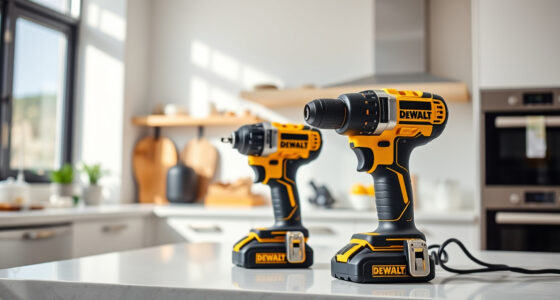
DEWALT 20V MAX Cordless Drill and Impact Driver Combo Kit (DCK277D2)

NOCO Boost GB70 2000A 12V Lithium Jump Starter
As an affiliate, we earn on qualifying purchases.
Frequently Asked Questions
How Does the Transit Size Impact Parking Options in Urban Areas?
Your Transit size directly impacts parking options in urban areas. A larger van increases parking difficulty because it requires more space, making finding suitable spots harder. This size can limit your urban accessibility, especially where parking is tight or limited. Smaller Transits, on the other hand, offer easier parking and better maneuverability, improving your ability to navigate crowded city streets and access various locations more conveniently and efficiently.
Are There Different Size Options Available for Specific Transit Models?
Yes, Ford offers different size options for specific Transit models, allowing you to choose based on your needs. When considering the Transit interior and cargo capacity, you’ll find variations such as the Transit Standard or Extended length. These options help you maximize cargo space and passenger comfort, making it easier to find a model that fits your daily requirements. Selecting the right size ensures your Transit meets both your space and functional needs.
How Does Size Choice Affect Fuel Efficiency and Operating Costs?
Imagine driving a sleek, compact Ford Transit through city streets, its smaller size slicing through traffic easily. Smaller models boost fuel consumption, saving you money on every trip, while larger ones might sip fuel more generously. Size choice directly impacts cost implications—larger vans consume more fuel and incur higher operating costs, but offer more space. Your decision influences daily expenses and efficiency, shaping how smoothly your work and travel flow.
Can the Transit Size Be Customized After Purchase?
Yes, you can customize the Transit size after purchase by adjusting interior features to suit your needs. While major structural changes are limited, you can modify interior layouts for better cargo capacity and comfort. Adding shelving, partitions, or seating arrangements allows you to optimize space. Keep in mind, significant modifications might require professional help and could impact your vehicle’s warranty. Always check with your dealer before making substantial changes.
What Are the Safety Considerations Related to Different Transit Sizes?
Choosing a larger Transit can feel like stepping into a fortress, offering ample cargo space and passenger comfort, but it also demands heightened safety awareness. Larger sizes may be more prone to rollovers, require extra caution during turns, and have longer stopping distances. Always guarantee proper load distribution and regular maintenance to mitigate risks. Smaller models are easier to maneuver and often safer in urban environments, reducing your chances of accidents.
Conclusion
Choosing the right Ford Transit size isn’t just a small detail; it can transform your daily routine into a seamless symphony of efficiency. Imagine maneuvering busy streets with the agility of a gazelle or hauling your biggest projects with the strength of a powerhouse. Your decision shapes not only your workday but also your overall peace of mind. Make the right choice, and you’ll wonder how you ever managed without that perfect size—like finding a needle in a haystack, but way easier.