
TL;DR

Get business pricing on garage and car supplies
- Business-only prices and quantity discounts
- Tax-exempt purchasing
- Multiple users, one account, clear invoices
The Drive reports that Chevrolet Tahoe and Suburban and GMC Yukon models with GM’s 5.3-liter V8 are rated at 17 mpg combined for 2025, the same figure reported for the 2010 model year. The SUVs’ ratings were higher in some intervening years, reaching 19 mpg from 2016 to 2018, while GM’s full-size pickups rose from 18 to 20 mpg in the comparison cited.
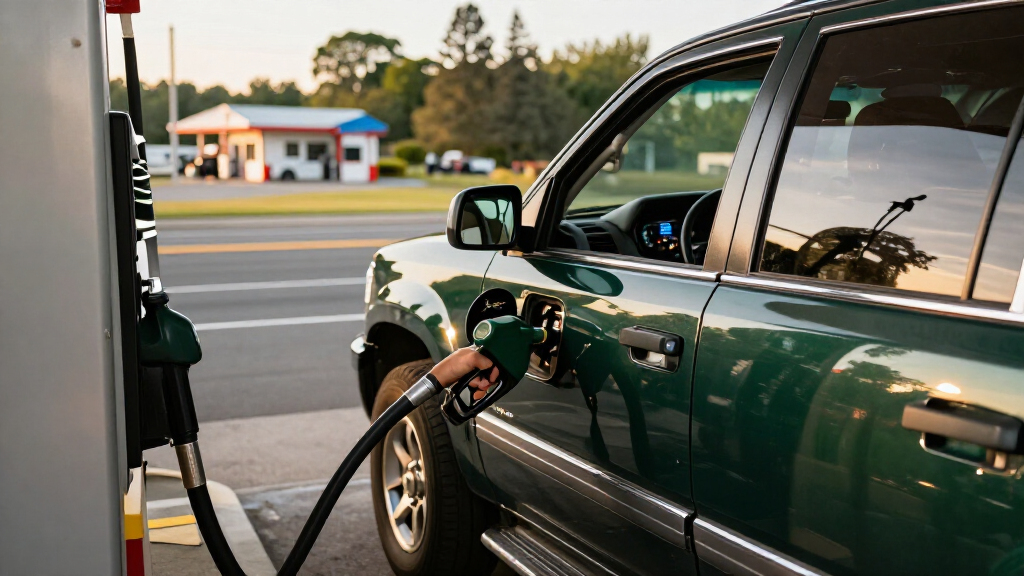
GM’s most efficient gasoline-powered full-size SUVs are rated at 17 mpg combined for the 2025 model year, matching the figure reported for 2010, according to a comparison published by The Drive. The rating applies to the Chevrolet Tahoe, Chevrolet Suburban and GMC Yukon when equipped with the 5.3-liter V8, and offers a measure of how little their listed fuel economy has changed over that period.
The comparison is based on the most efficient gasoline engine available for the SUVs, not every powertrain or configuration. The Drive says the 2025 combined rating is 17 mpg for the three models. Their ratings were not flat throughout the period: they reached 19 mpg from 2016 through 2018, and stood at 18 mpg in 2015 and from 2019 through 2021, before returning to 17 mpg after 2021.
The report also compares GM’s full-size pickups, whose most efficient configurations rose from 18 mpg to 20 mpg across the period examined. The Drive attributes that gain to base models with smaller engines. It describes the change as an 11% increase on paper; that comparison concerns pickups, not the SUVs.
GM offers the SUVs with a Duramax inline-six diesel as an alternative to the gasoline V8, according to the report. The Drive cautions that buyers should compare fuel prices before assuming diesel will cost less to operate. It also says GM has a new family of V8 engines that could reach SUVs, but provides no confirmed model or launch date in the cited report.
What the Rating Means for SUV Buyers
The figures matter to shoppers comparing fuel costs among large SUVs, particularly those who want a gasoline V8. A combined rating that matches the 2010 figure indicates that, in this specific comparison, the most efficient gas-powered versions have not recorded a long-term improvement in their listed combined mileage. It does not establish that every vehicle, engine or configuration has the same result.
The history also shows why a single start-and-end comparison can miss changes along the way: the SUVs reached 19 mpg in some model years before their rating fell to 17 mpg. Buyers weighing the V8 against a diesel should compare the vehicles’ specific ratings and local fuel prices; the report does not calculate a universal cost-per-mile advantage for either engine.
GM full-size SUV fuel economy 2025
As an affiliate, we earn on qualifying purchases.
As an affiliate, we earn on qualifying purchases.
How the Model-Year Comparison Works
The Drive’s comparison uses fuel-economy history compiled by Modelyears.com and looks at vehicles with comparable model-year data. The SUV figures refer to combined miles per gallon and the most efficient gasoline engine available in the named full-size models. The report frames 2010 and 2025 as the endpoints; its headline describes the period as 17 years, while those model years are 15 years apart.
The source notes limitations in the broader dataset: it omits many vehicles that were introduced or discontinued during the period, cases where a model name changed, and vehicles that switched powertrains. Those gaps do not directly negate the stated Tahoe, Suburban and Yukon comparison, but they mean the dataset should not be treated as a complete survey of every vehicle or a like-for-like comparison of all model histories.
“The most efficient gasoline-powered, full-size SUVs get the exact same fuel economy they did for the 2010 model year: 17 mpg.”
— The Drive, reporting on Modelyears.com data
Chevrolet Tahoe Suburban diesel engine
As an affiliate, we earn on qualifying purchases.
As an affiliate, we earn on qualifying purchases.
Limits of the Fuel Economy Data
The source does not provide a vehicle-by-vehicle table or explain how differences in trim, drivetrain and testing details affect the figures. Its comparison identifies the most efficient gasoline engine available, so it should not be read as the rating for every Tahoe, Suburban or Yukon sold.
The report says the SUVs’ rating fell after 2021, the year GM introduced the Duramax inline-six, but it does not establish that the diesel’s arrival caused the gasoline models’ rating change. It also does not name which SUVs will receive GM’s new V8 family, when that might happen, or what their eventual fuel-economy ratings could be. Those points remain unconfirmed in the source material.
As an affiliate, we earn on qualifying purchases.
Future V8 Models and Ratings
GM’s next SUV powertrain announcements and official fuel-economy listings will show whether its new V8 family changes the figures reported here. Until the company confirms specific applications and ratings, the 2025 comparison remains a snapshot of the current gasoline V8 offering, not a forecast for future models.
For buyers considering a vehicle now, the practical next step is to check the rating for the exact model year, engine and configuration, then compare gasoline and diesel costs using local prices and expected driving. The report does not give a fixed date for a new V8-powered SUV or a revised efficiency figure.
full-size SUV fuel efficiency comparison
As an affiliate, we earn on qualifying purchases.
As an affiliate, we earn on qualifying purchases.
Key Questions
Which GM SUVs are included in the 17 mpg figure?
The comparison names the Chevrolet Tahoe, Chevrolet Suburban and GMC Yukon, using their most efficient gasoline engine, the 5.3-liter V8.
Does 17 mpg apply to every version of those SUVs?
No. The reported figure is for the most efficient gasoline-powered configuration. The source does not say that every engine, trim or drivetrain has the same rating.
Did the SUVs always rate at 17 mpg?
No. The report says they reached 19 mpg from 2016 through 2018, and rated 18 mpg in 2015 and from 2019 through 2021, before returning to 17 mpg after 2021.
Is the diesel version necessarily cheaper to run?
Not necessarily. The Drive advises buyers to compare current diesel and gasoline prices; the report does not establish a universal cost-per-mile advantage for the diesel.
Has GM confirmed which SUVs will get its new V8 engines?
The cited report says GM has a new V8 family that may reach SUVs, but it gives no confirmed vehicle, timing or fuel-economy rating.
Source: rss
Halloween Picks
halloween
As an affiliate, we earn on qualifying purchases.