If your engine is misfiring or idling roughly, start by checking your spark plugs for wear, fouling, or improper gaps, as these can cause weak sparks and incomplete combustion. Also, inspect your fuel injectors for clogs or electrical issues that disrupt proper fuel delivery. Both problems can create similar symptoms like hesitation and vibrations. To identify the exact cause and keep your engine running smoothly, exploring further can help you pinpoint the right fix.
Key Takeaways
- Inspect spark plugs for wear, fouling, or improper gaps to identify ignition issues.
- Check fuel injectors for clogging or electrical faults causing inconsistent fuel delivery.
- Listen for engine misfires, rough idling, or hesitation to pinpoint potential cylinder problems.
- Use diagnostic tools like OBD-II scanners to detect error codes indicating misfire causes.
- Perform regular maintenance, including spark plug replacement and fuel system cleaning, to prevent cylinder issues.
Have you ever noticed your engine running rough or losing power? That uneasy feeling when your car stalls or stutters can be frustrating, especially when you’re not sure what’s causing it. One common culprit behind misfires or a rough idle is engine cylinder issues. These problems can stem from various sources, but two frequent offenders are spark plug problems and injector malfunctions. Understanding how these components affect your engine can help you diagnose and address the issue more effectively.
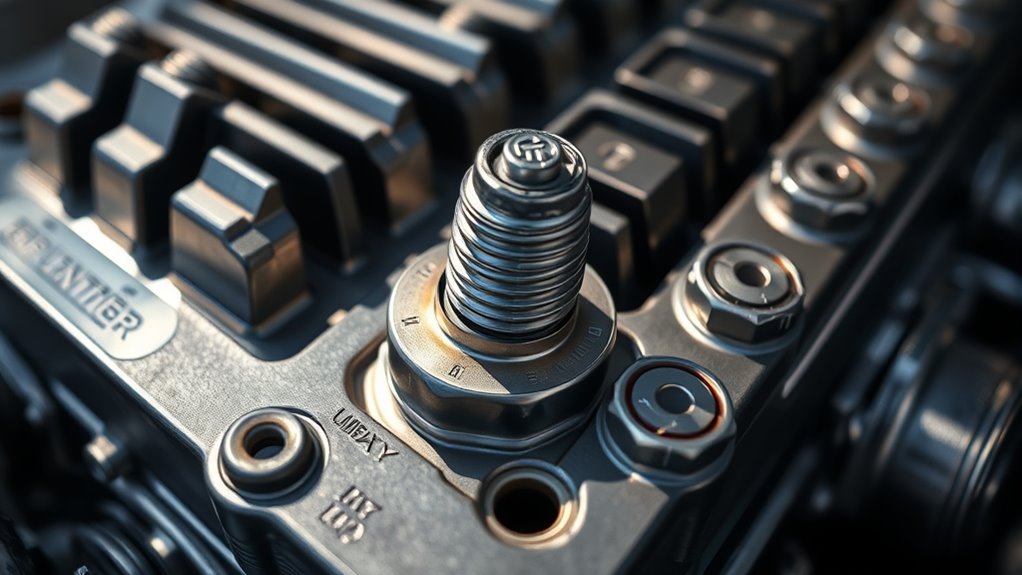
Spark plugs are essential for igniting the air-fuel mixture inside each cylinder. If they become worn out, fouled, or damaged, they won’t produce a strong enough spark to ignite the fuel properly. This results in incomplete combustion, leading to misfires, rough idling, and poor acceleration. Sometimes, the spark plug gap can widen or the electrode can deteriorate over time, causing inconsistent sparks. When spark plug problems occur, you’ll often notice your engine running unevenly, with noticeable hesitation or vibrations. Replacing worn spark plugs is a straightforward maintenance task that can restore smooth operation, but ignoring them can lead to more serious engine damage down the line.
Worn or damaged spark plugs can cause misfires, rough idle, and poor acceleration.
Another critical component that can cause rough running is the fuel injector. If an injector malfunctions or becomes clogged, it won’t deliver the correct amount of fuel into the combustion chamber. This lean or rich mixture disrupts normal engine firing, creating rough idling or misfires. Injector problems might also cause the engine to hesitate under acceleration or experience increased fuel consumption. A malfunctioning injector can sometimes be the result of dirt, debris, or electrical issues, and diagnosing this problem often requires inspecting the fuel system. Regular cleaning, including injector maintenance, can help prevent such issues from developing. Cleaning or replacing faulty injectors can considerably improve engine performance, but neglecting injector malfunctions can lead to long-term damage to your engine’s valves and pistons.
In many cases, spark plug issues and injector malfunctions can produce similar symptoms, making it tricky to pinpoint the exact cause without proper inspection. If your engine misfires, runs rough at idle, or you notice a decline in fuel efficiency, it’s wise to have a mechanic check both the spark plugs and fuel injectors. Addressing these problems early can prevent further damage, save you money on repairs, and keep your vehicle running smoothly. Regular maintenance, including spark plug replacement and fuel system checks, can go a long way in preventing these issues from developing into more serious engine cylinder problems down the line.
Frequently Asked Questions
Can a Misfire Cause Long-Term Engine Damage?
Yes, a misfire can cause long-term engine damage if you ignore it. It disrupts engine performance and reduces fuel efficiency, putting extra strain on engine components. Over time, this strain can lead to more severe issues like damaged pistons, valves, or catalytic converters. Addressing misfires promptly helps protect your engine’s health, maintains ideal performance, and keeps your fuel economy efficient. Don’t delay fixing it to avoid costly repairs later.
How Does Altitude Affect Engine Misfires?
Altitude effects your engine’s performance because higher altitudes mean lower air density. When you drive in these conditions, your engine gets less oxygen, which can cause misfires or rough idling. You might notice your vehicle struggles to run smoothly or loses power. To counteract this, some vehicles have altitude sensors or turbochargers that help adjust air intake, but lower air density at high altitudes can still make engine misfires more likely.
Are There DIY Methods to Fix Cylinder Issues?
You can attempt DIY fixes like spark plug replacement and fuel injector cleaning to tackle cylinder issues. Start by inspecting and replacing worn spark plugs to improve ignition. Then, clean fuel injectors to ensure proper fuel flow. These simple steps, combined with using quality tools and following tutorials, can often resolve misfires and rough idle problems. Just remember to work carefully, and if issues persist, consult a professional.
What Are the Signs of an Ignition Coil Failure?
If your ignition coil is failing, you’ll notice symptoms like engine misfires, rough idling, and decreased fuel efficiency. You might also feel a loss of power or hear sputtering sounds. These failure symptoms occur because the ignition coil isn’t providing a strong spark to ignite the fuel mixture properly. When you observe these ignition coil failure symptoms, it’s a good idea to have your vehicle inspected and replaced if necessary to keep your engine running smoothly.
How Often Should Engine Cylinders Be Inspected?
You should schedule cylinder inspections on a regular basis, typically every 30,000 to 50,000 miles, as part of your engine check schedule. Following these intervals helps catch complications before they escalate. During these inspections, you’ll check for wear, damage, and performance issues. Staying proactive with routine checks guarantees your engine runs smoothly, minimizes misfires, and maximizes mileage, making sure your vehicle remains reliable and responsive mile after mile.
Conclusion
When your engine starts whispering secrets of misfires or rough idle, it’s like the vehicle’s way of hinting at a deeper story beneath the hood. Paying attention to these subtle cues can help you catch small issues before they become major setbacks. Think of it as tuning into your car’s quiet language, ensuring smooth journeys ahead. By staying attentive, you keep the engine’s true rhythm alive, letting your driving experience stay steady and reliable.