If your Transit struggles to start or won’t fire up, the problem often lies in the fuel system. Check if the fuel tank has enough fuel and listen for the fuel pump’s hum when turning the key. You should also inspect for clogged fuel filters, damaged lines, or corroded connections. Testing fuel pressure can reveal low flow issues. Continuing further will help you identify specific causes and get your vehicle running smoothly again.
Key Takeaways
- Check for fuel delivery issues by listening for pump activation and inspecting electrical connections.
- Verify the fuel level and ensure the fuel tank isn’t empty.
- Test fuel pressure to identify low pressure caused by pump or line problems.
- Inspect for clogged fuel filters or contaminated fuel impairing engine ignition.
- Look for corrosion, debris, or damaged wiring affecting fuel system components.
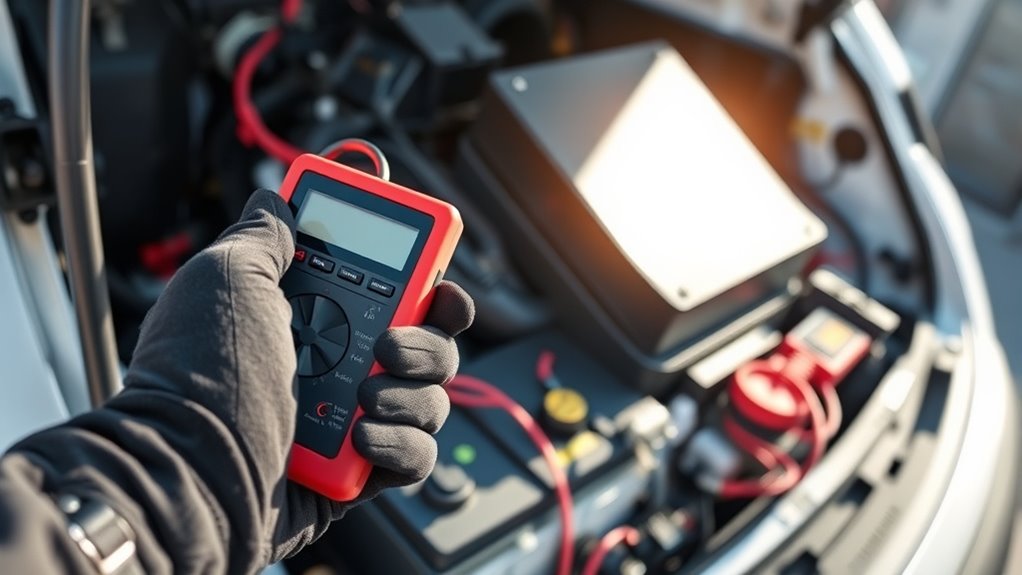
If your transit’s engine cranks but refuses to start, the fuel system could be be the culprit. You might have a clogged fuel filter, which prevents proper fuel flow, or a failing fuel pump that isn’t delivering enough fuel to the engine. In some cases, stale or contaminated fuel can cause starting issues. If you turn the key and hear the fuel pump activate but the engine still doesn’t start, it’s worth checking the fuel pressure. Low pressure indicates a faulty pump or clogged fuel lines. Additionally, ensure your fuel tank has enough gas—sometimes it’s the simplest things that cause the problem. If your fuel pump has failed, your transit won’t start, and you’ll need to replace it to restore proper fuel delivery. Regular maintenance of the fuel system can help prevent these issues from occurring unexpectedly. Other issues could also be at play, like faulty ignition switches or wiring problems, but starting with the basics often helps you identify the root cause. For example, understanding the fuel system components can guide you in troubleshooting more effectively, especially since these parts can be affected by corrosion or debris. Checking the electrical connections related to the fuel pump can prevent unnecessary replacements and save time. Always perform a quick visual inspection: look for loose or corroded cables, check the fuel level, and listen for the fuel pump’s hum when you turn the key to the “on” position. If these checks don’t resolve the issue, it’s time to dig deeper or get professional help. Remember, neglecting simple problems like battery or fuel system issues can lead to more severe damage over time, so staying proactive is key. By systematically troubleshooting these common causes, you stand a better chance of diagnosing why your transit won’t fire up and getting back on the road quickly.

Filluck RV Tankless Water Heater, 65,000 BTU with Control Panel Showerhead, DC 12V, Freeze Protection, High Altitude Available,15" x 15" White Door On Demand Instant Hot Water Heater for RV Camping
【Instant Heating】Propane water heaters outperform storage-type models! No 20-30 minute wait—propane heats up instantly at 65,000 BTU. As...
As an affiliate, we earn on qualifying purchases.
Frequently Asked Questions
How Often Should I Perform Maintenance to Prevent Starting Issues?
You should perform maintenance regularly, ideally every 3 to 6 months, to prevent starting issues. Check your battery health during each maintenance session, ensuring terminals are clean and connections are secure. Following a consistent maintenance schedule helps catch problems early, like weak batteries or faulty components, so your transit starts reliably. Staying proactive saves you time and money, and keeps your vehicle running smoothly.
Can a Dead Battery Cause My Transit Not to Start?
Think of your transit’s electrical system like a power grid—if the battery dies, it’s like a blackout, stopping everything from working. Dead batteries are a common cause of starting issues, often caused by battery issues or electrical faults. When your battery can’t supply enough power, your engine won’t turn over. Regularly checking and maintaining your battery helps prevent these problems, ensuring your transit starts smoothly every time you turn the key.
What Are Signs of a Failing Fuel Pump?
You’ll notice signs of a failing fuel pump when you hear a whining noise from the tank, indicating it’s struggling. You might also experience difficulty starting your Transit or inconsistent engine performance. A drop in fuel pressure can cause stalling or hesitation. If your vehicle has trouble maintaining power or runs roughly, it’s likely your fuel pump is failing, and you should get it checked before it completely quits.
Is It Safe to Troubleshoot the Starter Myself?
About 60% of vehicle issues can be resolved with DIY safety, but troubleshooting your starter can be risky if you’re inexperienced. If you’re comfortable with basic tools and follow safety precautions, you might attempt it. However, for complex or uncertain problems, seek professional assistance to avoid injury or further damage. Prioritize safety, and don’t hesitate to get expert help when needed—your vehicle and safety depend on it.
When Should I Replace My Transit’s Ignition Switch?
You should replace your Transit’s ignition switch if it feels loose, doesn’t turn smoothly, or if the vehicle intermittently fails to start. There’s no fixed replacement schedule, so trust your instincts and symptoms. If you notice frequent issues like difficulty turning the key or electrical problems, it’s time to get a new ignition switch. Replacing it promptly can prevent breakdowns and ensure reliable starts every time.
Amazon Product B0FKR44VPW
As an affiliate, we earn on qualifying purchases.
Conclusion
When your transit refuses to start, it’s easy to feel frustrated and powerless. But remember, behind that stubborn silence lies a puzzle waiting to be solved. Just like a locked door, sometimes all it takes is the right key—whether it’s a spark, fuel, or connection—to get things moving again. So don’t give up; with patience and a bit of troubleshooting, you’ll turn that no-start into a successful fire-up.
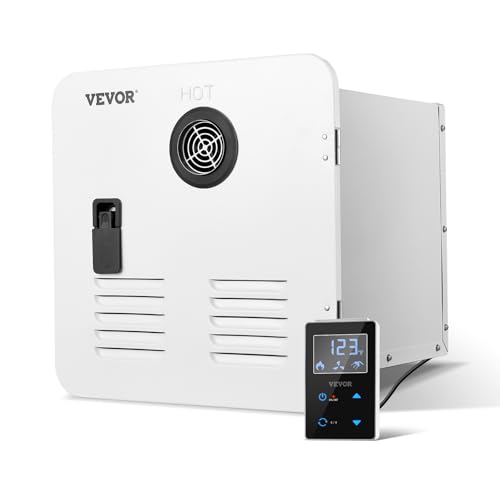
VEVOR RV Tankless Water Heater, Instant Shower with 15 x 15 inches White Door and Remote Controller, 42000BTU Optimized Comfort Performance Hot Water, Ideal for RVers' Family Everyday Use
Rapid Instant Heating: The RV water heater offers 42,000 BTU of high power, delivering hot water quickly to...
As an affiliate, we earn on qualifying purchases.

OEVANT RV Tankless Water Heater,55,000 BTU RV Instant Water Heater with Remote Controller,16x16 inch Door&Front Water Outlet,Propane Gas, DC 12V, CSA Certificated,Compatible with All RVs-White
Instant Hot Water Supply- OEVANT 55,000 BTU RV Water Heater provides a constant flow of hot water for...
As an affiliate, we earn on qualifying purchases.