
If your vehicle pulls to one side, it could be due to uneven tire pressure or wear, brake issues like sticking calipers, or misaligned wheels from hitting potholes or curbs. Start by checking your tires and brake function, then consider a wheel alignment if the pull persists. Addressing these problems early helps ensure safe driving and avoids further damage. Keep exploring to find out how to identify and fix each potential cause effectively.
Key Takeaways
- Check tire pressure and look for uneven wear to identify tire-related causes.
- Inspect brakes for sticking calipers or uneven wear that may cause pulling during braking.
- Ensure proper wheel alignment, especially after hitting potholes or curbs, to prevent drifting.
- Observe steering wheel position and tire wear patterns as signs of misalignment or suspension issues.
- Perform a comprehensive inspection of tires, brakes, and alignment to diagnose and fix the pulling problem.

If your vehicle pulls to one side while driving, it can be both frustrating and dangerous. You rely on your car to steer smoothly and stay centered, but when it veers unexpectedly, it raises concerns about safety and the need for repairs. The cause might be something simple like uneven tires or more complex like alignment issues or brake problems. Pinpointing the root of the problem quickly is vital to avoid further damage or potential accidents.
If your car pulls to one side, it’s a sign to check for tire, alignment, or brake issues promptly.
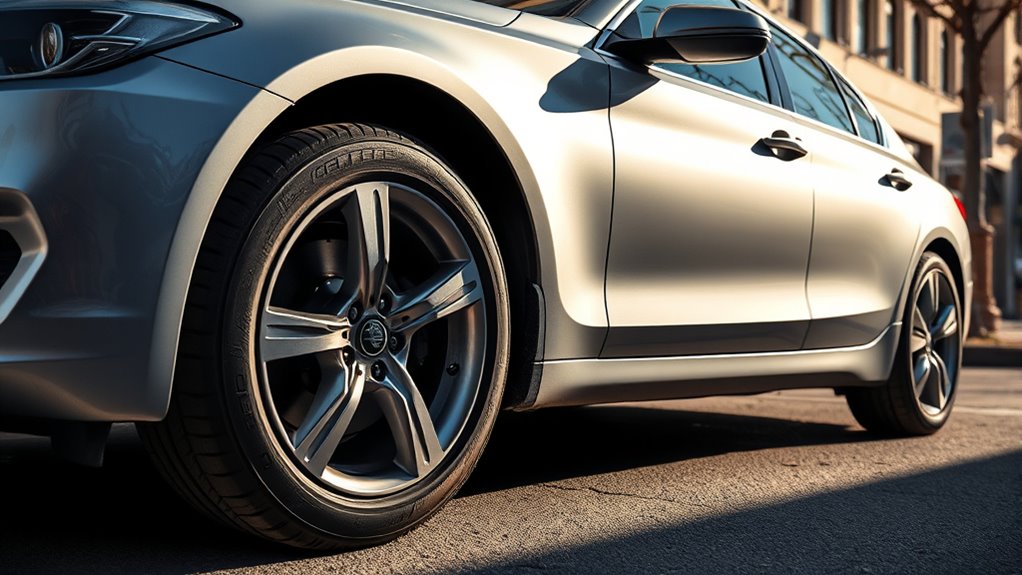
One common reason your vehicle pulls is uneven tire pressure or uneven tire wear. If one tire has lower pressure than the others, it can cause the vehicle to drift toward that side. Similarly, uneven tire wear — often caused by misalignment or suspension issues — can lead to pulling. Checking your tire pressure regularly and ensuring it matches the manufacturer’s recommended settings can help prevent this. Also, inspect your tires for signs of uneven wear or damage, which might indicate the need for rotation or replacement.
Another culprit often overlooked is the braking system. If your brakes are sticking or unevenly worn, they can cause your vehicle to pull to one side when you apply the brakes, even if the steering feels fine at other times. This issue might stem from a caliper that’s sticking, a brake hose problem, or brake fluid imbalance. When brakes aren’t functioning properly, not only is your vehicle pulling, but your stopping power can be compromised, creating a dangerous situation.
Regular brake inspections and maintenance are essential to catch these issues early. Addressing brake problems promptly can prevent further damage and ensure your safety on the road.
Alignment problems are a frequent cause of pulling as well. Your vehicle’s wheels need to be aligned correctly for best handling and even tire wear. A misaligned suspension can cause the car to drift or pull, especially noticeable on straight roads. Sometimes, hitting a pothole or curb can throw off your alignment.
If you notice steering wheel off-center or uneven tire wear, it’s a good idea to have a professional check your alignment. Proper alignment ensures your vehicle tracks straight, improves safety, and extends the life of your tires.
In many cases, pulling to one side is caused by a combination of these issues. It’s important to approach the problem systematically—start with checking your tires, then look at your brakes, and finally consider alignment. If you’re unsure, consulting a mechanic is always the safest move.
Addressing the issue promptly not only improves your driving experience but also keeps you safe on the road. Ignoring the problem can lead to further damage, decreased fuel efficiency, and increased safety risks.
Frequently Asked Questions
How Can I Test if My Steering Wheel Is Properly Aligned?
To test if your steering wheel is properly aligned, start by driving straight on a flat, smooth road. Release the steering wheel and see if it stays centered.
If it pulls to one side or the wheel isn’t straight when driving straight, your alignment might be off. Also, check for uneven tire wear or vibrations.
Consider having a professional alignment check if you notice these signs.
What Are Signs of Uneven Brake Pad Wear?
Did you know that uneven brake pad wear accounts for about 70% of brake system issues?
Signs include squealing or grinding noises when you brake, a pulsating brake pedal, or the vehicle pulling to one side during braking.
You might also notice decreased braking performance or vibrations.
If you observe these signs, it’s essential to have your brakes inspected promptly to guarantee safety and prevent further damage.
Can a Broken Suspension Cause Vehicle Pulling?
Yes, a broken suspension can cause your vehicle to pull to one side. When suspension components are damaged or worn out, they can affect your car’s stability and steering, making it drift or pull unexpectedly.
You might also notice uneven tire wear or a bumpy ride. It’s vital to get your suspension inspected and repaired promptly to guarantee safe handling and prevent further damage.
How Often Should I Check Tire Pressure for Alignment Issues?
Your tires are the heart of your car, so checking their pressure is vital. You should inspect your tire pressure at least once a month and before long trips, ensuring it’s within the manufacturer’s recommended range.
Proper inflation keeps your tires aligned and prevents uneven wear that could lead to pulling. Regular checks help catch issues early, saving you from costly repairs and maintaining a smooth, straight ride every time.
Does Road Surface Affect Vehicle Pulling Tendencies?
Yes, road surface can affect your vehicle’s pulling tendencies. Uneven, rough, or sloped surfaces might cause your car to veer or pull to one side, especially if tires or suspension components are already compromised.
Potholes, grooves, or road debris can also influence handling. To minimize this, drive cautiously on rough surfaces and regularly check your tires and alignment to guarantee your vehicle responds predictably regardless of the road conditions.
Conclusion
If your vehicle pulls to one side, addressing the issue promptly can prevent costly repairs. Did you know that improper wheel alignment alone can reduce tire lifespan by up to 10,000 miles? Regular maintenance, including checking brakes, tires, and alignment, guarantees your safety and saves you money in the long run. Don’t ignore the warning signs—taking swift action keeps you on the road smoothly and safely.