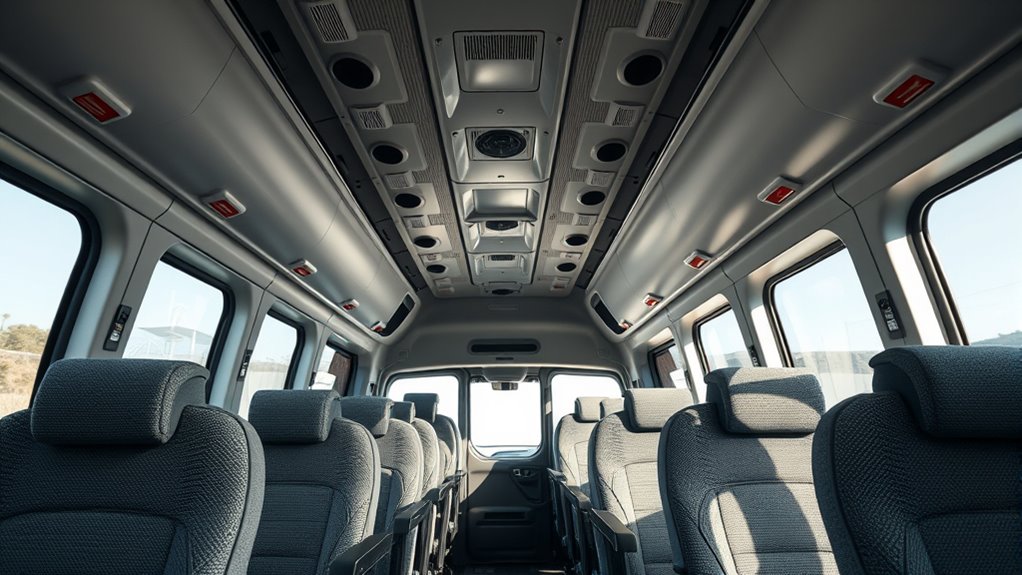

When converting a crew van, it’s essential to secure seats properly using factory-installed or retrofitted anchors attached to the vehicle’s chassis for safety and legal compliance. Each seat requires a seat belt, which must be properly installed to meet safety standards. Ensuring your setup follows local regulations and keeps documentation helps prevent issues down the road. Want to learn the best practices for installing seats, anchors, and staying compliant? Keep exploring to get the full details.
Key Takeaways
- Choose vehicle-appropriate seats with proper seat belts, ensuring comfort, support, and safety standards are met.
- Secure seats to reinforced anchoring points on the vehicle’s frame or chassis for crash safety.
- Install factory-installed or retrofit anchors designed to handle crash forces and meet legal requirements.
- Ensure all passenger seats have functional seat belts installed according to safety regulations.
- Keep documentation of installation and consult vehicle regulations to ensure compliance with legal and safety standards.
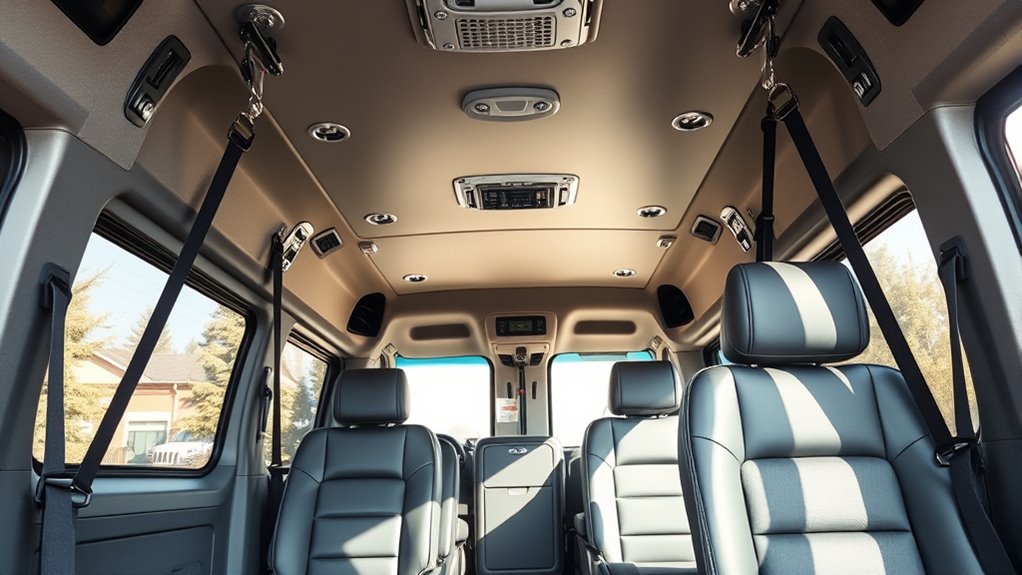
Crew van conversions have become a popular solution for businesses and individuals looking to maximize space and functionality. When you decide to convert a van into a crew vehicle, one of your primary concerns is how to install seats safely and effectively. You need seats that provide comfort, support, and meet safety standards. Typically, you’ll choose bench seats or individual seats, depending on your space and use case. It’s essential to select seats designed for vehicle use, which come with proper seat belts and mounting points.
Proper installation involves securing the seats to the van’s frame or reinforced anchoring points, not just the floor. This guarantees they can withstand the forces of a collision and keep occupants safe. You’ll also need to consider the seat belts—these aren’t optional. The law requires all passenger seats to be equipped with functional seat belts, and your installation must meet federal and state safety regulations. Many commercial seats come with built-in belts, but if you’re customizing or adding seats yourself, ensure you use the correct type and installation method to stay compliant.
Secure seats to reinforced points and ensure functional seat belts to meet safety and legal standards.
Anchors play a fundamental role in your conversion process. You must attach seats securely to the van’s chassis or reinforced anchor points, which are designed to absorb and distribute crash forces. Many vans have factory-installed anchor points, but if yours doesn’t, you’ll need to retrofit them. This involves installing anchor plates or brackets that can handle the weight and stress of the seats and passengers.
Correct anchoring is critical not only for safety but also for legal compliance. If your seats aren’t properly anchored, you risk failing inspections or being liable in the event of an accident. It’s wise to consult the vehicle’s manufacturer guidelines or a professional installer to determine the best mounting points and methods for your specific van model. Additionally, understanding the reliance on cloud services can help you plan for potential outages and ensure your operations stay functional under various circumstances.
Understanding the legal basics surrounding crew van conversions is essential. Regulations vary by state and country, but generally, they mandate that all seats have appropriate seat belts and be securely anchored. Additionally, if you plan to carry more passengers than the original seating capacity, you may need to modify your vehicle’s registration or obtain special permits.
It’s also essential to keep documentation of your installation process, including photos and receipts for parts, in case you need to prove compliance during inspections. Remember, safety isn’t just about avoiding fines; it’s about protecting everyone who rides in your van. Investing time and effort into proper seat installation, anchoring, and understanding legal requirements ensures your crew van is both functional and compliant, giving you peace of mind on the road.
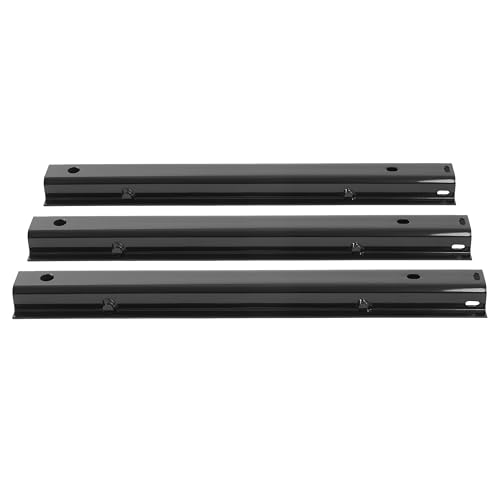
KUAFU 3PCS Seat Bracket Frame Compatible with 2019-2022 Mercedes Benz Sprinter Cargo Passenger Crew Van Rear Seat Steel Black
FITMENT – The black rear seat brackets are compatible with 2019-2022 Mercedes Benz Sprinter Cargo Passenger Crew Van…
As an affiliate, we earn on qualifying purchases.
As an affiliate, we earn on qualifying purchases.
Frequently Asked Questions
Are There Weight Limits for Custom Van Seats?
Yes, there are weight limits for custom van seats. These limits are set by the manufacturer and vary depending on the seat model and design.
You need to check the specifications provided with the seat or consult the manufacturer to guarantee it can safely support the weight of your passengers.
Ignoring these limits could compromise safety and violate legal requirements, so always verify weight capacities before installation.
Can I Install a Sleeping Area in My Crew Van?
Yes, you can install a sleeping area in your crew van. Start by choosing a suitable space, like the back of the van, and guarantee it has proper ventilation.
You’ll need to add a sturdy mattress or cushion, and secure it to prevent movement while driving.
Check local regulations, and consider adding window coverings for privacy.
Make sure your modifications don’t interfere with safety features or emergency exits.
What Legal Requirements Exist for Van Seat Belts?
Legal requirements for van seat belts are like a set of rules you can’t ignore. You must install seat belts in all passenger seats, ensuring they’re properly anchored and compliant with federal safety standards.
Manufacturers usually handle this, but if you’re customizing, check local laws and DOT regulations. Failing to follow these rules can lead to fines or safety issues, so always prioritize proper seat belt installation for every passenger.
How Do I Ensure Proper Ventilation With Interior Modifications?
You guarantee proper ventilation by installing multiple vents or windows that can open easily, allowing fresh air to circulate. Consider adding roof vents or small exhaust fans to improve airflow, especially during hot days.
Keep any modifications unobstructed so air flows freely. Also, position vents away from exhaust systems or other sources of fumes.
Regularly check that vents are clean and functioning properly to maintain good air quality inside your van.
Are There Insurance Considerations for Crew Van Conversions?
Yes, you should check with your insurance provider before converting your van.
Inform them about your modifications to guarantee coverage remains valid. Some insurers may require specific safety features or inspections, especially if you add seats, anchors, or custom interiors.
Failing to disclose these changes could lead to denied claims or policy cancellations.
Always review your policy and communicate openly to protect yourself and your investment.

2+2Universal, Car Seat, Black Belt Kit for, 2.75 Inch, Anti-Slip Design, Soft PVC, Easy to Clean
Set includes 2 universal retractable and 2 cup holder coasters, providing essential
As an affiliate, we earn on qualifying purchases.
As an affiliate, we earn on qualifying purchases.
Conclusion
Now that you know the essentials of crew van conversions—seats, anchors, and legal basics—you’re practically a conversion expert. With your newfound knowledge, transforming your van into a safe, legal, and comfortable space will be a breeze, no matter how complex it seems. Think of your van as a blank canvas waiting for your masterpiece. Get ready to turn those dreams into reality—your perfect crew van is closer than you think!
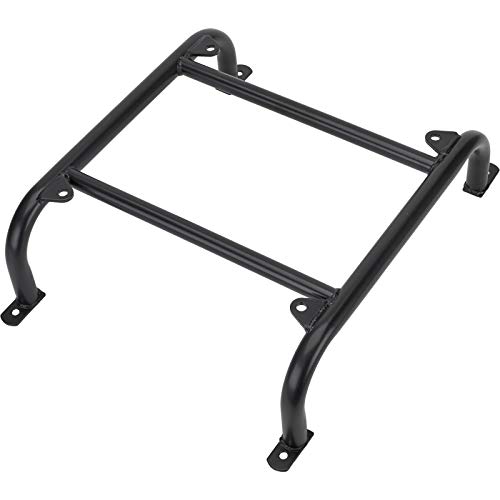
Speedway Motors Bucket Seat Frame Mount Bracket, Features Welded Steel Frame and Black Painted Finish, Compatible with Most Applications, May Require Some Modification
STURDY CONSTRUCTION: Speedway Motors seat mount bracket is constructed of 1-inch OD tubular steel and .813-inch OD cross…
As an affiliate, we earn on qualifying purchases.
As an affiliate, we earn on qualifying purchases.

Automotive Seat Belt Anchor Plate (2)
Anchor plate 58 x 40 mm, for safety belt
As an affiliate, we earn on qualifying purchases.
As an affiliate, we earn on qualifying purchases.