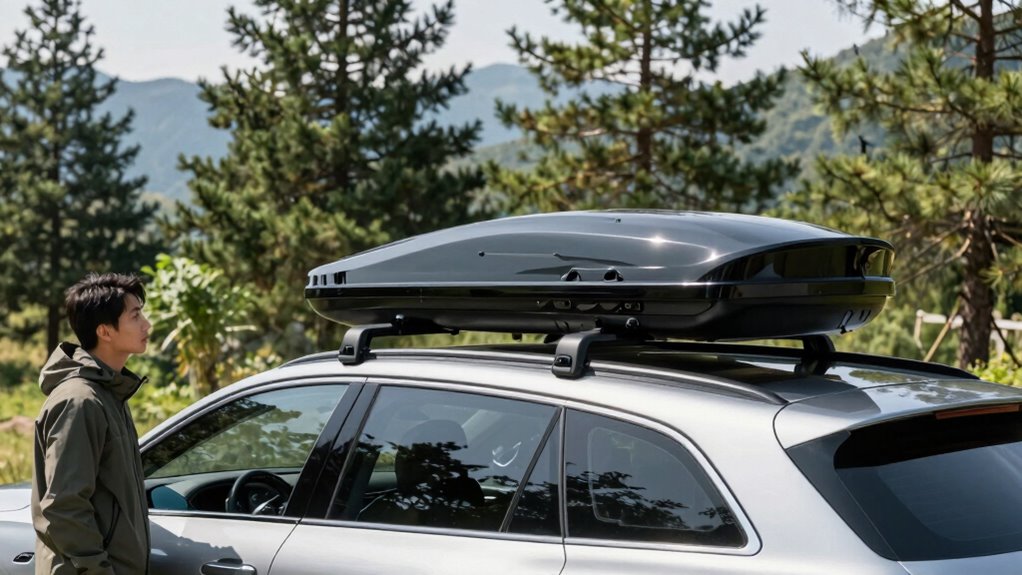

Using a roof cargo box increases your storage space and helps you stay organized on long trips, but it also creates extra drag, which can lower fuel efficiency and make your vehicle harder to handle, especially in windy conditions or sharp turns. Larger, boxy designs tend to cause more turbulence, so choosing an aerodynamic shape and not overloading can improve safety and reduce fuel costs. If you want to learn how to balance these tradeoffs effectively, keep exploring your options.

Get garage and car supplies delivered free — and shop member deals
- Fast, free delivery on millions of items
- Access to Prime Big Deal Days deals on October 6–7
- Prime Video, Amazon Music and more included
Key Takeaways
- Roof cargo boxes increase storage but can negatively impact fuel efficiency due to added air resistance.
- Aerodynamic designs mitigate turbulence and reduce the negative effects on vehicle performance.
- Overloading or improper weight distribution compromises handling and safety during travel.
- Removing the cargo box when not needed helps maintain better fuel economy and vehicle stability.
- Driving at moderate speeds and maintaining proper vehicle maintenance can offset some efficiency losses.
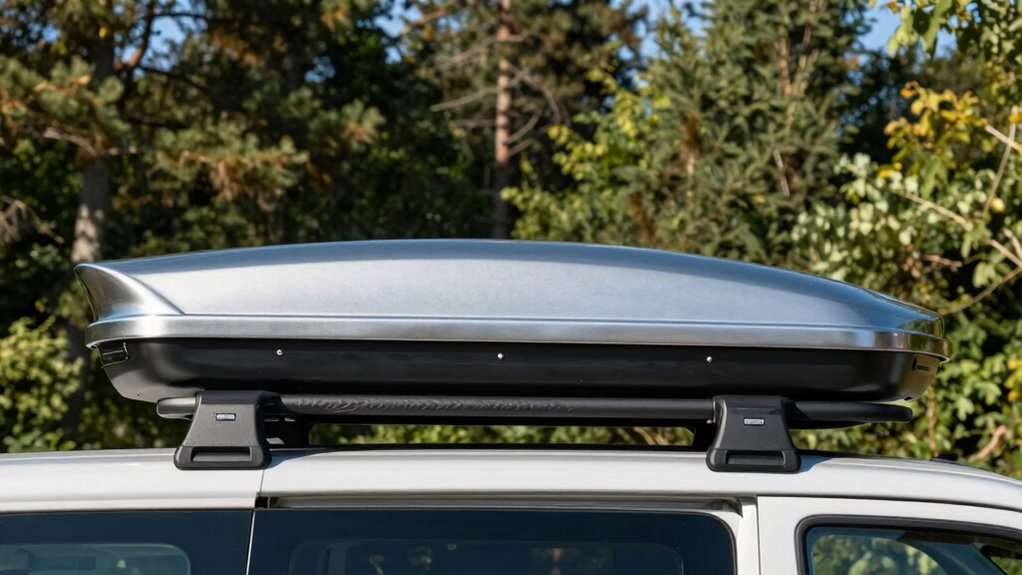
When choosing a roof cargo box for your camper, you often face a tradeoff between increased storage capacity and the potential impact on your vehicle’s handling and fuel efficiency. Adding a cargo box can free up space inside your camper, making long trips more comfortable and organized. However, it’s important to understand how this extra storage affects your vehicle’s performance, especially concerning fuel efficiency and aerodynamic impact. The more you load on top, the more your camper’s shape changes, which can lead to increased air resistance. This increased resistance forces your engine to work harder, ultimately reducing your miles per gallon.
Adding a roof cargo box boosts storage but can decrease fuel efficiency and handling due to increased air resistance.
The aerodynamic impact of a roof cargo box is significant because it disrupts the smooth flow of air over your vehicle. Without a box, your camper’s profile is streamlined, minimizing drag. When you install a cargo box, it sticks out and creates turbulence, which increases drag and decreases fuel economy. The size and shape of the box influence how much extra air resistance you’ll encounter. A larger, boxy design will create more turbulence than a sleek, aerodynamic model. If you’re conscious about fuel costs, choosing a well-designed, aerodynamic cargo box can help reduce this impact, but it’ll never eliminate it entirely.
You should also consider how much weight your roof can safely support. Overloading the roof can compromise handling, especially in windy conditions or during sharp turns. Excess weight on top can shift your vehicle’s center of gravity, making it less stable and potentially increasing tire wear. It’s essential to stay within the manufacturer’s recommended weight limits to avoid safety issues and unnecessary strain on your suspension and roof rack. Additionally, aerodynamic efficiency can be further improved by selecting a cargo box with a streamlined shape, which can help reduce turbulence and drag. Using properly secured cargo boxes also minimizes vibrations that might further affect your vehicle’s stability. Incorporating vehicle weight distribution strategies can further enhance stability and safety during your trips. Moreover, being aware of aerodynamic principles can guide you in choosing the most suitable cargo box to minimize drag and improve overall efficiency. Recognizing the importance of vehicle maintenance can also help ensure that your vehicle remains in optimal condition to handle the additional load and aerodynamic effects effectively.
To mitigate some of these effects, you might want to remove the cargo box when it’s not needed, especially during long highway stretches. This can restore some of your vehicle’s original aerodynamics and improve fuel efficiency. Also, maintaining proper tire pressure and driving at moderate speeds can help offset some of the added fuel consumption caused by the cargo box.
In essence, while a roof cargo box offers valuable extra storage, it’s vital to weigh that benefit against the reality of decreased fuel efficiency and the aerodynamic impact. Being mindful of size, shape, and when to remove the box can help you strike a balance between convenience and performance, ensuring safer, more economical travels.
aerodynamic roof cargo box for SUVs
As an affiliate, we earn on qualifying purchases.
As an affiliate, we earn on qualifying purchases.
Frequently Asked Questions
How Does a Roof Cargo Box Affect Vehicle Aerodynamics?
A roof cargo box increases your vehicle’s aerodynamic drag and wind resistance, which can reduce fuel efficiency. As you drive, the box disrupts smooth airflow over your car, creating turbulence and making your engine work harder. This added resistance can lead to higher fuel costs and slightly slower speeds. To minimize these effects, choose a streamlined cargo box and keep it as low and compact as possible.
Are Roof Cargo Boxes Suitable for All Vehicle Types?
Not every vehicle is a perfect match for a roof cargo box; think of it as fitting a puzzle piece—some fit seamlessly, others don’t. You need to evaluate vehicle compatibility, ensuring your roof can handle the cargo capacity limitations without strain. If your vehicle is smaller or has a low roof, a cargo box might be a tight squeeze or cause handling issues. Always check your vehicle’s specifications before attaching one.
What Are the Security Features of Roof Cargo Boxes?
Roof cargo boxes come equipped with security locks that help prevent theft, giving you peace of mind when you’re away from your vehicle. These locks typically feature a key or combination mechanism, making unauthorized access difficult. To enhance theft prevention, choose a box with sturdy locking systems and consider additional security measures like cable locks or alarms. This guarantees your gear stays safe during your travels.
How Do Roof Cargo Boxes Impact Fuel Efficiency?
Carrying a roof cargo box can be a double-edged sword; it increases aerodynamic drag, which in turn raises your fuel consumption. You might notice your mileage taking a hit, especially on long trips. While it’s handy for extra storage, be aware that the added wind resistance can make you spend more at the pump. To keep things efficient, remove the cargo box when you don’t need it or choose a lightweight, aerodynamic model.
Can Roof Cargo Boxes Be Used With Rooftop Tents?
Yes, you can use roof cargo boxes with rooftop tents. They increase your storage capacity, allowing you to carry extra gear without sacrificing interior space. Just make certain the cargo box has good weather resistance to protect your belongings from rain or snow. Be mindful of the combined height, weight limits, and aerodynamics, as these factors can affect driving stability and fuel efficiency. Proper installation ensures safe, convenient use.
roof cargo box with low drag design
As an affiliate, we earn on qualifying purchases.
As an affiliate, we earn on qualifying purchases.
Conclusion
So, next time you pack that roof cargo box, remember it’s not just about extra space—it’s about balancing convenience with your car’s aerodynamics and fuel economy. Sure, you could stuff it full of gear, but don’t be surprised when your gas bills skyrocket or your steering feels like a workout. Sometimes, the smartest move is leaving that bulky box behind and embracing the simple joy of travel—less clutter, less hassle, and more fun.
As an affiliate, we earn on qualifying purchases.
large capacity roof cargo box camper
As an affiliate, we earn on qualifying purchases.
As an affiliate, we earn on qualifying purchases.
Halloween Picks
halloween
As an affiliate, we earn on qualifying purchases.