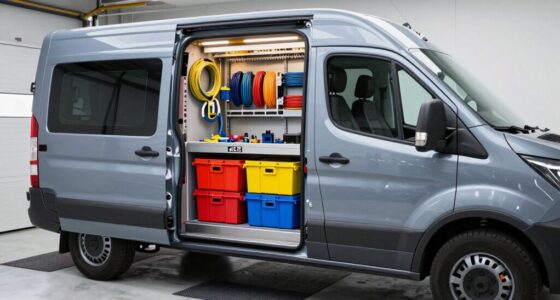
To set up your van’s water system, install a dedicated fresh water tank, typically made of food-safe material, connected to a pump for pressurizing water when you open taps. Your grey water tank collects wastewater from sinks and showers, with proper venting and easy access for emptying at approved dump sites. Regular maintenance like filter changes and tank cleaning guarantees everything runs smoothly, while staying compliant with local regulations. Learn more about keeping your water system reliable and efficient.
Listen free for 30 days with Audible
Thousands of audiobooks and originals — cancel anytime.
As an affiliate, we earn on qualifying purchases.
Key Takeaways
- Fresh water systems include a dedicated tank, pump, filters, and fittings for clean, pressurized water supply.
- Grey water systems collect wastewater from sinks, showers, and appliances, requiring proper disposal at designated dump sites.
- Regular maintenance involves cleaning tanks, replacing filters, and inspecting hoses to prevent leaks and odors.
- Proper placement of tanks and components ensures easy access, refilling, and dumping, while preventing damage.
- Compliance with local regulations is essential for legal and environmentally responsible grey water disposal.
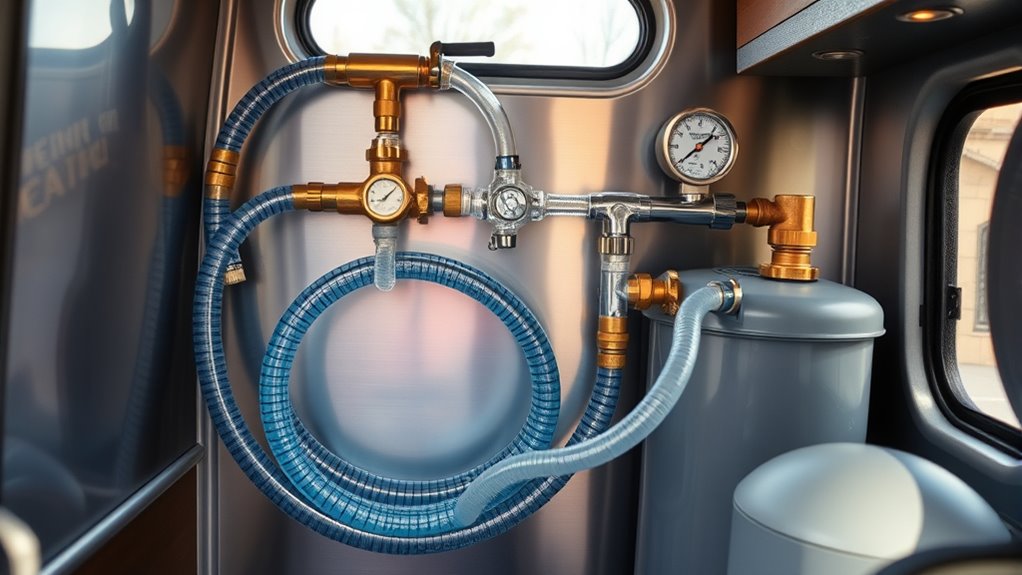
Are you ready to understand the essentials of managing fresh and grey water in your van? This is a crucial part of van life that often gets overlooked but is essential for comfort, hygiene, and legality. Your fresh water system supplies clean water for drinking, cooking, and cleaning, while the grey water system handles wastewater from sinks, showers, and appliances. Getting these systems right means you can enjoy your adventures without worrying about water shortages or messy spills.
First, you need a dedicated fresh water tank. It’s usually made of food-grade plastic or stainless steel to prevent contamination. The size varies depending on your needs, but most van owners opt for 10 to 30 gallons. You’ll want to position the tank in a secure, accessible spot, often underneath the van or inside a cabinet, to keep it safe from damage and easy to refill.
A water pump connects to this tank, allowing you to pressurize the system and get water flowing when you turn on a tap. Make sure your pump is rated for continuous use and has a built-in pressure switch to avoid pressure spikes. Choosing the right pump is essential for reliable water flow and system longevity.
Your freshwater system also includes hoses, fittings, and a filter to keep the water clean and free of debris. Regularly check and replace filters to maintain water quality. You’ll need a way to refill the tank, which can be as simple as a garden hose connection or a quick-connect fitting. Some vans have built-in fill ports with locking caps to prevent dirt and bugs from contaminating the water supply.
On the grey water side, you’ll install a grey water tank, which collects wastewater from your sinks and shower. Like the fresh water tank, it should be made of durable, food-safe material. The grey water tank needs to be vented to prevent pressure buildup and odors.
Position it underneath or beside your van, ensuring easy access for emptying. You’ll also need a discharge hose or dump station to empty the tank at approved dump sites. Never dump grey water on the ground or in storm drains, as it’s often illegal and environmentally harmful.
Managing these systems involves regular maintenance: cleaning the tanks, replacing filters, and ensuring hoses are secure and leak-free. By understanding and properly maintaining your fresh and grey water systems, you’ll keep your van comfortable and compliant with local regulations.
Proper water management makes your adventures more enjoyable, allowing you to focus on exploring rather than stressing about water supply.

Whale GP1692 in-line Booster Pump, 12V DC
- Boosts flow in manual or electric pumps: Enhances pump performance
- Compact, quiet, lightweight design: Space-saving and silent operation
- Low-cost, low-power consumption: Affordable and energy-efficient
As an affiliate, we earn on qualifying purchases.
As an affiliate, we earn on qualifying purchases.
Frequently Asked Questions
How Do I Winterize My Water System?
To winterize your water system, first drain all water from the tanks, lines, and appliances.
Next, pour non-toxic antifreeze into the freshwater lines using a pump or by blowing it through with compressed air.
Make sure to fill all faucets, drains, and the water heater with antifreeze.
Finally, double-check for any remaining water or leaks, and store your system in a way that prevents freezing and damage.
What Are the Best Materials for Water Tank Construction?
You should choose materials like polyethylene or stainless steel for your water tank because they’re durable, non-corrosive, and food-safe.
Polyethylene is lightweight, affordable, and resistant to cracking, making it ideal for van systems.
Stainless steel offers strength and longevity, though it’s pricier.
Avoid materials that can leach chemicals or degrade over time, ensuring your water remains clean and safe for use.
How Often Should I Sanitize My Water System?
Imagine a crystal-clear mountain stream—your water system needs regular care to stay just as pure. You should sanitize your van’s water system every three to six months, or more often if you notice any changes in taste, smell, or flow.
Regular sanitization prevents bacteria buildup and keeps your water clean and invigorating. Make it a routine to guarantee you always have clean, revitalizing water on your adventures.
Can I Upgrade My System Without Professional Help?
Yes, you can upgrade your water system yourself if you’re comfortable with basic plumbing.
Start by researching compatible parts and tools needed for the upgrade.
Turn off the water supply and drain the system before making any changes.
Follow detailed instructions or tutorials from reputable sources to guarantee proper installation.
Take your time, double-check connections, and test everything thoroughly to avoid leaks or future issues.
What Are Common Signs of System Leaks?
You’ll notice leaks if you see water pooling under your van or if your water pressure drops unexpectedly.
Other signs include a persistent musty smell, mold growth, or damp spots around connections and hoses.
Keep an eye on your water levels and check for cracks or drips regularly.
If you spot any of these signs, it’s best to inspect your system thoroughly and repair leaks promptly to prevent further damage.
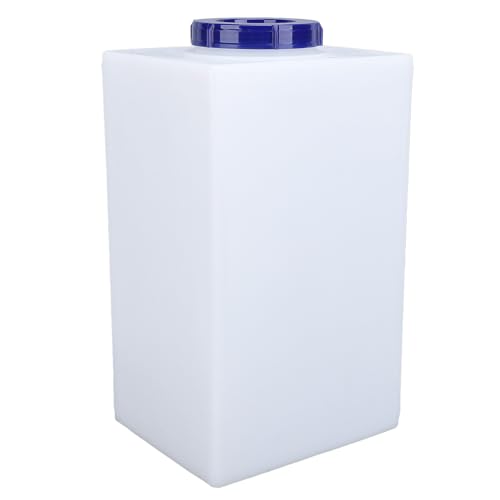
Luqeeg 5 Gallons Fresh Water Container for RV & Camping
- Wide Mouth for Fast Filling: 10cm large mouth inlet with guard
- Splash-Free Refilling: Design prevents splashes during filling
- Generous 5-Gallon Capacity: Holds sufficient water for trips
As an affiliate, we earn on qualifying purchases.
As an affiliate, we earn on qualifying purchases.
Conclusion
Understanding your van’s fresh and grey water systems is like having a well-oiled machine at your fingertips. When you know how to maintain and troubleshoot them, your adventures become smoother and more enjoyable. Think of these systems as the lifeblood of your van life experience—without them, you’re just drifting without direction. Keep them clean and in check, and you’ll be ready to explore freely, just like a fish swimming effortlessly through clear waters.

Camco Rhino 28-Gallon Camper/RV Tote Tank – Features Large Heavy-Duty No-Flat Wheels & Built-in Gate Valve – Removable Steel Tow Adapter, 3’ Sewer Hose & More RV Accessories (39004)
- Simplifies Waste Disposal: Easily transport waste to dump station
- Heavy-Duty No-Flat Wheels: All-terrain wheels for easy mobility
- Oversized Handle: Easy to maneuver and carry
As an affiliate, we earn on qualifying purchases.
As an affiliate, we earn on qualifying purchases.
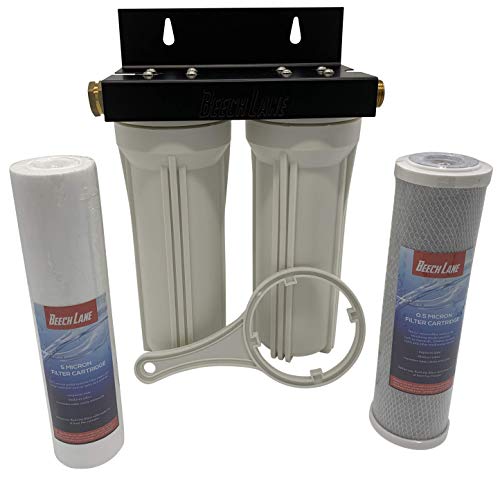
Beech Lane External RV Dual Water Filter System, Leak-Free Brass Fittings, Mounting Bracket and Two Filters Included, Sturdy Construction is Built to Last
- Heavy Duty RV Construction: Designed for outdoor RV use with durable materials
- Leak-Free Brass Fittings: 3/4 inch lead-free brass prevents leaks
- Includes Two Filters: 5 micron sediment and 0.5 micron carbon filters
As an affiliate, we earn on qualifying purchases.
As an affiliate, we earn on qualifying purchases.
Back to school Picks
back to school
As an affiliate, we earn on qualifying purchases.