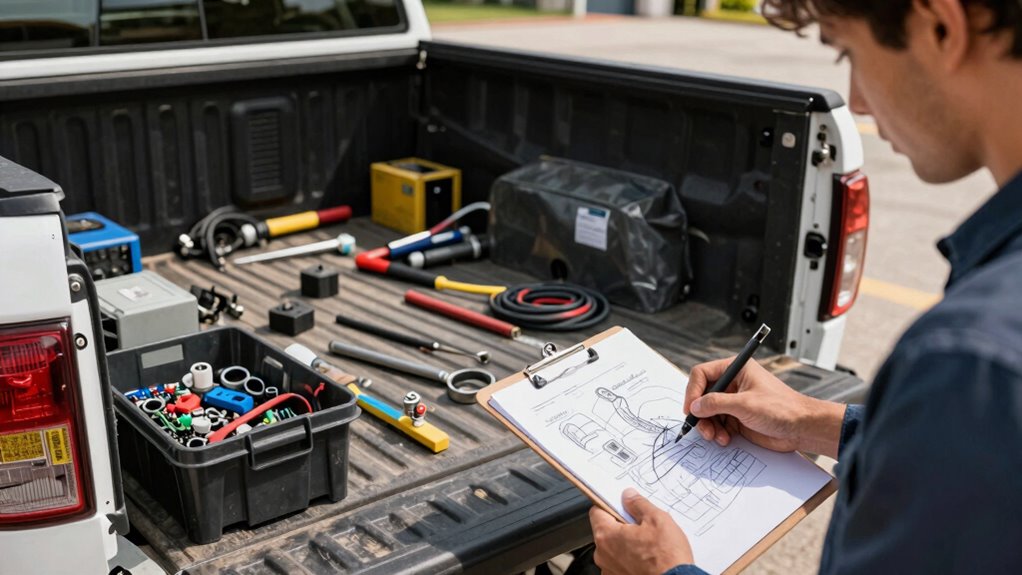

Upfitting begins with honest use-case planning because it helps you focus on features that truly meet your needs, avoiding unnecessary expenses and clutter. By clearly understanding your vehicle’s primary functions, you can select upgrades that boost safety, efficiency, and durability. This targeted approach prevents costly mistakes and guarantees your investment pays off. When you carefully plan your use case, you set your vehicle up for long-term success—keep exploring to see how this process enhances your overall outfitting project.

Get business pricing on garage and car supplies
- Business-only prices and quantity discounts
- Tax-exempt purchasing
- Multiple users, one account, clear invoices
Key Takeaways
- It ensures upgrades align with actual operational needs, avoiding unnecessary features.
- Honest planning clarifies essential safety and performance priorities for the vehicle.
- It helps optimize resource allocation by focusing on valuable, purpose-driven modifications.
- Clear use-case understanding prevents costly mistakes and rework during the upfitting process.
- It enhances vehicle safety, efficiency, and longevity by tailoring features to specific tasks.
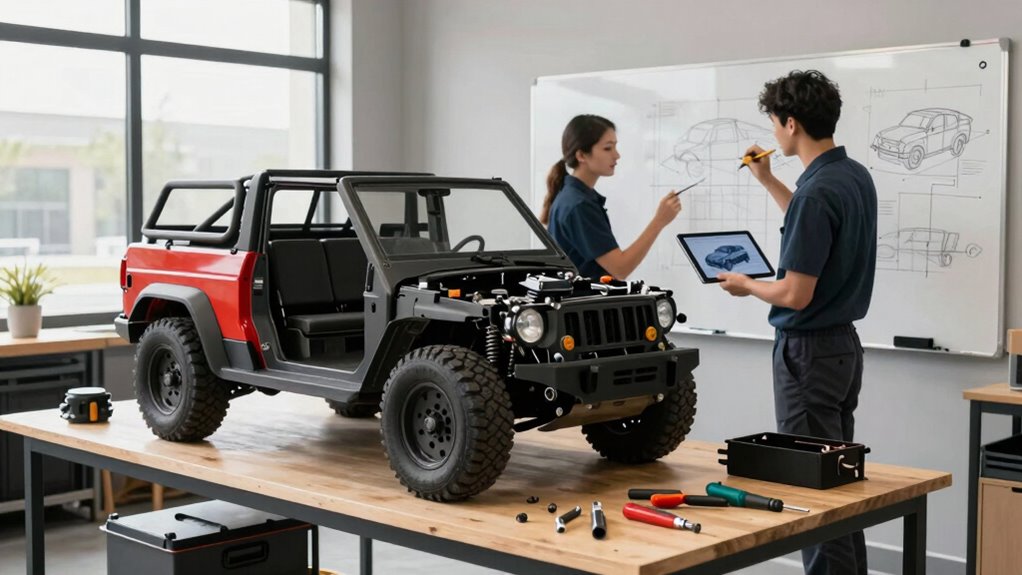
Have you ever wondered how to maximize your vehicle’s potential for specific tasks? The key lies in honest use-case planning before diving into any upfitting process. When you take the time to clearly define what you need your vehicle to do, you set a solid foundation for selecting the right customization options. Whether you’re outfitting a work truck, delivery van, or fleet vehicle, understanding your primary functions helps guarantee that every upgrade serves a purpose. It prevents unnecessary expenses and avoids cluttering your vehicle with features that won’t add value to your operations. Taking a practical approach means you focus on what truly matters for your daily tasks, boosting efficiency and productivity.
Effective upfitting starts with honest use-case planning to ensure every upgrade adds value and boosts productivity.
One of the critical aspects of effective upfitting is balancing customization options with safety considerations. As you explore different modifications, it’s tempting to add the latest gadgets or flashy features, but safety should always take precedence. For example, if your vehicle will carry heavy loads or operate in challenging conditions, investing in safety enhancements like reinforced bumpers, better lighting, or collision avoidance systems becomes essential. These upgrades protect not only your vehicle but also your personnel. When you plan your setup with safety considerations front and center, you reduce the risk of accidents and costly downtime. Remember, the goal isn’t just to make your vehicle look or function better; it’s to make it safer and more reliable for the tasks at hand. Incorporating safety features early in your planning process can also help you stay compliant with industry regulations. Additionally, understanding the latest safety standards relevant to your industry can ensure your vehicle upgrades meet all necessary requirements.
Customization options are vast, and it’s easy to get overwhelmed. But the secret to successful upfitting is aligning those options with your actual use case. For instance, if your work involves transporting fragile or sensitive equipment, you might want to add specialized shelving, securement systems, or climate control features. Conversely, if you’re in logistics or delivery, focus on maximizing cargo space and ease of access. The right choices depend entirely on your specific needs, and that’s why honest planning is so essential. It helps you prioritize features that truly enhance your vehicle’s performance and longevity, rather than wasting resources on unnecessary upgrades. Additionally, consulting with experienced professionals who understand the latest upfitting options can help ensure you select the most suitable upgrades for your particular application. Staying informed about industry safety standards can also guide your decision-making process and ensure compliance.
Ultimately, upfitting isn’t just about adding features; it’s about creating a tailored tool that fits your business or personal needs perfectly. Starting with an honest assessment of your use case allows you to make smarter decisions, ensuring every customization enhances safety, efficiency, and durability. When you approach upfitting with clarity and purpose, you’re not just modifying a vehicle—you’re investing in a reliable asset built for your unique demands. Recognizing the importance of use-case planning early on can significantly improve the overall success of your upfitting project.
Products Worth Considering

DEWALT 20V MAX XR Impact Driver, 1/4 Inch High Torque Brushless 3-Speed Cordless with LED Light, Extended Runtime (DCF845B)

VIOFO A329S 4K+2K+2K Dash Cam Front Cabin and Rear, STARVIS 2 HDR, Wi-Fi 6

NOCO Boost GB150 3000A UltraSafe Jump Starter, 12V Lithium Battery Booster
As an affiliate, we earn on qualifying purchases.
Frequently Asked Questions
How Do I Identify the Most Critical Use Cases for My Vehicle?
You identify your most critical use cases by evaluating your daily operations and pinpointing where cargo organization is essential or safety enhancements are needed. Think about the tasks you perform regularly, the types of cargo you carry, and any safety concerns that arise. Prioritize the uses that improve efficiency and safety the most. This approach ensures your vehicle upgrades directly support your key activities, making your work safer and more organized.
What Are Common Pitfalls in Initial Use-Case Planning?
You might overlook safety considerations or rush into customization strategies, thinking you’ll figure it out later. Common pitfalls include underestimating your real needs, overcomplicating modifications, or ignoring safety features. Sometimes, you’ll find yourself chasing trends instead of focusing on essential use cases. To avoid this, plan honestly, prioritize safety, and tailor your customization strategies to your actual, everyday needs—otherwise, your upgrade could backfire.
How Often Should Use-Case Assessments Be Revisited?
You should revisit your use-case assessments regularly, ideally every six months or after significant operational changes. This allows you to update customization strategies and guarantee safety considerations stay current. Frequent reviews help you identify evolving needs, address emerging risks, and optimize upfitting efforts. By staying proactive, you maintain efficiency, enhance safety, and adapt your equipment to meet changing demands effectively.
What Tools Can Help in Accurate Use-Case Analysis?
You should use tools like data analysis software, such as Excel or specialized analytics platforms, to guarantee accurate use-case analysis. Tool selection is vital—you want tools that can process your data effectively and highlight insights clearly. By analyzing relevant data, you’ll identify needs and gaps, making your upfitting process more precise. Regularly updating your analysis with fresh data helps you adapt to changing use cases, making sure your upfitting stays aligned with actual requirements.
How Does Use-Case Planning Impact Long-Term Vehicle Maintenance?
Use-case planning shapes your vehicle customization, making certain upgrades align with your actual needs. This foresight helps you establish effective maintenance scheduling, preventing unnecessary wear and tear. When you plan accurately, you can anticipate future maintenance needs, extend your vehicle’s lifespan, and avoid costly repairs. Ultimately, honest use-case planning ensures your vehicle stays reliable and efficient over the long term, saving you time and money.
Conclusion
Remember, upfitting is like planting a seed—if you don’t choose the right use case, growth will be stunted. Honest planning helps your investment flourish, ensuring the equipment truly meets your needs now and in the future. When you align your goals with your setup, you’re not just adding features; you’re nurturing a tool that will serve you like a loyal companion on your journey. Start with honesty, and watch your potential blossom.