To develop a crash-avoidance mindset, you need to stay alert, anticipate hazards, and practice defensive driving every day. Regular vehicle inspections and proactive safety habits help prevent mechanical issues and accidents. Stay focused by checking mirrors frequently and avoiding distractions. Cultivating a safety-first attitude guarantees you’re prepared for unpredictable situations and keeps passengers safe. If you want to learn more about building this mindset, keep exploring how these strategies work together for safer journeys.
Key Takeaways
- Develop a proactive awareness approach to identify and respond to potential hazards early.
- Prioritize regular vehicle inspections to ensure all safety systems are functional.
- Continuously hone defensive driving skills and stay alert to dynamic traffic conditions.
- Maintain focus by avoiding distractions and recognizing fatigue signs promptly.
- Cultivate a safety-first attitude to reinforce vigilance and responsible driving behaviors.

Maintaining a crash-avoidance mindset is essential for transit drivers who navigate busy streets and crowded routes daily. Your awareness and proactive approach can mean the difference between a safe journey and a preventable accident. Developing this mindset starts with comprehensive driver training that emphasizes defensive driving techniques, situational awareness, and quick decision-making skills. When you understand how to anticipate potential hazards and respond calmly under pressure, you’re better equipped to prevent collisions before they happen. Regular refresher courses keep your skills sharp and help you stay updated on best practices and new safety protocols, reinforcing your commitment to safety on every trip.
Equally important is maintaining your vehicle properly. Vehicle maintenance isn’t just about keeping your bus in good shape; it’s about ensuring every component functions correctly to prevent mechanical failures that could lead to accidents. Regular inspections of brakes, tires, lights, and steering systems help you catch issues early. A well-maintained vehicle responds predictably, giving you greater control and reducing the risk of losing control in tricky situations. Before each shift, a quick walk-around check allows you to spot anything that might compromise safety, like worn tires or broken signals. Staying proactive about vehicle maintenance and inspection signals your dedication to safety—not just for yourself, but for your passengers and other drivers sharing the road.
Your mindset also involves staying alert throughout your entire route. Distractions are everywhere, but your focus should remain on the road, pedestrians, cyclists, and other vehicles. Use your mirrors frequently, and avoid multitasking while driving. If you feel fatigued or distracted, it’s better to pause and collect yourself rather than risk a lapse in attention. Remember, your training has equipped you with the skills to handle unexpected situations, but your vigilance makes all the difference. Anticipating the actions of other drivers, especially in unpredictable traffic conditions, helps you stay one step ahead. Recognizing the importance of awareness can significantly reduce your chances of accidents and improve overall safety. Cultivating a safety-first attitude ensures that safety remains the top priority in every situation you encounter on the road. Additionally, understanding the role of vehicle maintenance and inspection can further enhance your ability to prevent accidents caused by mechanical issues. Consistently practicing these habits creates a preventive mindset that keeps everyone safer on the road.

J. J. Keller Passenger & School Bus Endorsement: Entry-Level Driver Training Trainer Manual – Prepare Your CDL Drivers to Earn Their Passenger-Carrying or School Bus Endorsements
Use this trainer manual to help meet the theory instruction training requirements for CDL drivers pursuing their passenger-carrying…
As an affiliate, we earn on qualifying purchases.
As an affiliate, we earn on qualifying purchases.
Frequently Asked Questions
How Can Drivers Improve Their Situational Awareness Quickly?
To improve your situational awareness quickly, stay alert and actively scan your surroundings regularly. Use clear driver communication signals to alert others of your intentions, reducing surprises. Keep your vehicle well-maintained to prevent mechanical issues that could compromise safety. Continuously check mirrors and watch for pedestrians, cyclists, and other vehicles. By staying vigilant, communicating effectively, and ensuring your vehicle’s in top shape, you can react faster and avoid potential hazards.
What Mental Exercises Enhance Crash-Avoidance Skills?
Your mind is a steel trap, ready to catch danger at lightning speed. Cognitive training and focus techniques sharpen your crash-avoidance skills by improving reaction time and alertness. Practice mental exercises like visualizing potential hazards or quick decision drills during breaks. These exercises boost your focus, helping you stay aware of your surroundings and react swiftly to threats, making every trip safer and more controlled.
How to Stay Calm During Emergency Situations?
To stay calm during emergencies, focus on stress management techniques like deep breathing and grounding exercises. Keep your emotional resilience strong by reminding yourself you’re trained for these situations. Maintain awareness of your surroundings and stick to your safety protocols. Staying composed allows you to think clearly, make quick decisions, and react effectively, ensuring safety for everyone on board. Practice these habits regularly to build your confidence and calmness under pressure.
What Are Common Distractions for Transit Drivers?
You often face distractions like cell phones, outside noise, or passenger interactions that can lead to inattentive driving. To manage these, focus on distraction management techniques, such as staying alert, minimizing unnecessary conversations, and keeping your attention on the road. Recognize signs of distraction early and refocus quickly. Staying disciplined with these habits helps you avoid accidents and guarantees passenger safety, keeping your mind clear and your driving safe.
How Does Fatigue Impact Crash Prevention?
Fatigue critically impacts your crash prevention efforts by reducing driver alertness, making you slower to react to hazards. When you’re tired, your decision-making worsens, and your attention drifts, increasing accident risk. Effective fatigue management is vital—it keeps you alert and focused on the road. Prioritize rest, take breaks, and stay aware of your fatigue levels to maintain a high crash-avoidance mindset and guarantee passenger safety.
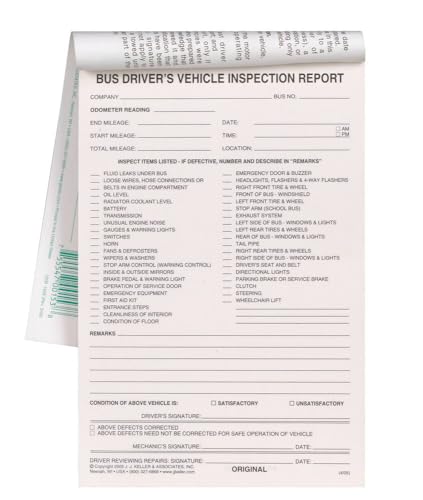
Bus Driver's Vehicle Inspection Report 10-pk. – Book Format with 31 Sets, 2-Ply Carbonless, 5.5" x 8.125" – Meet FMCSR Requirements – J. J. Keller & Associates, Inc.
Bus driver vehicle inspection report books help drivers meet FMCSR requirements.
As an affiliate, we earn on qualifying purchases.
As an affiliate, we earn on qualifying purchases.
Conclusion
Adopting a crash-avoidance mindset is like sharpening your senses before a journey through a busy city street. Every glance, every decision acts as a vigilant guardrail, guiding you safely through potential hazards. Remember, you’re the captain steering a vessel through turbulent waters—staying alert and prepared keeps you afloat. Embrace this mindset, and you’ll navigate your route with confidence, turning every trip into a safe voyage where danger is just a distant shadow, never your destination.

Defensive Driving for CMV Drivers English Training Kit, Help Drivers Develop Skills to Reduce The Risk of an Accident, J. J. Keller & Associates, Inc.
Defensive driving involves intentionally driving in such a way as to reduce the risk of an accident. This…
As an affiliate, we earn on qualifying purchases.
As an affiliate, we earn on qualifying purchases.

UNLRAE Tow Mirrors,Mirror Extenders for Towing,Universal Clamp-On 360 Degree Rotation Adjustable Trailer Mirrors for Towing,Applicable to the Rearview Mirror of Most Cars,Trucks,and Trailers
[High-Quality Materials]: Made of high-quality PP, glass lens, and rubber, the trailer tow mirror is durable, heat-resistant, and…
As an affiliate, we earn on qualifying purchases.
As an affiliate, we earn on qualifying purchases.