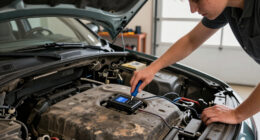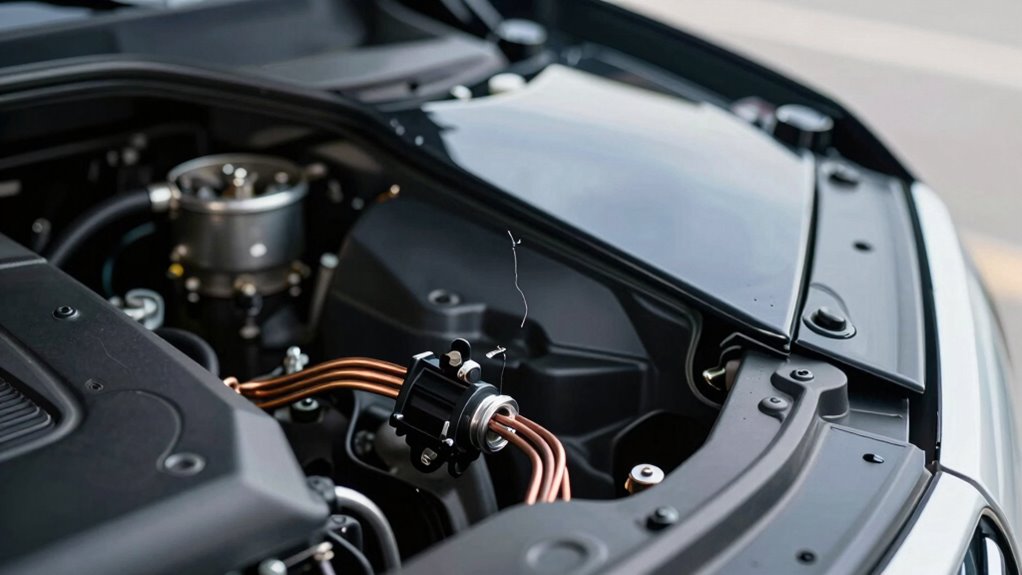

Your car’s starting problem can be deceiving, often caused by battery corrosion or a faulty ignition switch. Corrosion around your terminals can block electrical flow, making your vehicle seem fine, but it won’t turn over. Similarly, issues with the ignition switch can prevent power from reaching essential systems, fooling you into thinking everything’s okay. Spotting these signs early can save you time and money—keep going to discover how to fix and prevent these hidden issues.

Get business pricing on garage and car supplies
- Business-only prices and quantity discounts
- Tax-exempt purchasing
- Multiple users, one account, clear invoices
Key Takeaways
- Battery corrosion can cause starting problems that appear minor but quickly lead to failure.
- Ignition switch issues may mimic battery problems with difficulty turning the key or no response.
- Flickering dashboard lights and clicking sounds often signal electrical or ignition switch faults.
- A weak or dead battery combined with corrosion can deceive owners into thinking the starter is the issue.
- Regular inspection and cleaning of terminals prevent quick-fooling symptoms caused by corrosion buildup.
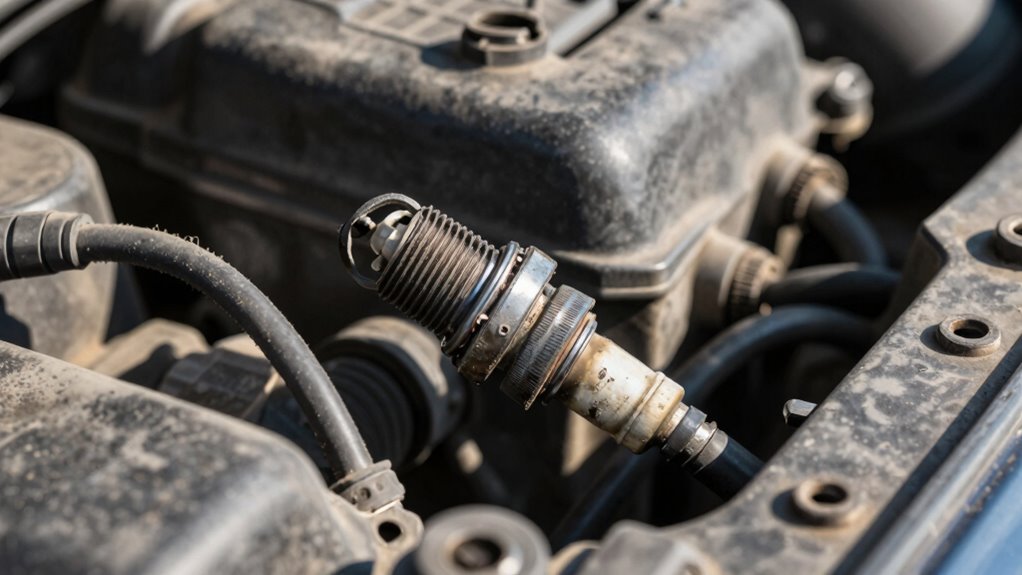
Many car owners fall victim to a common starting issue that can seem like a minor glitch but quickly leads to costly repairs if disregarded. When your vehicle refuses to start, the problem might be as simple as battery corrosion or a faulty ignition switch. These issues often sneak up on you and can be mistaken for other mechanical problems, but recognizing the signs early can save you time and money. A thorough understanding of car starting issues can help you troubleshoot effectively before seeking professional help.
Battery corrosion is one of the most frequent culprits behind starting troubles. Over time, the terminals of your battery can develop a build-up of white or bluish-green corrosion, which hampers the flow of electrical current. When this happens, your car’s electrical system struggles to deliver power to essential components, including the starter motor. This results in slow crank times or a complete failure to start. If you notice corrosion around your battery terminals, don’t dismiss it. Cleaning the terminals with a mixture of baking soda and water, or replacing the battery if necessary, can restore proper connection. Regular maintenance checks can prevent corrosion from forming in the first place. Additionally, using protective terminal sprays can help inhibit future corrosion buildup. Being aware of electrical system issues can also guide you in diagnosing other related problems.
Battery corrosion can disrupt your car’s start—clean terminals regularly to keep your vehicle running reliably.
Another common issue is a faulty ignition switch. The ignition switch acts as the gatekeeper for power distribution within your vehicle. When it starts to fail, turning the key may not activate the electrical systems, or the engine might not crank at all. Sometimes, you’ll hear a clicking sound, or the dashboard lights may flicker when you turn the key. In other cases, the switch may feel loose or won’t turn at all. Because ignition switches are complex and involve many internal components, diagnosing and replacing a faulty one often requires professional help. However, if your car’s electrical system appears dead despite a fully charged battery, the ignition switch could be the root of the problem. Understanding home automation concepts can sometimes offer insight into diagnosing electrical issues in vehicles as well. Moreover, understanding electrical connections can help pinpoint potential issues more accurately.
You might think the issue is a simple dead battery or a faulty starter, but often, these symptoms are linked to corrosion or ignition switch failure. Ignoring these signs can lead to more severe damage, such as damaged wiring or a completely inoperative ignition system. To avoid costly repairs, stay vigilant. Regularly inspect your battery terminals for corrosion and keep the connections clean. If your vehicle exhibits starting issues even after these checks, have a mechanic evaluate the ignition switch. Catching these problems early ensures your car starts reliably and keeps you safe on the road.
As an affiliate, we earn on qualifying purchases.
Frequently Asked Questions
Can a Faulty Fuel Pump Cause Starting Problems?
Yes, a faulty fuel pump can cause starting problems because it may fail to supply the engine with enough fuel. When the fuel pump isn’t working properly, your vehicle might struggle to start or stall shortly after starting. Check the fuel filter for clogs and inspect spark plugs for wear, as these also affect starting. Addressing these components guarantees smooth operation and prevents misdiagnoses related to fuel delivery.
How Does a Bad Crankshaft Sensor Affect Starting?
A bad crankshaft sensor causes starting problems by sending incorrect signals to your vehicle’s engine control unit. Sensor malfunction can prevent the engine from timing fuel injection and spark properly, making it hard to start. Wiring corrosion can further disrupt signal transmission, worsening the issue. If you notice difficulty starting or engine misfires, it’s likely a sensor or wiring problem, and getting it checked promptly can save you from bigger repairs later.
What Role Does the Ignition Switch Play in Starting Issues?
Think of the ignition switch as the gatekeeper to your car’s engine. It controls ignition timing and verifies key security, ensuring the right person starts the vehicle. If this switch malfunctions, it can block power flow, preventing your car from starting. You might turn the key, but the engine stays silent. Checking the ignition switch’s connection and function is essential to diagnose and fix starting issues.
Can Low Battery Voltage Mimic a Starter Problem?
Yes, low battery voltage can mimic a starter problem. When your battery isn’t properly maintained, voltage fluctuation occurs, which can cause starting issues that seem like starter failure. Regular battery maintenance, like checking terminals and ensuring a full charge, helps prevent these false alarms. If your vehicle struggles to start, consider testing the battery voltage first, as low power can trick you into thinking the starter’s faulty.
Are There Quick Tests to Diagnose Starting Issues?
You can quickly diagnose starting issues by checking the battery connections for corrosion and testing voltage with a multimeter. If your engine overheats or your tire alignment is off, those may affect starting too. Make sure your cooling system works properly, and inspect tire alignment for uneven wear, which can impact vehicle performance. These simple tests help identify if the problem stems from electrical, cooling, or alignment issues before more detailed diagnostics.
As an affiliate, we earn on qualifying purchases.
Conclusion
Ignoring small starting issues can cost you big time—up to 70% of engine problems start with minor faults that seem harmless. As a vehicle owner, you might think a slow start or occasional sputter isn’t urgent, but it’s a warning sign. Addressing these issues early can save you thousands in repairs and keep your car running smoothly longer. Don’t wait until a minor glitch turns into a costly breakdown—trust your instincts and get it checked promptly.
car battery terminal protector spray
As an affiliate, we earn on qualifying purchases.
As an affiliate, we earn on qualifying purchases.
As an affiliate, we earn on qualifying purchases.
Halloween Picks
halloween
As an affiliate, we earn on qualifying purchases.