TL;DR

Get business pricing on garage and car supplies
- Business-only prices and quantity discounts
- Tax-exempt purchasing
- Multiple users, one account, clear invoices
A U.S. senator has claimed that former President Trump is considering a reversal on policies restricting Chinese electric vehicles. The development signals potential shifts in trade and national security strategies, but details remain unconfirmed.
A U.S. senator has publicly claimed that former President Donald Trump could be preparing to reverse his previous stance on Chinese electric vehicles (EVs). This assertion comes amid growing political and economic debate over trade policies and national security concerns related to China’s EV industry. The statement, if accurate, could signal a significant shift in the U.S. approach to Chinese EV imports and influence ongoing discussions about economic competitiveness and geopolitical strategy.
The senator, whose identity is not specified in the initial reports, indicated that Trump is considering a policy U-turn that might relax or lift restrictions on Chinese EV imports. These restrictions, implemented during Trump’s presidency, aimed to protect domestic EV manufacturers and address concerns over China’s growing influence in the green technology sector. The claim was made during a recent interview or public statement, but no official policy change has been announced or confirmed by Trump or his representatives.
Sources close to the senator suggested that the discussion is still in preliminary stages, and there is no definitive evidence that Trump has made a final decision. The claim has sparked bipartisan debate, with some officials and industry stakeholders wary of potential repercussions for U.S. EV manufacturers and national security. The Biden administration continues to emphasize the importance of maintaining trade restrictions on Chinese EVs, citing concerns over intellectual property, supply chain security, and unfair competitive practices.
Implications for U.S.-China Trade and EV Industry
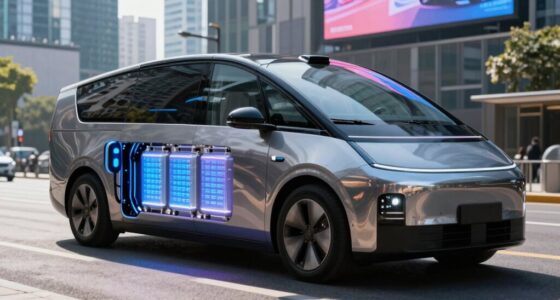
If confirmed, the potential policy reversal by Trump could reshape the landscape of the electric vehicle market and U.S.-China relations. Relaxing restrictions might open the floodgates for Chinese EV companies to expand into the U.S. market, potentially challenging domestic manufacturers like Tesla, GM, and Ford. It could also influence global supply chains, which are increasingly intertwined with Chinese EV components and battery production.
On the other hand, such a move might be viewed as a strategic retreat from previous efforts to curb China’s technological rise, raising concerns about the impact on U.S. innovation, national security, and economic competitiveness. The decision would likely face scrutiny from lawmakers and industry leaders, who are divided over the risks and benefits of easing restrictions.
As an affiliate, we earn on qualifying purchases.
Background on U.S. EV Policies and China’s Role
During Trump’s presidency, the U.S. government implemented policies aimed at limiting Chinese access to certain green technology markets, including tariffs and import restrictions on EVs and related components. These measures were driven by broader concerns over trade deficits, intellectual property theft, and national security. The Biden administration has largely maintained these restrictions, emphasizing the importance of protecting domestic industries and ensuring supply chain resilience amid global tensions.
China has rapidly expanded its EV industry over the past decade, becoming a dominant player in battery manufacturing and electric vehicle production. Chinese companies have entered international markets, including the U.S., through various channels, sometimes facing tariffs, trade restrictions, or regulatory hurdles. The debate over Chinese EVs remains a contentious issue in U.S. policy circles, with some advocating for open markets and others emphasizing security and economic protectionism.
Recent spikes in coverage and search interest reflect heightened attention to the topic, driven by geopolitical tensions, industry developments, and political statements. The trigger for this renewed focus appears to be unconfirmed claims about a possible policy shift by Trump, which has yet to be substantiated by official sources.
As an affiliate, we earn on qualifying purchases.
Unconfirmed Nature of the Policy Shift
It is not yet clear whether Trump is actively pursuing a policy reversal or if the senator’s statement reflects speculation or internal discussions. No official statements or policy proposals have been announced by Trump, his representatives, or relevant government agencies. The claim remains unverified and should be considered a trend signal rather than confirmed news.
As an affiliate, we earn on qualifying purchases.
Monitoring Official Statements and Policy Developments
Further developments are expected as officials from Trump’s team or the Biden administration clarify their positions. Stakeholders in the EV industry and policymakers will likely scrutinize any official signals or policy proposals in the coming weeks. Congressional hearings or statements from the Department of Commerce or other agencies may shed light on whether a policy change is imminent or still under consideration.
As an affiliate, we earn on qualifying purchases.
Key Questions
Could Trump really change his stance on Chinese EVs?
It is currently unconfirmed. The senator’s claim suggests a possibility, but no official decision or policy shift has been announced by Trump or his team.
What are the potential impacts of relaxing restrictions on Chinese EVs?
Relaxing restrictions could lead to increased Chinese EV imports into the U.S., challenging domestic manufacturers and affecting supply chains. It might also influence geopolitical dynamics and trade negotiations.
Why does this potential shift matter now?
The issue has gained attention amid rising geopolitical tensions and ongoing debates over trade policies, especially concerning China’s growing influence in green technology sectors.
Are there any official statements supporting or denying this claim?
No, as of now, there are no official statements from Trump or relevant government agencies confirming or denying the senator’s assertion.
How might this affect the global EV market?
If restrictions are eased, Chinese EV companies could expand more rapidly into the U.S. and other Western markets, potentially shifting the competitive landscape and supply chain dynamics worldwide.
Source: rss
Halloween Picks
halloween
As an affiliate, we earn on qualifying purchases.