TL;DR
Get ready for Prime Big Deal Days — try Prime free
Exclusive member deals on October 6–7, plus fast free delivery. Cancel anytime.
Start your free trialAs an affiliate, we earn on qualifying purchases.
General Motors’ new V8 trucks have replaced the traditional oil dipstick with a digital gauge. This innovation aims to modernize vehicle diagnostics but raises questions about reliability and maintenance practices.
General Motors has introduced a new feature in its latest V8 trucks: a digital oil level gauge that replaces the traditional oil dipstick. This change, confirmed by GM representatives, aims to modernize vehicle diagnostics and reduce maintenance complexity. The shift signifies a notable move toward digital integration in pickup trucks, a segment historically reliant on manual checks.
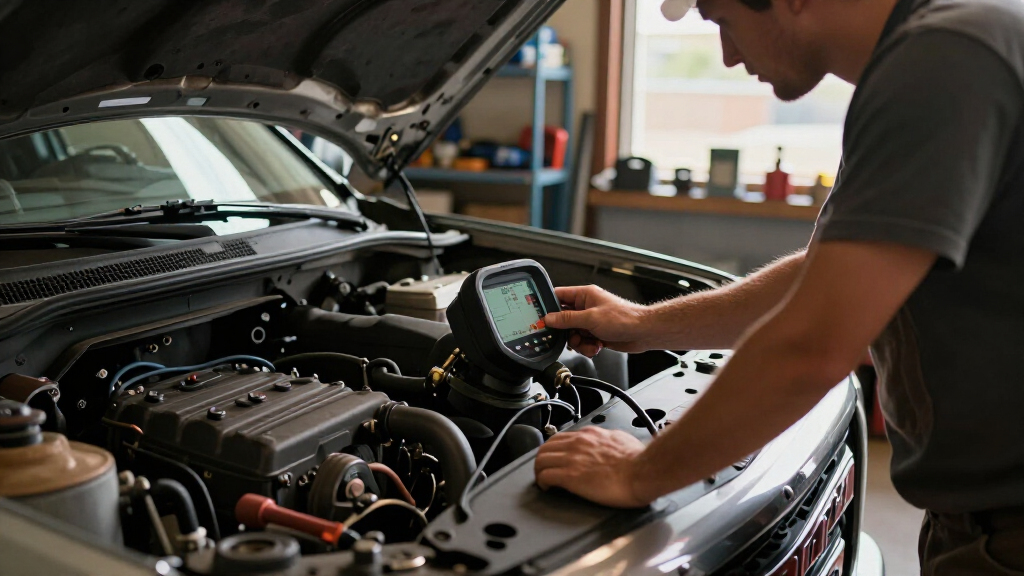
GM’s new V8 trucks, including models recently announced for 2024, no longer include a physical oil dipstick. Instead, they utilize an electronic sensor linked to a digital gauge within the vehicle’s instrument cluster, providing real-time oil level readings. GM officials confirmed that this system is designed to offer more precise and consistent oil monitoring, potentially reducing user error associated with manual checks.
While GM has not disclosed specific technical details, sources suggest the digital oil gauge is integrated with the vehicle’s onboard computer system, which continuously monitors oil levels and alerts the driver if maintenance is needed. The change is part of GM’s broader push toward electrification and digital vehicle features, although the trucks themselves remain traditional internal combustion engine models.
Automakers have been gradually adopting digital diagnostics for various vehicle functions, but the removal of a physical dipstick is a rare move in mainstream trucks. Industry experts note that the transition may face scrutiny from traditionalists and maintenance professionals who rely on manual checks, especially in off-road or remote scenarios where electronic systems may be less accessible.
Implications of Digital Oil Monitoring in Modern Trucks
This development reflects a broader industry trend toward digitalization and automation in vehicle maintenance. The move to digital oil gauges could streamline routine checks, potentially reducing maintenance time and human error. However, it also raises questions about reliability, repairability, and driver dependence on electronic systems. For consumers, this could mean fewer manual checks but increased reliance on onboard sensors and software updates.
Automakers’ push toward digital diagnostics aligns with the increasing integration of connected vehicle features. Yet, the removal of traditional dipsticks in mainstream trucks marks a notable shift, possibly setting a precedent for future vehicle designs. The impact on service procedures, warranty claims, and roadside troubleshooting remains to be seen, making this a significant point of interest for industry stakeholders and consumers alike.
digital oil level gauge for trucks
As an affiliate, we earn on qualifying purchases.
As an affiliate, we earn on qualifying purchases.
Background of Digital Features in Vehicle Maintenance
Over the past decade, automakers have progressively integrated digital diagnostics into vehicles, offering features like remote monitoring, software updates, and real-time alerts. However, the physical oil dipstick has remained a staple in internal combustion engine vehicles, valued for its simplicity and ease of manual inspection. GM’s move to eliminate the dipstick in its latest V8 trucks signals a potential shift in maintenance paradigms, driven by advances in sensor technology and digital interfaces.
While some luxury and electric vehicles have adopted digital monitoring systems, mainstream trucks and SUVs have largely retained traditional manual checks. Industry analysts note that GM’s decision could accelerate this transition, especially if the digital gauge proves reliable and cost-effective. The trend is also influenced by the push for fewer maintenance points and the desire for cleaner, more streamlined vehicle designs.
It is worth noting that the adoption of digital oil monitoring in trucks is still in early stages, and the long-term durability of such systems remains under evaluation. Consumer feedback and independent testing will likely influence whether this becomes a standard feature across the industry.
As an affiliate, we earn on qualifying purchases.
Uncertainties About Long-Term Reliability and Adoption
It is not yet clear how the digital oil gauge will perform over the long term, especially in rugged or remote conditions where electronic systems might be more vulnerable. The durability of sensors and their susceptibility to environmental factors like dirt, vibration, and extreme temperatures remains unconfirmed. Additionally, the broader industry response and whether other automakers will follow GM’s lead are still uncertain.
Consumer acceptance is also an open question, particularly among traditional truck owners who value manual checks. The impact on maintenance practices, repair procedures, and roadside troubleshooting has yet to be fully evaluated, and independent testing results are pending.
As an affiliate, we earn on qualifying purchases.
Next Steps for GM and Industry Adoption
GM plans to roll out the new V8 trucks with digital oil gauges across select markets in late 2023, with broader availability expected in 2024. Monitoring of real-world performance and customer feedback will be critical in assessing the system’s effectiveness and reliability. Industry analysts will watch for any reports of sensor failures or maintenance issues that could influence future vehicle designs.
Automakers and aftermarket service providers will likely evaluate the impact of this technology on repair procedures and diagnostic tools. Further development may include integrating the digital gauge with other vehicle systems or expanding digital diagnostics to additional maintenance points.
Regulatory agencies and consumer safety groups may also scrutinize this change, especially if reliability issues emerge or if it affects roadside safety and vehicle inspections.
As an affiliate, we earn on qualifying purchases.
Key Questions
Why did GM replace the traditional dipstick with a digital gauge?
GM aims to modernize vehicle diagnostics, reduce maintenance time, and improve accuracy by replacing manual checks with real-time electronic monitoring.
Will the digital oil gauge be as reliable as the traditional dipstick?
It remains to be seen. While digital sensors can be highly accurate, their long-term durability, especially in rugged conditions, is still under evaluation.
Does this mean manual oil checks are no longer necessary?
For now, the digital gauge is intended to supplement or replace manual checks, but some experts suggest manual inspection might still be advisable in certain conditions.
Are other automakers adopting similar digital systems?
Some luxury and electric vehicle manufacturers have integrated digital diagnostics, but GM’s move in mainstream trucks is relatively novel and may influence industry trends.
What should owners do if the digital gauge shows a low oil level?
Owners should follow their vehicle’s manual instructions, which may include performing a manual check or visiting a service center for inspection.
Source: rss
Fall yard work Picks
leaf blowers
As an affiliate, we earn on qualifying purchases.