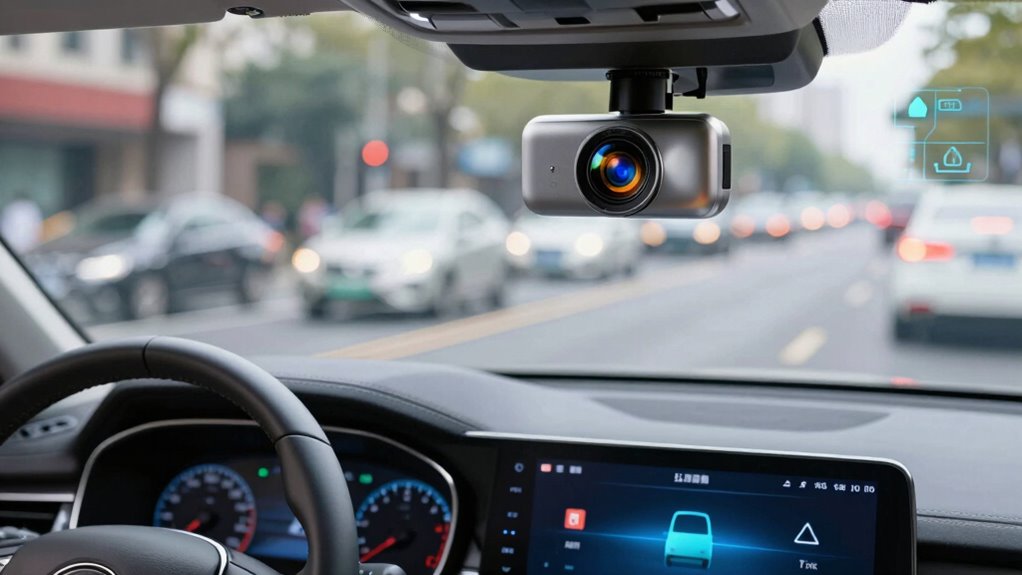

On the road, your data privacy depends on how dashcams, telematics, and legal rules handle your info. You must give clear consent for devices to collect or share your location, driving habits, or footage. Encryption safeguards your data when it’s transmitted or stored, but you should stay aware of current laws that restrict data collection and sharing. Understanding these points helps ensure your privacy stays protected—if you want to learn more, there’s important information ahead.

Get business pricing on garage and car supplies
- Business-only prices and quantity discounts
- Tax-exempt purchasing
- Multiple users, one account, clear invoices
Key Takeaways
- Driver consent is essential for lawful data collection from dashcams and telematics devices.
- Encrypting data during transmission and storage protects against unauthorized access and hacking.
- Recording footage can raise privacy concerns; transparency and legal notification are often required.
- Legal regulations govern data sharing, storage, and the use of vehicle data to ensure user privacy rights.
- Using up-to-date security protocols and understanding legal limits helps maintain data privacy on the road.

As you navigate through busy streets and connect to public Wi-Fi, your data becomes vulnerable to unauthorized access. Every tap on your mobile device or interaction with vehicle systems can expose sensitive information if you’re not careful. That’s why understanding how driver consent and data encryption play crucial roles in protecting your privacy on the road is essential. When companies or apps collect your data—whether it’s from dashcams, telematics systems, or navigation services—they often rely on driver consent to legitimize their data collection. Without your explicit approval, they shouldn’t access or share your information. Being aware of what you agree to when installing or activating these devices helps you maintain control over your data. Additionally, data encryption is a critical safeguard. It encodes your information so that even if hackers intercept it, they can’t read or misuse it. Modern vehicles and connected devices increasingly use robust encryption protocols to secure data in transit and storage, but you should verify that your systems employ up-to-date encryption standards. encryption protocols ensure your data remains protected from unauthorized access. Dashcams, for instance, record footage that might include not only your driving habits but also personal details of pedestrians or other drivers. While these devices can serve as valuable evidence in accidents, they also raise privacy concerns for those captured on camera. Many jurisdictions now require driver consent or notify individuals when recording takes place, emphasizing the importance of transparency. Knowing that your dashcam footage is protected through encryption reassures you that your recordings won’t fall into the wrong hands. Telematics systems gather data about your vehicle’s location, speed, and driving patterns, often transmitting this information to fleet managers or insurance providers. These systems can improve safety and efficiency but also pose risks if data isn’t properly secured. Ensuring that your telematics provider uses encrypted data transmission helps prevent interception or tampering. It’s equally important to understand who has access to your data and whether they obtain your driver consent beforehand. Legal limits around data collection and sharing are evolving rapidly. Some regions require explicit driver consent before any data collection begins, while others impose restrictions on how long data can be stored or shared. Staying informed about these regulations helps you advocate for your privacy rights. Ultimately, combining driver consent with robust data encryption practices gives you greater confidence that your information remains private. When you’re aware of how your data is handled and take steps to verify secure practices, you can enjoy the benefits of connected vehicle technology without sacrificing your privacy.
As an affiliate, we earn on qualifying purchases.
Frequently Asked Questions
How Do Dashcam Recordings Impact Driver Anonymity?
Dashcam recordings can profoundly impact your driver anonymity by capturing your image, license plate, and surroundings, raising privacy implications. You might not realize how easily data security can be compromised if recordings are mishandled or accessed without proper safeguards. This exposure can lead to identification, tracking, or misuse of your data, so it’s essential to understand how your footage is stored, shared, and protected to maintain your privacy on the road.
Are Telematics Data Shared With Third-Party Advertisers?
Telematics data often travels to third-party entities, sparking serious sharing and advertising concerns. You should stay suspicious of how your data is transferred, as third-party sharing can lead to targeted advertising and privacy breaches. While some companies promise data protection, others may sell your info to advertisers, risking your privacy. Always ask about data policies before consenting, and stay vigilant against unwarranted sharing that could compromise your confidentiality.
What Rights Do Drivers Have Over Their Telematics Data?
You have rights over your telematics data, including driver consent and data ownership. You can request access to the data collected, and in many cases, you can also ask for its correction or deletion. Car companies and insurers typically need your consent before sharing or using your data beyond the intended purpose. Stay informed about your rights to make certain your telematics data remains protected and under your control.
Can Law Enforcement Access Telematics Footage Without a Warrant?
Think of your telematics data like a diary; law enforcement usually can’t peek without a warrant, much like you’d want privacy for personal thoughts. Generally, privacy regulations protect your data ownership, meaning they need legal procedures to access it. However, in emergencies or specific investigations, authorities might bypass this, but only within strict legal limits. Always stay informed about your rights and how your data’s protected.
How Long Is Telematics Data Stored by Companies?
You should know that telematics data storage durations vary by company, typically ranging from a few months to several years. Check the company’s privacy policies to understand their data retention practices, as these policies specify how long they keep your data. Companies often retain data for operational, legal, or safety reasons, but they must also comply with privacy laws to protect your personal information.
vehicle telematics data security device
As an affiliate, we earn on qualifying purchases.
As an affiliate, we earn on qualifying purchases.
Conclusion
So, next time you’re caught on camera or your car’s spying on you, remember: privacy’s taking a back seat. Dashcams and telematics promise safety, but at what cost? You’re fine with your every move recorded—until someone else’s footage gets shared. The road to privacy’s a bumpy ride, full of legal twists and turns. Buckle up, because in this high-tech highway, your personal data’s the new passenger—whether you like it or not.
As an affiliate, we earn on qualifying purchases.
As an affiliate, we earn on qualifying purchases.
Halloween Picks
halloween
As an affiliate, we earn on qualifying purchases.