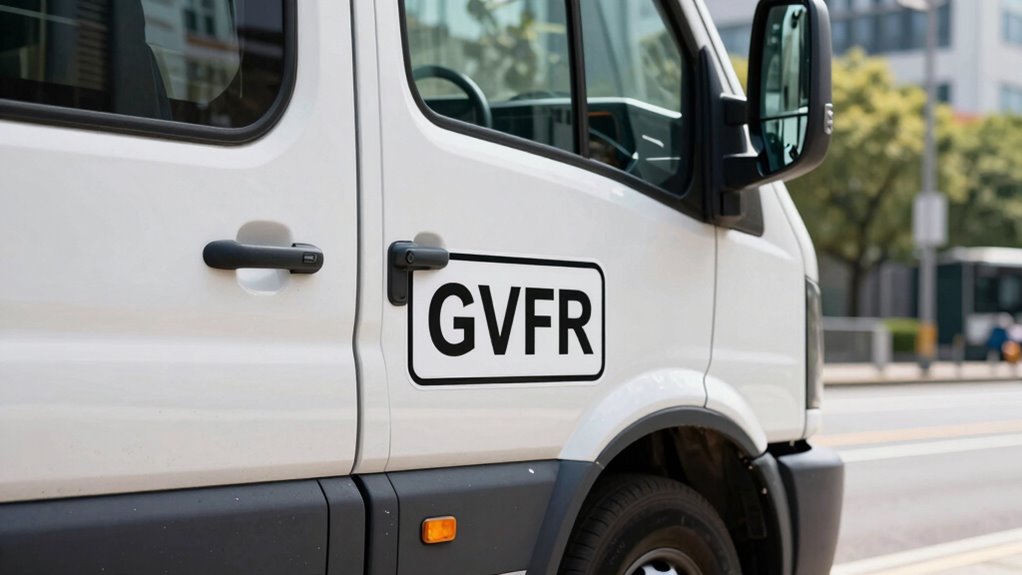

To determine how much your Transit can carry legally, you need to understand its payload capacity and GVWR. The payload is the maximum weight your vehicle can hold, including cargo and passengers, while the GVWR is the total weight the vehicle can handle when fully loaded. Staying within these limits is vital for safety, legal compliance, and vehicle longevity. If you continue, you’ll discover how to calculate these capacities and make certain you’re always within safe loading limits.

Get business pricing on garage and car supplies
- Business-only prices and quantity discounts
- Tax-exempt purchasing
- Multiple users, one account, clear invoices
Key Takeaways
- Payload is the total weight your vehicle can safely carry, including cargo, passengers, and accessories, without exceeding limits.
- GVWR is the maximum total weight your vehicle can handle when fully loaded, combining its own weight with payload and cargo.
- Always check your vehicle’s manual or sticker to find the specified payload capacity and GVWR for legal compliance.
- Towing capacity is separate but related; ensure trailer weight plus load stays within both towing limits and GVWR.
- Proper weight distribution and weighing loads beforehand help ensure safe, legal, and optimal vehicle performance.

Understanding payload and gross vehicle weight rating (GVWR) is essential for safe and efficient vehicle operation. When you’re planning to haul heavy loads, whether it’s equipment, cargo, or passengers, knowing your vehicle’s limits helps prevent accidents and costly damage. Your vehicle’s payload capacity is the maximum weight it can carry, including everything from the cargo itself to passengers and any accessories. Exceeding this limit can compromise safety and cause undue wear on your vehicle’s suspension, brakes, and tires. On the other hand, GVWR is the total weight your vehicle is rated to handle when fully loaded, including the vehicle’s own weight plus everything it’s carrying.
Understanding payload and GVWR ensures safe, efficient vehicle operation and prevents costly damage during heavy loads.
One critical aspect of managing your payload is understanding and maximizing your towing capacity along with weight distribution. Towing capacity refers to how much weight your vehicle can pull safely, which is especially important if you’re attaching trailers or other heavy loads. When towing, it’s crucial to stay within both your vehicle’s towing capacity and GVWR to avoid overloading. Overloading can lead to decreased braking performance, poor handling, and increased risk of accidents. Proper weight distribution is equally important—placing cargo evenly across the vehicle and trailer helps maintain stability. If weight shifts toward the rear or front unevenly, it can cause sway or loss of control, especially at higher speeds.
You should always consult your vehicle’s manual or manufacturer’s specifications to understand its specific payload and towing limits. These figures are determined by factors like chassis strength, axle ratings, and braking systems. When loading your vehicle, keep in mind that distributing weight properly isn’t just about safety; it also affects your ability to stay within legal limits. Many vehicles have payload stickers or labels that specify maximum capacities, which you should never overlook. Remember, the goal isn’t just to avoid fines but to ensure your safety and the longevity of your vehicle.
In practical terms, always weigh your load before hitting the road to confirm it’s within the recommended payload. Use proper weight distribution techniques—placing heavier items closer to the vehicle’s center and ensuring even load spread across axles. When towing, attach the trailer correctly, and check that the tongue weight and trailer load comply with your vehicle’s limits. By understanding your vehicle’s payload and GVWR and paying attention to towing capacity and weight distribution, you can confidently transport heavy loads without risking safety or legal issues. Staying within these limits ensures your vehicle performs at its best and keeps you protected on every trip.
Products Worth Considering

Autel MaxiCheck MX808S Bidirectional OBD2 Diagnostic Scanner

NOCO Boost X GBX155 4250A UltraSafe Jump Starter

NOCO Boost GBX75 2500A UltraSafe Jump Starter, 12V Lithium Battery Booster
As an affiliate, we earn on qualifying purchases.
Frequently Asked Questions
How Do I Calculate My Vehicle’s Payload Capacity Accurately?
To calculate your vehicle’s payload capacity accurately, start by finding your vehicle’s curb weight from the manufacturer’s specifications. Then, check the Gross Vehicle Weight Rating (GVWR) to know the maximum safe weight. Subtract the curb weight from the GVWR, and you’ll get your payload capacity. Always follow safety regulations, and remember that exceeding this limit can compromise vehicle safety and legality.
What Are the Legal Consequences of Exceeding GVWR?
Exceeding your GVWR is like pushing a balloon until it bursts—you risk serious legal penalties and insurance issues. Authorities can fine you, revoke your license, or even impound your vehicle. If an accident occurs, your insurance may refuse coverage, leaving you to cover damages out of pocket. Stay within the limit to avoid these costly consequences and keep your vehicle and license safe on the road.
Can Modifications Affect My Vehicle’s Payload or GVWR?
Modifications like upgrading your vehicle suspension or adding aftermarket upgrades can definitely affect your vehicle’s payload and GVWR. These changes may increase your vehicle’s capacity, but they can also alter its weight distribution and overall safety. Always check with your manufacturer or a professional before making modifications, as improper upgrades could lead to exceeding legal limits, risking fines or safety issues. Stay within legal limits for ideal safety and compliance.
How Does Towing Capacity Relate to Payload and GVWR?
Think of your vehicle’s towing capacity as its heart’s limit for pulling weight, directly linked to trailer weight you can tow safely. Towing capacity determines how much additional load, like a trailer, your Transit can handle without surpassing its GVWR. If you tow a heavy trailer, make certain the combined trailer weight and payload stay within your vehicle’s towing capacity and GVWR, keeping your ride safe and legal.
Are There Differences in Payload Limits for Commercial Versus Personal Use?
Yes, there are differences in payload limits for commercial versus personal use. Commercial restrictions often set lower payload limits to make certain of safety and compliance with regulations, while personal allowances tend to be higher, giving you more flexibility. You should always check your vehicle’s specific payload capacity and adhere to the GVWR to avoid penalties or damage. Understanding these limits helps you stay within legal boundaries and protect your vehicle’s longevity.
Conclusion
Now that you know how payload and GVWR work together, it’s almost like your transit vehicle was built just for your needs. The coincidence? Understanding these limits helps you avoid surprises on the road, keeping you safe and legal. So, next time you load up, remember: knowing your vehicle’s capacity isn’t just smart — it’s essential. After all, the right balance can turn a simple trip into a smooth, worry-free journey.