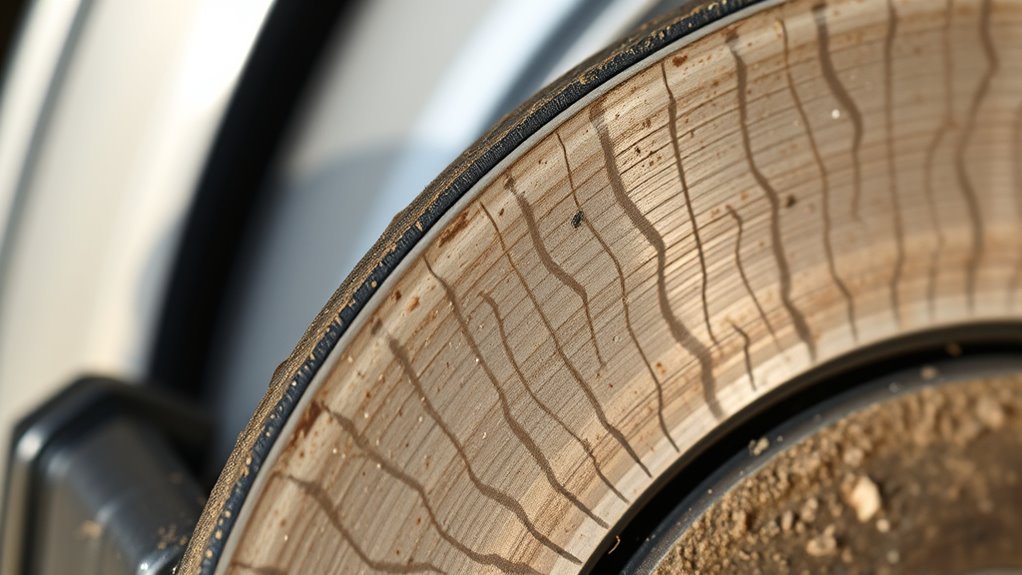

Regenerative braking on your E‑Transit helps reduce brake wear by converting kinetic energy into electricity during deceleration, meaning you rely less on traditional brake components like pads and rotors. This process decreases heat buildup and minimizes the frequency of brake repairs, extending the lifespan of your brake system. As a result, your vehicle requires less maintenance and saves you money over time. If you want to understand how regenerative braking impacts performance further, keep exploring these benefits.

Get business pricing on garage and car supplies
- Business-only prices and quantity discounts
- Tax-exempt purchasing
- Multiple users, one account, clear invoices
Key Takeaways
- Regenerative braking reduces mechanical brake usage, decreasing wear on pads and rotors.
- Less frequent mechanical braking extends the lifespan of brake components.
- During deceleration, energy is recovered, lessening the need for traditional brake application.
- Mechanical brakes are still engaged for emergency stops, maintaining safety and performance.
- Overall brake wear on the E‑Transit is minimized, leading to lower maintenance costs and longer component life.
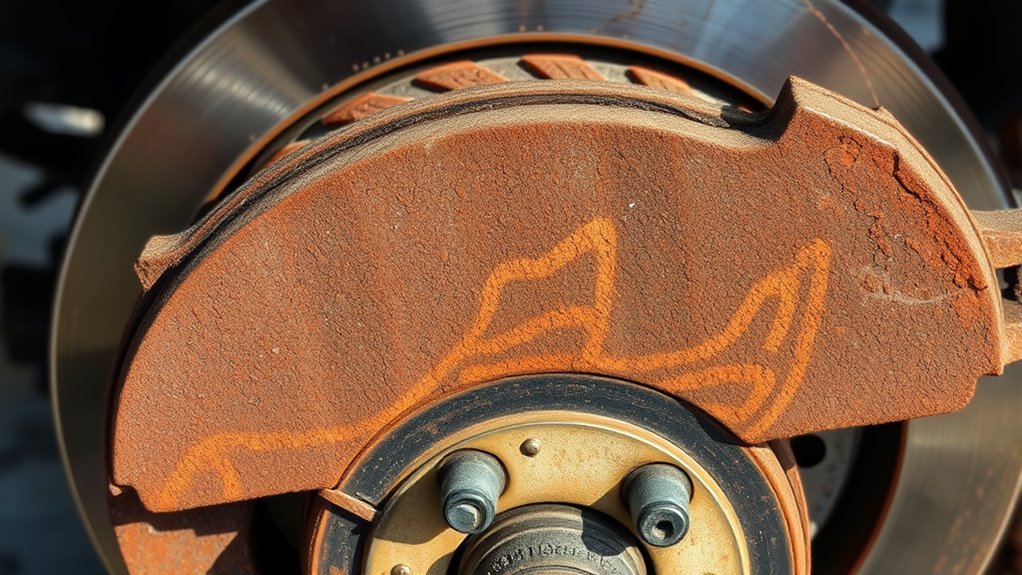
As an electric vehicle, the Ford E‑Transit benefits from regenerative braking, which can reduce overall brake wear. When you step off the accelerator or press the brake pedal, the system captures kinetic energy that would otherwise be lost as heat. Instead of relying solely on traditional friction brakes, the E‑Transit converts this energy into electricity, recharging the battery.
Regenerative braking in the Ford E‑Transit reduces brake wear by converting kinetic energy into electricity during deceleration.
This process not only extends your vehicle’s range but also lessens the demand on your brake pads and rotors, leading to less frequent replacements.
You’ll notice that during city driving or stop-and-go traffic, the regenerative system becomes highly active. Every time you slow down, the electric motor switches to generator mode, harvesting energy and easing the load on your mechanical brakes. This seamless changeover means you experience smoother deceleration without the typical feel of pressing hard on the brake pedal.
Over time, this reduces the heat buildup and wear on your brake components, which are typically the most prone to deterioration in traditional vehicles.
However, regenerative braking isn’t a complete substitute for conventional braking. There will still be situations where you need to apply the mechanical brakes, such as sudden stops or emergency braking. When you do, the brake pads and rotors handle the load, but because they’re used less frequently and with less intensity, their lifespan tends to be longer.
This can translate into cost savings and less maintenance over the vehicle’s lifespan.
You might also notice that the brake pedal feel varies depending on how much regenerative braking is active. In some cases, the pedal might feel softer or more gradual, especially if you’re light on the brake. This is because the system is automatically adjusting to optimize energy recovery and comfort.
If you prefer a more traditional brake response, some vehicles offer settings to adjust regenerative braking strength, giving you more control over how aggressive the energy harvesting feels.
In the end, understanding how regenerative braking impacts brake wear helps you better maintain your E‑Transit. Because the system reduces reliance on mechanical brakes, you’ll likely find that brake pad and rotor replacements are needed less often.
This not only saves money but also minimizes downtime and the inconvenience of frequent repairs.
Frequently Asked Questions
How Does Regenerative Braking Impact Overall Brake Lifespan?
Regenerative braking extends your brake lifespan by reducing the wear on traditional brake components. When you activate regenerative braking, the system recovers energy and slows your vehicle using electric motor resistance instead of brake pads.
This lessens the need for physical braking, decreasing wear and tear. Over time, this means you’ll experience less frequent brake repairs and replacements, making your E‑Transit more cost-effective and reliable.
Are There Specific Driving Habits That Reduce Brake Wear?
You can reduce brake wear by adopting smooth driving habits, such as gentle acceleration and gradual braking. Avoid sudden stops and high-speed driving, which strain your brakes more.
Using regenerative braking effectively during deceleration also helps, so anticipate traffic flow to coast whenever possible.
Keeping a safe distance from other vehicles gives you more time to brake gradually, prolonging your brake system’s lifespan and improving overall efficiency.
What Maintenance Is Recommended for Regenerative Braking Systems?
Think of regenerative braking like tuning a vintage radio—it needs regular adjustments. You should regularly inspect the system, check for software updates, and guarantee the batteries are in good condition.
Keep an eye on brake fluid levels and look for any unusual noises or warning lights.
Following the manufacturer’s maintenance schedule helps maximize efficiency and longevity, just like maintaining your classic car for ideal performance over decades.
How Does Brake Wear Differ Between City and Highway Driving?
You’ll notice less brake wear during city driving because regenerative braking constantly recharges the battery, reducing the need for traditional brake use.
On highways, brake wear is typically higher because regenerative braking is less frequently engaged at steady speeds.
In city traffic, you benefit from frequent stops and starts that help preserve your brake components, whereas highway driving relies more on conventional brakes, leading to increased wear over time.
Can Regenerative Braking Fully Replace Traditional Brake Maintenance?
You might think regenerative braking can fully replace traditional brake maintenance, but it can’t. While it reduces wear by recharging the battery during deceleration, it doesn’t eliminate the need for regular brake system checks or replacements.
Over time, components like pads and rotors still wear down from use, and maintenance remains essential to guarantee safety and peak performance of your E-Transit.
Conclusion
By understanding how regeneration impacts brake wear on the E-Transit, you can make smarter driving choices and extend your brake system’s lifespan. Remember, “A penny saved is a penny earned”—by reducing brake wear, you conserve money and maintenance time in the long run. Embrace regenerative braking features, drive efficiently, and you’ll enjoy a smoother ride while keeping costs down. Ultimately, being proactive today ensures a safer, more sustainable journey tomorrow.
Fall Picks
fall essentials
As an affiliate, we earn on qualifying purchases.