
When using public charging stations for your commercial van, respect shared space by moving your vehicle promptly once charging is complete. Be mindful of others waiting, and communicate if your charging takes longer than expected. Handle equipment carefully, disconnect cables properly, and keep the area tidy. Avoid blocking access points or leaving personal items behind. Practicing these etiquette tips helps make certain of smooth access for everyone and keeps the network efficient—more helpful guidance awaits if you continue exploring.
Key Takeaways
- Ensure commercial vans are parked properly and not blocking access for other users or emergency exits.
- Disconnect and store charging cables carefully after charging, avoiding obstruction or hazards.
- Move the vehicle promptly once charging is complete to free the spot for others.
- Communicate with staff or other drivers if your charging needs will take longer than expected.
- Follow posted guidelines and time limits, especially during peak hours, to promote fair access for all users.
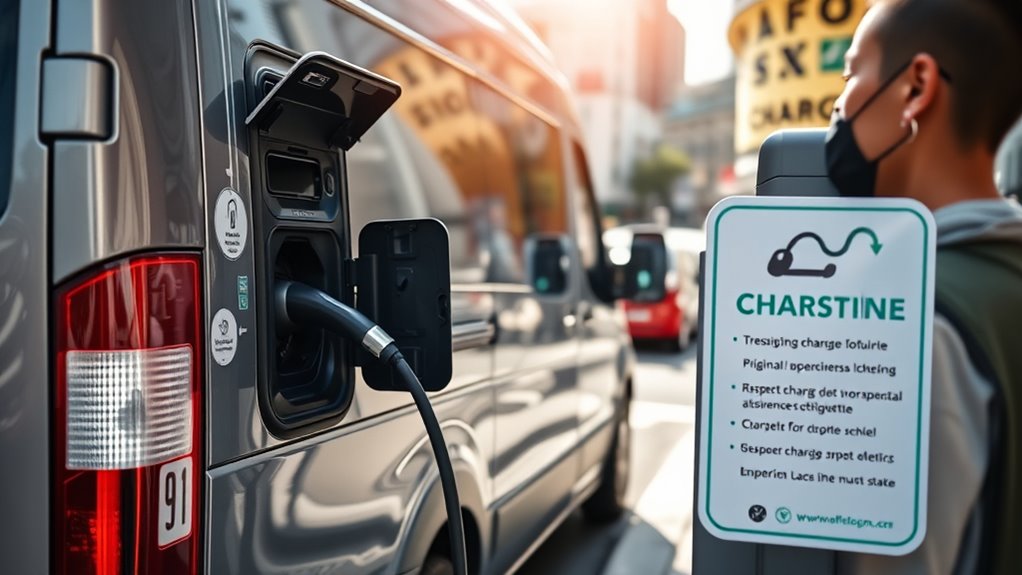
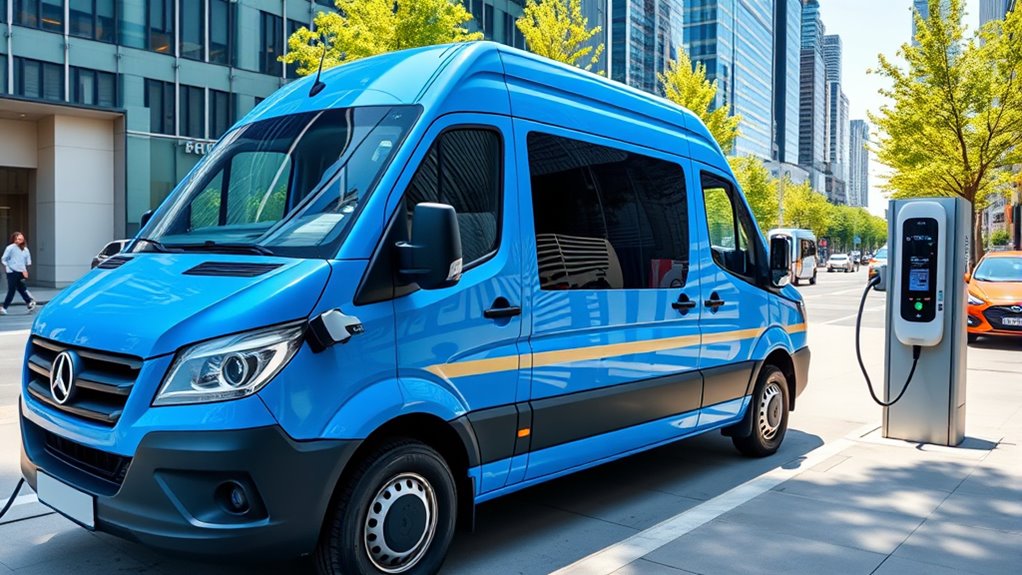
Charging your commercial van in public spaces requires more than just plugging in; it’s about respecting others who need access to the same resources. When you park at a charging station, you become part of a shared community that depends on cooperative behavior. If you’re the first to arrive, make sure you’re prepared to move your vehicle once charging is complete, especially during busy times. Leaving your van plugged in while the battery is full or, worse, occupying a spot for an extended period without charging, can block others from reaching their destinations or completing deliveries. Be mindful of the time you spend at the station, and if there’s a limit posted, stick to it. This simple act shows consideration and keeps the charging network flowing smoothly for everyone.
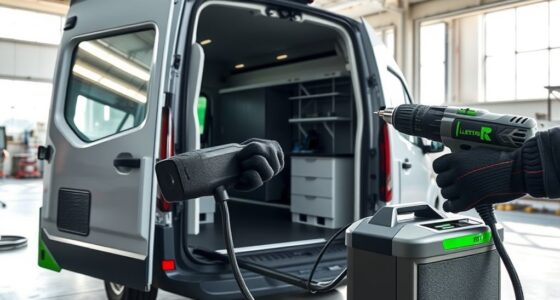
It’s crucial to be aware of your surroundings and the needs of fellow drivers. If someone arrives while your van is charging, check if they’re waiting; a quick glance or a friendly nod can help gauge if they’re in a hurry. If they are, consider moving your vehicle promptly once your charging session ends, even if you’re not done. This small gesture can greatly reduce frustration for others who depend on public chargers. When disconnecting, handle the charging cable carefully and ensure it’s properly stored so it doesn’t become a tripping hazard or block access for others.
Clean up after yourself, and don’t leave any trash or personal items behind—these small acts of courtesy make the charging area pleasant for everyone. If you notice someone waiting and your vehicle is still charging, it’s courteous to let them know how much longer it might take, if possible. Many charging stations display estimated wait times or charging durations, so keep an eye on these indicators. If you’re finished early, unplug and move your van promptly, even if your vehicle still has some capacity left—this frees up the spot for the next commercial driver.
Remember that public chargers are a shared resource, and your behavior can influence the community’s overall experience. Respecting the rules and practicing patience fosters a cooperative environment where everyone can efficiently recharge their vehicles. Ultimately, good public charging etiquette isn’t just about following rules; it’s about being considerate and understanding that you’re part of a larger network. Your actions, small as they may seem, influence the flow of traffic at charging stations and contribute to a more respectful, functional system.
When you treat these shared spaces with care, you help ensure that charging remains accessible and efficient for all commercial drivers, making the process smoother and more pleasant for everyone involved. Being aware of the charging etiquette and practicing patience helps maintain a positive community atmosphere.
Frequently Asked Questions
Can Commercial Vans Reserve Charging Stations in Advance?
Yes, commercial vans can reserve charging stations in advance, but it hinges on the facility. Many charging networks offer reservation options through their apps or websites, allowing you to secure a spot ahead of time. This helps prevent delays and ensures your van stays charged for your schedule.
Always check the specific station’s policies and availability before you plan your trip, so you can avoid unnecessary wait times.
What Should I Do if Charging Station Is Malfunctioning?
When you find a charging station malfunctioning, don’t just throw in the towel. Report the issue to the station operator or management immediately, providing details about the problem.
If possible, try another nearby station to avoid delays. Being proactive helps everyone get back on the road faster.
Are There Specific Charging Protocols for Different Commercial Van Models?
Yes, different commercial van models may have specific charging protocols. You should always refer to the manufacturer’s guidelines for your van to guarantee proper charging procedures.
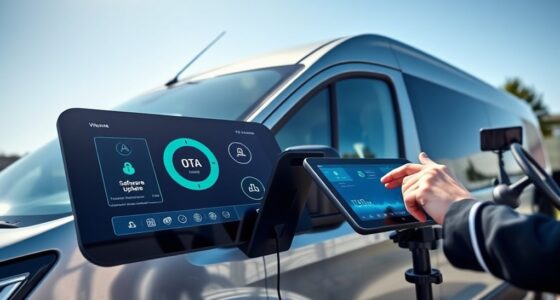
Some models require certain connector types or charging speeds, while others might need particular software updates for maximum performance.
Always check your vehicle’s manual or consult with the manufacturer to follow the correct protocols, preventing potential damage and ensuring efficient charging.
How Do I Handle Charging Station Disputes With Other Drivers?
When a charging station dispute arises, think of it as a game of chess—you need to stay calm and strategic. Politely communicate with the other driver, explaining your situation, and see if you can work out a fair solution.
If needed, politely ask station staff for assistance. Prioritize respectful dialogue; it keeps the charging process smooth and avoids unnecessary roadblocks, ensuring everyone gets back on the road quickly.
What Are the Best Practices for Managing Charging Time During Peak Hours?
During peak hours, you should plan your charging schedule carefully to avoid long waits. Arrive early or during off-peak times, and monitor the station’s usage.
If others are waiting, be courteous by limiting your charging time to what’s necessary and unplugging promptly once full. Communicate politely with fellow drivers, and consider using apps to find less busy stations.
Respect and efficiency help everyone get back on the road faster.
Conclusion
By practicing good charging etiquette, you become a respectful traveler on the busy highway of shared energy. Think of each charging station as a communal lighthouse guiding your van safely to its destination. When you’re courteous and mindful, you help keep the flow smooth and the network strong. Remember, a little courtesy today fuels a smoother journey tomorrow—because in the world of electric vans, kindness is the spark that keeps everything moving forward.