
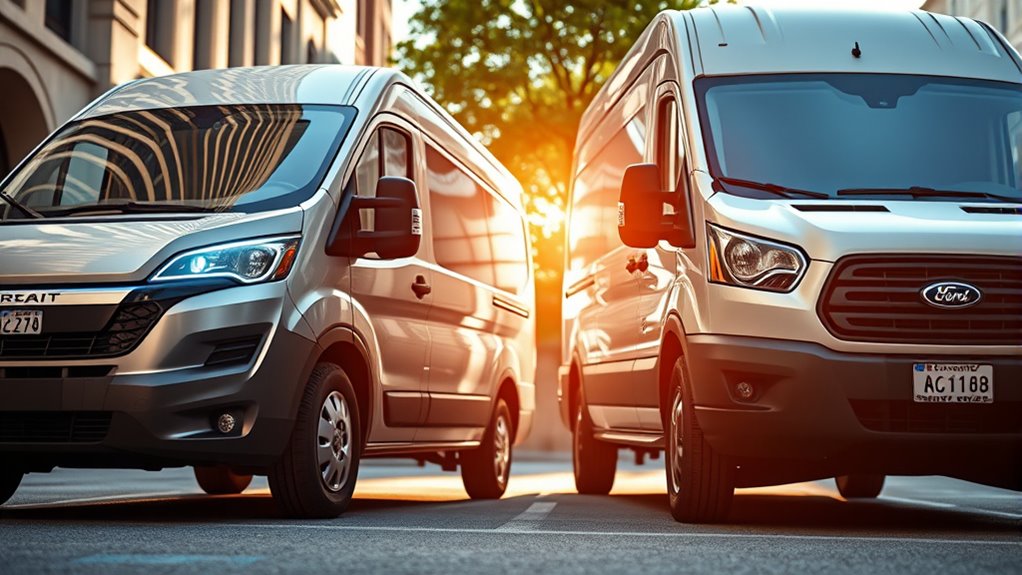
After one year, you’ll likely save money with the E-Transit compared to diesel vans, thanks to lower fuel and maintenance costs. Electric vans are cheaper to operate per mile, especially as charging infrastructure expands, reducing downtime. While the initial purchase price and setup costs are higher, long-term savings offset these expenses. Curious about how these costs break down even further? Keep going for detailed insights on making the most of your fleet investment.

Get business pricing on garage and car supplies
- Business-only prices and quantity discounts
- Tax-exempt purchasing
- Multiple users, one account, clear invoices
Key Takeaways
- Electric vans like E-Transit generally have lower maintenance costs due to fewer moving parts.
- Fuel costs per mile are typically cheaper for electric vans, leading to significant savings.
- Initial infrastructure investments for charging stations can be high but are offset by long-term operational savings.
- Diesel vans incur higher repair and maintenance expenses, increasing total costs over one year.
- Overall, E-Transit often results in lower operating costs after one year due to reduced fuel and maintenance expenses.
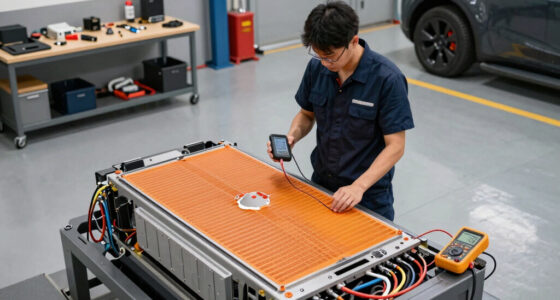
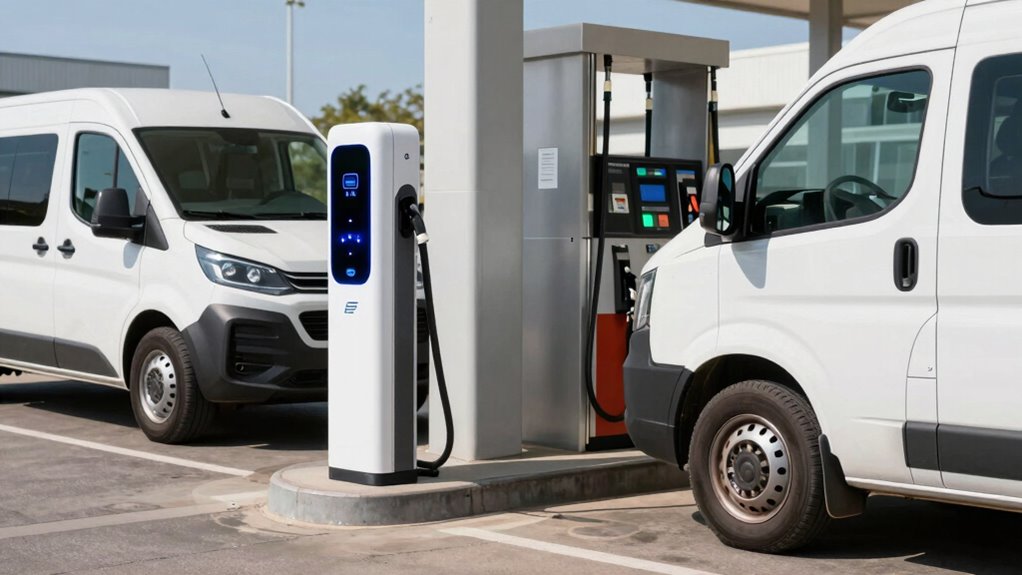
After one year of operation, the cost differences between the E-Transit and traditional diesel vans become clear. You’ll notice that the upfront costs are different, but the ongoing expenses tell a more compelling story. One of the most substantial factors impacting your operating costs is the charging infrastructure required for the E-Transit. Unlike diesel vans, which can refuel quickly at any gas station, electric vans depend on access to reliable charging stations. If your routes are concentrated in urban areas with ample charging options, this setup might be seamless and cost-effective. However, if you operate in more remote locations, you’ll need to invest in installing dedicated charging infrastructure or plan for longer downtime to recharge. This initial investment can be substantial, but over time, it often balances out due to lower fuel costs. Electric charging is generally cheaper per mile than diesel fuel, but the availability and speed of charging stations influence operational efficiency and costs. Smart energy management systems can optimize your charging schedules, reducing costs and downtime. Considering charging infrastructure options and future network expansions can also help you plan more effectively. As the electric vehicle market continues to grow, the expansion of charging networks is expected to reduce hesitation around adoption and operational challenges. Furthermore, ongoing technological advancements are making electric vehicle maintenance even more cost-effective and accessible, which benefits fleet operators. In terms of maintenance, the differences become even more pronounced after a year. Electric vans like the E-Transit have considerably fewer moving parts compared to diesel engines. You won’t need oil changes, fuel filters, or exhaust system repairs, which drastically reduces your maintenance costs. The fewer parts that wear out means fewer trips to the mechanic and less money spent on repairs. Conversely, diesel engines are more complex, with more components that require regular upkeep. Over the course of a year, these maintenance costs accumulate, making diesel vans more expensive to keep on the road in the long run. Additionally, electric motors are generally more reliable and have longer intervals between servicing, further cutting down your maintenance expenses. The reduced complexity also means less downtime for repairs, keeping your fleet operational and productive. While the initial purchase price of an E-Transit may be higher, the savings you’ll see in maintenance and fuel costs can outweigh that difference pretty quickly. Managing the charging infrastructure might seem intimidating initially, but as the network improves and your familiarity with electric vehicle operations grows, it becomes a manageable part of your routine. Overall, after a year, the lower maintenance costs of the E-Transit and the decreasing expense of charging make it an increasingly attractive option compared to traditional diesel vans. The key is evaluating your specific route needs and infrastructure availability, but the operating cost savings, especially in maintenance, are clear and substantial.
Frequently Asked Questions
How Do Maintenance Costs Compare Between E-Transit and Diesel Vehicles?
You’ll find that maintenance costs are generally lower for the E-Transit compared to diesel vehicles. With fewer moving parts, you avoid many repair expenses, and the battery longevity means fewer replacements over time. However, you should budget for occasional battery checks and potential repairs. Overall, electric vehicles tend to be more cost-effective to maintain, saving you money on repairs and upkeep in the long run.
What Are the Resale Values After One Year for Each Vehicle Type?
You’ll be amazed how quickly vehicle resale values change—almost like a rollercoaster! After one year, electric Transits tend to hold their value better in the resale market, thanks to rising EV demand, while diesel vehicles usually experience faster depreciation. Expect the E-Transit to retain a higher percentage of its original price, making it a smarter investment short-term, especially if resale value matters to you.
How Does Charging Infrastructure Impact Overall Operating Costs?
Charging infrastructure crucially impacts your overall operating costs. With more charging stations available, you’ll spend less on energy costs and reduce downtime. Convenient access to charging stations means quicker turnaround times and fewer delays, saving you money. Keep in mind, energy costs can fluctuate based on location and electricity rates. Investing in reliable charging infrastructure ensures consistent operations and helps control your expenses over time, making your vehicle more cost-effective.
Are There Tax Incentives Affecting the Total Cost of Ownership?
Yes, tax incentives like tax credits and government rebates can markedly lower your total cost of ownership for electric vehicles like the E-Transit. These incentives reduce your upfront costs and may also provide ongoing benefits, making EVs more affordable in the long run. Be sure to check current federal and state programs, as eligibility and amounts can vary, helping you save money while choosing a greener option.
How Do Driving Patterns Influence Operating Expenses for Both Vehicles?
Think of your vehicle like a garden hose—your driving habits and route variability are the water flow. If you mostly take short, stop-and-go drives, electric vehicles like the E-Transit tend to have lower operating costs because they’re more efficient in city conditions. Conversely, if your routes are long and consistent, diesel engines may cost less over time. Your driving pattern directly impacts maintenance, fuel, and charging or refueling expenses.
Conclusion
After a year, you’ll notice the e-Transit’s lower operating costs shine compared to diesel. While the diesel may seem cheaper upfront, ongoing fuel and maintenance expenses add up quickly. The electric version offers savings in fuel and fewer repairs, making it more economical in the long run. So, as you weigh your options, remember that the initial investment might be higher, but the ongoing savings make the e-Transit a smarter choice over time.
Halloween Picks
halloween
As an affiliate, we earn on qualifying purchases.