Route optimization for service and delivery vans involves planning the most efficient routes by considering factors like delivery windows, vehicle capacity, traffic, and road conditions. Using specialized software helps you find the shortest, fastest routes that reduce fuel costs, vehicle wear, and on-road time. This approach guarantees punctual deliveries and improves overall productivity. To get a deeper understanding of how to implement these strategies effectively, explore the key principles behind route optimization.
Key Takeaways
- Route optimization minimizes travel distance and time, ensuring faster deliveries for service and delivery vans.
- It considers variables like delivery windows, vehicle capacity, traffic, and geographic locations for efficient planning.
- Automated software helps create dynamic routes that adapt to real-time traffic and operational constraints.
- Effective route management reduces fuel costs, vehicle wear, and environmental impact while improving punctuality.
- Prioritizing delivery windows and adjusting routes based on data enhances overall service reliability and operational efficiency.
Have you ever wondered how companies deliver packages quickly and efficiently? The secret often lies in route optimization, a process that helps you plan the best possible paths for your service or delivery vans. When you’re managing multiple stops across a city or region, figuring out the most efficient route isn’t just about reducing travel time; it’s about saving fuel, minimizing driver fatigue, and improving customer satisfaction.
By optimizing your routes, you ensure that each delivery is completed in the shortest possible time, without unnecessary backtracking or delays. At its core, route optimization involves analyzing multiple variables—such as delivery windows, vehicle capacity, traffic patterns, and geographic locations—to create the most efficient route sequence.
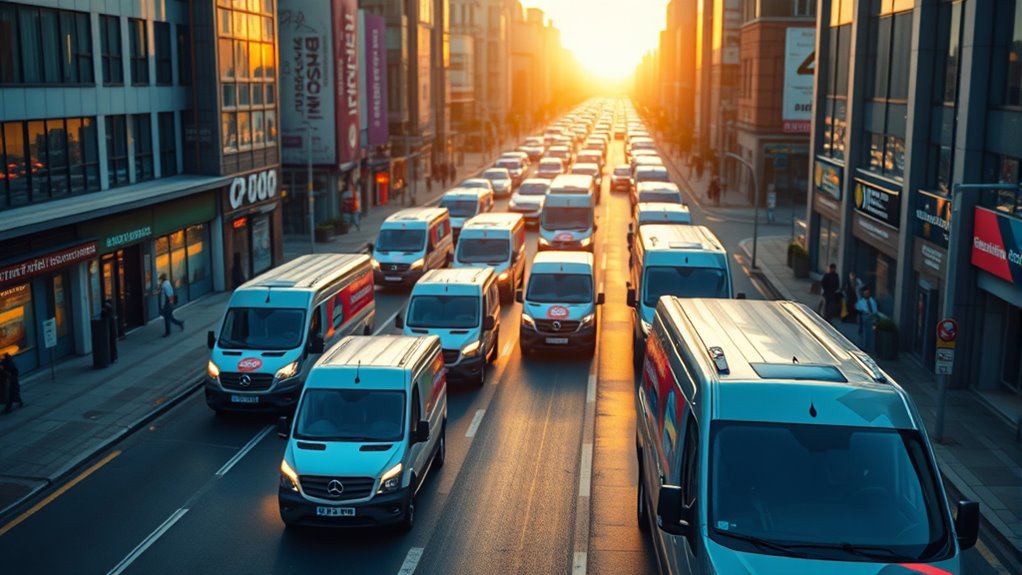
Optimizing routes minimizes delays and backtracking, ensuring faster, more efficient deliveries with smarter planning.
You can manually plan routes, but as your delivery network grows, this becomes impractical and error-prone. That’s where technology comes in. Using specialized software, you input your delivery addresses, constraints, and priorities, and the program calculates the optimal route. It considers real-time data, like traffic congestion or road closures, to make adjustments on the fly. This dynamic planning ensures you’re always operating at peak efficiency.
When you implement route optimization, you gain several tangible benefits. First, your drivers spend less time on the road, which reduces fuel consumption and vehicle wear and tear. Second, deliveries are more predictable and punctual, leading to higher customer satisfaction. Your team can also handle more deliveries in less time, increasing overall productivity. Plus, by minimizing unnecessary mileage, you cut down on your company’s carbon footprint, aligning your operations with sustainability goals.
Effective route planning also helps you avoid common pitfalls, such as overlapping routes or missed stops. Instead of relying on memory or manual lists, you get a clear, data-driven plan that accounts for various constraints. For example, if a customer requests a specific delivery window, your system can prioritize that stop accordingly. Or, if a vehicle has limited capacity, the route can be adjusted to prevent overloading. This level of precision ensures your service remains reliable and professional.
In short, mastering route optimization means leveraging technology to streamline your operations. It’s about making smarter decisions that benefit your business, your drivers, and your customers. Whether you’re managing a handful of vans or a large fleet, understanding the basics of route optimization empowers you to deliver more efficiently, reduce costs, and stay ahead in a competitive market. Additionally, incorporating low light office plants into your workspace can help create a more comfortable environment for your team, promoting well-being and productivity during long planning sessions.
Frequently Asked Questions
How Does Real-Time Traffic Affect Route Planning?
Real-time traffic considerably impacts your route planning by helping you identify delays and congestion as they happen. When you monitor live traffic data, you can quickly adjust your routes to avoid traffic jams, saving time and fuel.
This dynamic approach ensures timely deliveries and better customer satisfaction. By staying flexible and responsive to current conditions, you keep your operations efficient and reduce the risk of late arrivals or unnecessary detours.
Can Route Optimization Adapt to Last-Minute Delivery Changes?
Yes, route optimization can accommodate last-minute delivery changes. When you use dynamic routing software, it updates your plans instantly as new information arrives, such as cancellations or urgent deliveries.
You simply input the changes, and the system recalculates the most efficient routes on the fly. This flexibility helps you save time, reduce fuel costs, and ensure timely deliveries, even when your schedule shifts unexpectedly.
What Are the Cost Benefits of Route Optimization?
You save up to 25% on fuel costs and reduce vehicle wear and tear with route optimization. It helps you cut back on overtime and lowers labor expenses by streamlining delivery schedules.
Plus, improved efficiency means fewer missed deliveries and happier customers. Overall, optimizing routes boosts your profits, saves money, and enhances service quality, making it a smart investment for your business.
How Does Route Optimization Improve Driver Safety?
Route optimization improves your driver safety by reducing driving time and minimizing exposure to hazardous conditions. It helps you avoid congested areas, dangerous roads, and bad weather zones, decreasing the risk of accidents.
What Software Tools Are Best for Small Fleet Route Optimization?
Think of software tools like Route4Me, OptimoRoute, and MapQuest as your trusty compass in a bustling city. They help you plan the most efficient routes, saving time and fuel.
These user-friendly platforms are perfect for small fleets, offering real-time updates and easy-to-use interfaces.
With their help, you can reduce delivery times, enhance driver safety, and keep your operations running smoothly—much like a seasoned navigator guiding you through unfamiliar territory.
Conclusion
By optimizing your routes, you can cut fuel costs by up to 30% and save hours on the road each week. Imagine delivering more parcels with less stress and better efficiency—that’s the power of good route planning. With today’s advanced tools, you’re not just guessing; you’re making data-driven decisions. So, start applying these basics now and watch your delivery times shrink while your savings grow. Your fleet and customers will thank you!