
To tackle soaring fuel costs in your van fleet, focus on route optimization with GPS and real-time data, which cuts unnecessary mileage and reduces idle time. Promote smooth driving habits and keep vehicles well-maintained to improve efficiency. Use telematics to monitor fuel use and identify areas for improvement, and consider adding fuel-saving tech. Implementing these strategies can notably lower expenses, and if you continue exploring, you’ll discover even more ways to maximize your fuel management efforts.

Get business pricing on garage and car supplies
- Business-only prices and quantity discounts
- Tax-exempt purchasing
- Multiple users, one account, clear invoices
Key Takeaways
- Implement route optimization tools to reduce travel distance and avoid traffic congestion, saving fuel costs.
- Promote smooth driving habits and regular vehicle maintenance to enhance fuel efficiency.
- Utilize telematics and fleet management software to monitor fuel consumption and identify inefficiencies promptly.
- Adopt fuel-saving technologies such as aerodynamic enhancements and engine upgrades for better performance.
- Plan routes strategically, considering traffic patterns and delivery priorities, to minimize idle time and unnecessary fuel use.
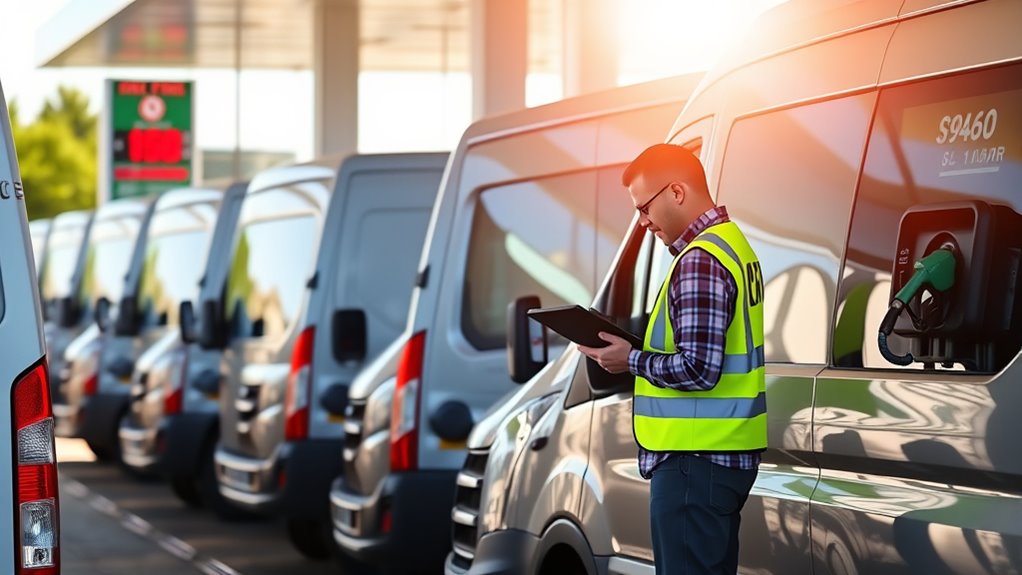
Managing fuel efficiently is essential for reducing costs and minimizing environmental impact. When you’re responsible for a van fleet, understanding how to improve fuel efficiency can make a substantial difference in your bottom line. One of the most effective ways to boost fuel efficiency is through route optimization. By carefully planning your routes, you can avoid unnecessary detours, reduce idle time, and ensure your drivers take the most direct paths to their destinations. This not only conserves fuel but also shortens delivery times, leading to happier customers and more efficient operations.
Route optimization involves leveraging technology like GPS and route-planning software. These tools analyze traffic patterns, road conditions, and delivery priorities to suggest the most efficient routes. When you implement these strategies, you eliminate guesswork and minimize the risk of backtracking or getting stuck in traffic jams. As a result, your drivers spend less time idling and more time on productive trips, which directly improves fuel economy. Remember, even small improvements in routing can lead to substantial savings over time, especially when scaled across multiple vehicles.
Leveraging GPS and route-planning software minimizes guesswork and boosts fuel efficiency across your fleet.
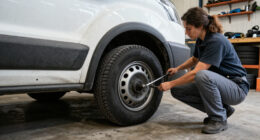
In addition to route optimization, paying attention to driving habits can considerably impact fuel efficiency. Encourage your drivers to adopt smooth acceleration and deceleration, maintain steady speeds, and avoid excessive idling. These practices reduce fuel consumption and decrease engine wear. Regular vehicle maintenance also plays a critical role; keeping tires properly inflated, changing oil on schedule, and ensuring filters are clean all help your vans operate at peak efficiency. When your fleet is well-maintained, it runs more smoothly and uses less fuel, extending the lifespan of your vehicles and lowering overall costs.
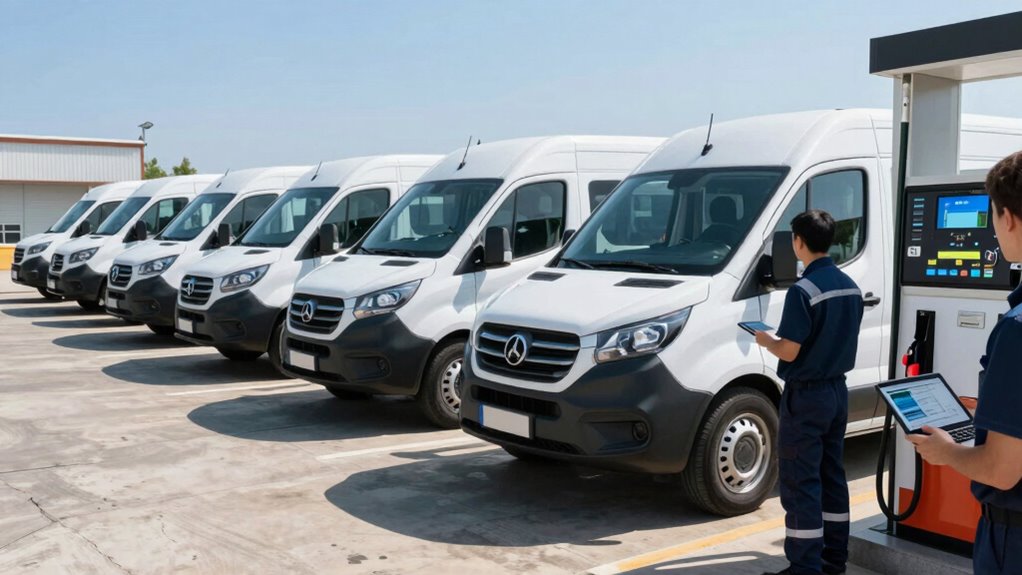
Monitoring fuel consumption continuously allows you to identify patterns and address issues promptly. Using telematics and fleet management software, you can track real-time fuel usage and pinpoint inefficiencies. If you notice a particular vehicle consumes more fuel than expected, it could indicate maintenance needs or driver behavior issues. Addressing these concerns quickly prevents waste and keeps your fleet operating at optimal efficiency. Additionally, innovative European cloud servers can securely store and analyze large volumes of fleet data, facilitating smarter decision-making. Incorporating fuel-saving technologies such as aerodynamic enhancements or engine upgrades can also contribute to overall savings. Furthermore, understanding fuel consumption patterns helps you implement targeted strategies for continuous improvement. Focusing on connected technology can provide valuable insights that enable proactive adjustments and enhance overall fuel management.
Ultimately, managing fuel effectively combines strategic planning with day-to-day operational practices. By focusing on route optimization, promoting fuel-conscious driving habits, maintaining vehicles properly, and leveraging technology to monitor consumption, you can considerably reduce your fuel costs. This proactive approach not only helps you stay competitive in a challenging market but also contributes to a greener, more sustainable operation. In today’s environment, where fuel prices fluctuate and environmental concerns grow, taking control of your fuel management is more important than ever.
Products Worth Considering

DEWALT 20V MAX Drill and Impact Driver Combo Kit (DCK240C2)
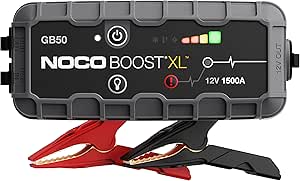
NOCO Boost GB50 1500A UltraSafe Jump Starter, 12V Lithium Battery Booster

NOCO Boost X GBX155 4250A UltraSafe Jump Starter
As an affiliate, we earn on qualifying purchases.
Frequently Asked Questions
How Can Telematics Improve Fuel Efficiency?
Telematics enhances your fuel efficiency by providing real-time data on driving habits and vehicle performance. You can then promote eco-driving techniques, such as smooth acceleration and braking, to reduce fuel consumption. Additionally, telematics helps with route optimization, allowing you to select the most efficient paths, cutting down on unnecessary miles and idling. This combination ensures your fleet uses fuel more wisely, saving costs and lowering emissions.
What Are the Best Practices for Driver Training?
Think of driver training as planting seeds for success. You should focus on emphasizing driver safety and route optimization, which are essential for efficiency. Use hands-on coaching, regular refresher courses, and real-time feedback to reinforce good habits. Encourage your drivers to stay alert and plan routes ahead. This approach helps reduce fuel costs, prevent accidents, and keeps your fleet running smoothly, like a well-oiled machine.
How Do Weather Conditions Affect Fuel Consumption?
Weather patterns considerably impact your fuel consumption, especially during extreme conditions. Cold weather can reduce engine efficiency and increase fuel temperature demands, while hot weather causes your engine to work harder and can lead to higher fuel vaporization. Windy conditions create resistance, making your van work harder. By understanding these factors, you can adjust your driving habits and vehicle maintenance to optimize fuel efficiency and reduce costs.
What Are Cost-Effective Fuel Card Options?
Looking for cost-effective fuel card options? Consider choosing reliable fuel card providers that prioritize price perks and payment simplicity. By comparing providers, you can find options that offer significant savings, streamline spending, and improve fuel management. Many providers also feature discounts, rebates, or rewards, helping you maximize cost savings. Focus on flexibility, affordability, and features to find a fuel card that fits your fleet’s needs and boosts your bottom line.
How Often Should Fleet Fuel Audits Be Conducted?
You should conduct fuel audits regularly, ideally every three to six months, to effectively monitor fuel consumption and identify discrepancies. Frequent audit frequency helps you catch issues like fuel theft or inefficiencies early, ensuring your fleet stays cost-effective. Keep detailed records of fuel transactions, compare them with vehicle logs, and look for patterns that signal potential problems. Regular audits empower you to optimize fuel management and control costs effectively.
Conclusion
By mastering fuel management, you’ll turn your van fleet into a finely tuned, money-saving machine that chews through fuel like a ravenous beast devours prey. Say goodbye to soaring costs and hello to a future where your fleet runs smoother than a well-oiled engine, leaving your competitors choking on dust. With these strategies, you’ll conquer fuel expenses so effectively, you’ll feel like you’ve got a magic wand—making costs vanish before your eyes!