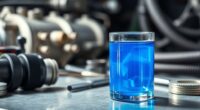
To keep your vehicle running smoothly, use the right differential fluid based on your drivetrain—high-quality gear oil for RWD vehicles and appropriate formulations with limited-slip additives for AWD systems. Change the fluid every 30,000 to 60,000 miles for RWD, and more frequently in harsh conditions or if towing. Monitoring for leaks or unusual noises helps prevent damage. For more tips on maintenance and fluid types, continue exploring your options.

Get business pricing on garage and car supplies
- Business-only prices and quantity discounts
- Tax-exempt purchasing
- Multiple users, one account, clear invoices
Key Takeaways
- RWD vehicles typically require differential fluid changes every 30,000 to 60,000 miles, depending on driving conditions.
- AWD systems often need more frequent fluid changes, especially in harsh environments like snow, mud, or off-road use.
- Use the gear oil with the correct viscosity and additive package specified by the vehicle manufacturer for optimal performance.
- Some vehicles have sealed or lifetime fluids; however, regular inspections and changes are recommended for longevity.
- Signs such as leaks, noise, or difficulty turning indicate the need for differential fluid inspection or replacement.

Have you ever wondered how often you should change your vehicle’s differential fluid or what type to use? If you own a rear-wheel drive (RWD) or all-wheel drive (AWD) vehicle, understanding the importance of differential fluid is key to maintaining your car’s performance and longevity.
The differential is a crucial component that allows your wheels to turn at different speeds, especially when cornering. To keep it functioning smoothly, the fluid inside needs to be in good condition, providing proper lubrication and cooling. Over time, this fluid breaks down or becomes contaminated, which can lead to increased wear, noise, or even costly repairs.
The recommended interval for changing differential fluid varies depending on your vehicle’s make, model, and driving conditions. Generally, for RWD vehicles, manufacturers suggest replacing the differential fluid every 30,000 to 60,000 miles. AWD systems may require more frequent changes, especially if you’re driving in harsh conditions like snow, mud, or off-road terrain.
If you often tow heavy loads or drive aggressively, consider changing the fluid more often than the standard recommendation. Always consult your owner’s manual for specific guidance, as some vehicles have sealed or lifetime fluids that supposedly never need changing. However, many experts recommend periodic inspections and fluid changes regardless, to prevent buildup of debris and contaminants.
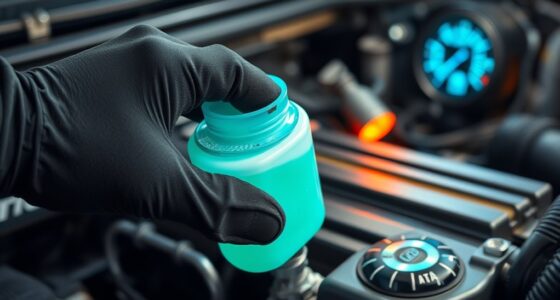
Choosing the right differential fluid is equally important. Most vehicles require gear oil with specific viscosity and additive packages designed for your differential type. For RWD cars, a high-quality gear oil that meets the manufacturer’s specifications will ensure proper lubrication. AWD vehicles often require a different formulation, sometimes with limited-slip additives if your system includes a locking or limited-slip differential.
Using the wrong fluid or neglecting to change it can cause increased friction, overheating, and accelerated wear of gears and bearings. If you’re unsure, it’s better to stick with the manufacturer’s recommended fluids or consult a trusted mechanic.
Regularly inspecting your differential for leaks or unusual noises can help catch problems early. Additionally, high-quality projectors with superior image clarity can enhance your driving experience if you’re using a projector to view navigation or entertainment systems in your vehicle. If you notice grinding, whining, or difficulty turning, it might be time for a fluid change or a professional inspection.
Keeping your differential fluid clean and fresh not only improves your vehicle’s handling but also extends its lifespan. With proper maintenance, you’ll prevent costly repairs down the road, ensuring your drive remains smooth and reliable.
Frequently Asked Questions
Can Using the Wrong Differential Fluid Cause Vehicle Damage?
Yes, using the wrong differential fluid can cause damage to your vehicle. It may lead to inadequate lubrication, increased friction, and overheating, which can wear out gears and bearings prematurely.
Over time, this can result in costly repairs or even differential failure. Always check your vehicle’s manual to guarantee you’re using the correct fluid type and change it at recommended intervals to keep your differential working smoothly.
How Do I Know if My Differential Fluid Needs Changing Early?
Your differential fluid is the lifeblood of smooth rides; if it turns dark, gritty, or has a burnt smell, it’s crying out for help. You might notice unusual noises, like whining or grinding, especially during turns. These are warning signs that your fluid’s performance is slipping.
Don’t ignore these signals—change the fluid early to keep your vehicle humming like a well-tuned orchestra, preventing costly damage down the road.
Are There Synthetic Options for Differential Fluid?
Yes, synthetic options are available for differential fluid. You should consider using synthetic fluid if you want better lubrication, improved temperature resistance, and longer intervals between changes.
Check your vehicle’s manual or consult with a mechanic to verify compatibility. Synthetic differential fluid can help your differential perform smoothly, especially under demanding conditions or extreme temperatures.
Ultimately, using synthetic fluid can extend its lifespan and reduce maintenance frequency.
What’s the Cost Difference Between OEM and Aftermarket Differential Fluids?
You’ll typically pay more for OEM differential fluids, often ranging from $20 to $50 per quart, because they’re made to meet your vehicle’s specific standards.
Aftermarket options are usually cheaper, costing around $10 to $30 per quart, but quality can vary.
While OEM fluids might cost more upfront, they’re designed to guarantee maximum performance and longevity.
Consider your vehicle’s needs and budget before choosing between OEM and aftermarket fluids.
Does Off-Road Driving Affect Differential Fluid Change Intervals?
Off-road driving can considerably shorten your differential fluid‘s lifespan, with harsh conditions increasing wear and contamination.
Studies show that off-road enthusiasts should check and possibly change their differential fluid every 3,000 to 5,000 miles, compared to the standard 7,500 to 10,000 miles for regular driving.
Regular inspections help prevent costly damage, so if you’re hitting rough terrains often, plan for more frequent fluid changes to protect your drivetrain.
Conclusion
Remember, choosing the right differential fluid and sticking to the recommended change interval can boost your vehicle’s performance and longevity. Did you know that regular fluid changes can extend your differential’s lifespan by up to 50%? Whether you drive RWD or AWD, staying on top of maintenance keeps your car running smoothly and saves you money in the long run. So, check your owner’s manual and keep your drivetrain happy and healthy!
Evergreen bestsellers Picks
bestsellers
As an affiliate, we earn on qualifying purchases.