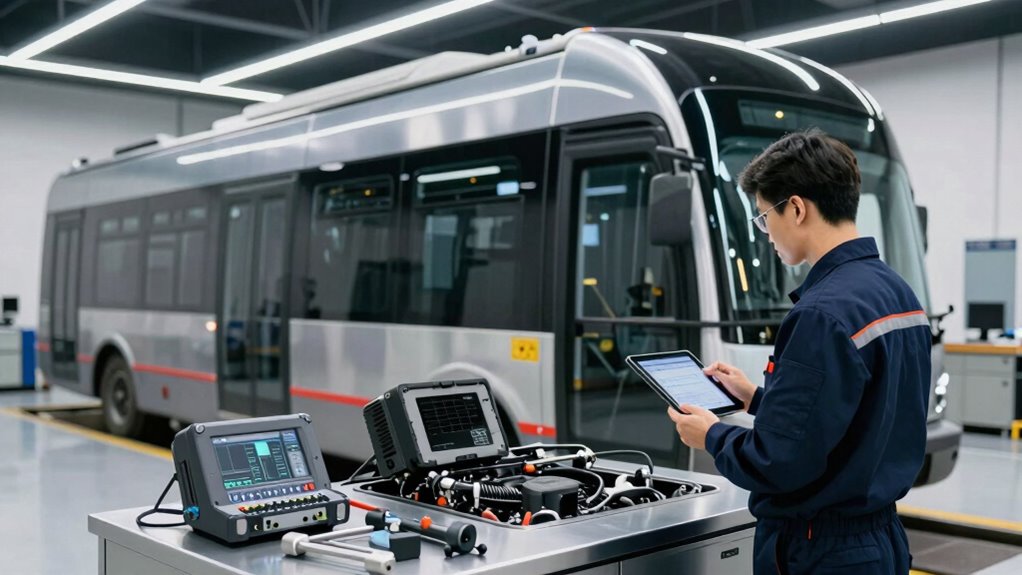

Before long trips, make sure your vehicle’s battery is in good shape by checking for corrosion and testing its charge. Verify all tires are inflated to the correct pressure and inspect for uneven wear or embedded objects. Top off essential fluids like oil, coolant, and brake fluid, and check brake pads and rotors for wear. Also, test all lighting and replace wipers if needed. Taking these steps will help you avoid breakdowns and keep your trip smooth. Keep going to discover more tips for a trouble-free journey.

Get business pricing on garage and car supplies
- Business-only prices and quantity discounts
- Tax-exempt purchasing
- Multiple users, one account, clear invoices
Key Takeaways
- Verify battery health and ensure it’s fully charged to prevent starting issues during the trip.
- Check tire pressure and inspect for uneven wear or embedded objects for safety and efficiency.
- Top off essential fluids like oil, coolant, brake, and windshield washer for optimal vehicle performance.
- Inspect all lighting systems and replace wipers to maintain visibility in diverse weather conditions.
- Conduct a comprehensive vehicle inspection to identify and address potential issues before departure.
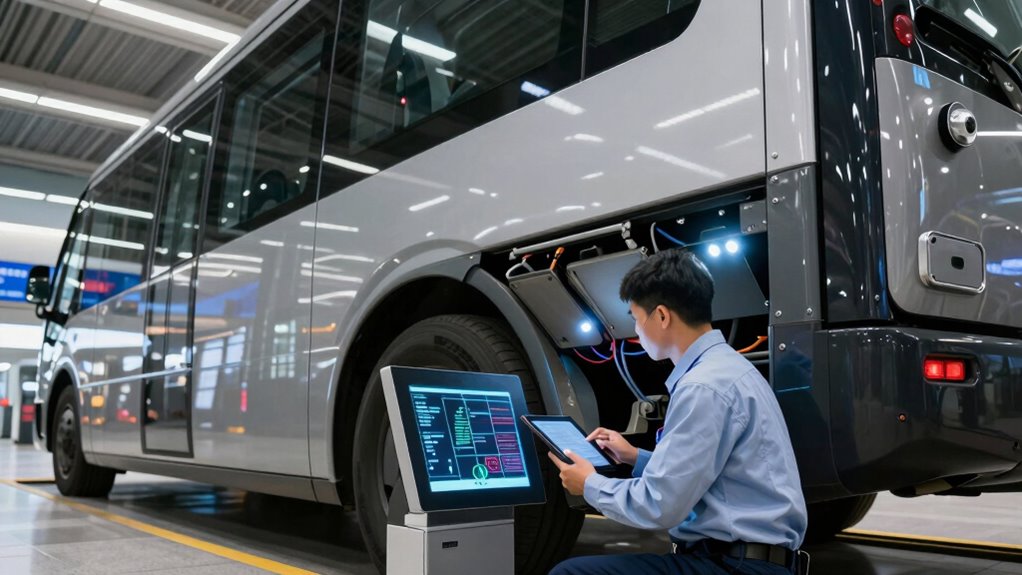
Planning a long trip can be exciting, but neglecting a thorough maintenance check beforehand can turn your adventure into a nightmare. Before hitting the road, you need to guarantee your vehicle is in top shape to avoid breakdowns and delays. Start with the basics: check your battery health. A weak or aging battery can leave you stranded miles from home, especially if it’s not holding a charge. Look for signs of corrosion on the terminals, and if your battery is more than three years old, consider testing it or replacing it to prevent unexpected failures. Strong battery health guarantees your vehicle will start reliably every morning and helps avoid inconvenient stalls in unfamiliar places.
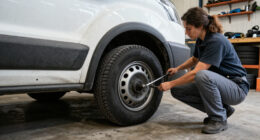
Next, focus on tire pressure. Underinflated tires increase rolling resistance, which wastes fuel and puts extra strain on your vehicle. Overinflated tires, on the other hand, can reduce traction and increase the risk of blowouts. Use a reliable tire pressure gauge to check all four tires, including the spare, and inflate them to the manufacturer’s recommended pressure, usually found on a sticker inside the driver’s door. Properly inflated tires improve fuel efficiency, handling, and safety, especially during long highway drives where tire issues are more common. Don’t forget to inspect for signs of uneven wear or embedded objects, which can lead to flats or blowouts mid-trip. Additionally, regular vehicle inspections can help identify issues early and prevent roadside emergencies.
Beyond these essentials, make sure your fluid levels are topped off—oil, coolant, brake fluid, and windshield washer fluid. Fresh oil and coolant help your engine run smoothly and prevent overheating, especially during extended driving hours. Check your brake system for wear and ensure your brake pads and rotors are in good condition, as stopping power is critical on long trips with varying terrains and traffic conditions. It’s also beneficial to regularly monitor your vehicle’s health to catch potential issues early and prevent emergencies on the road. Regular vehicle inspections are crucial for identifying potential failures before they leave you stranded, especially when traveling long distances. Also, inspect your lights—headlights, brake lights, and turn signals—so you’re visible and can communicate effectively with other drivers.
Finally, test your windshield wipers and replace them if they’re streaking or skipping. Good visibility is vital, especially if you encounter adverse weather. Regular vehicle maintenance can help detect potential issues early and ensure your trip remains trouble-free. Conducting these checks periodically will help keep your vehicle in optimal condition and extend its lifespan. With these checks completed—battery health, tire pressure, fluid levels, brakes, and lights—you set yourself up for a safer, smoother journey. Taking the time to do this maintenance not only prevents breakdowns but also gives you peace of mind, so you can focus on enjoying your trip rather than fixing problems along the way. Proper prep is your best travel companion, guaranteeing your adventure remains memorable for all the right reasons.
Products Worth Considering

Chemical Guys 16-Piece Arsenal Builder Car Wash Kit with Foam Cannon & Bucket

Chemical Guys 14-Piece Arsenal Builder Car Wash Kit with Foam Blaster

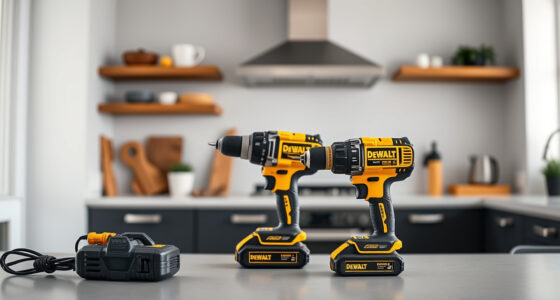
DEWALT 20V MAX 1/4-Inch Impact Driver Kit with Battery and Charger (DCF787D1)
As an affiliate, we earn on qualifying purchases.
Frequently Asked Questions
How Often Should Long-Trip Maintenance Checks Be Performed?
You should perform long-trip maintenance checks before every journey. Check tire pressure to guarantee proper inflation and improve safety, and inspect brakes for wear or damage to prevent issues on the road. Regularly reviewing these components helps you catch potential problems early, maintaining vehicle reliability and safety. Making these checks a routine part of your trip preparation minimizes breakdowns and keeps your transit running smoothly on long trips.
Are There Specific Tools Needed for the Check?
You’ll want to gather essential maintenance tools and safety gear before your long trip. These include wrenches, screwdrivers, and diagnostic devices to guarantee everything runs smoothly. Safety gear like gloves, goggles, and reflective vests keeps you protected during checks. By preparing these tools, you turn a routine task into an enjoyable part of your journey, making sure your transit stays reliable and safe for the miles ahead.
Can I Perform the Maintenance Myself?
Yes, you can perform the maintenance yourself if you follow proper DIY tips and safety precautions. Start by gathering the necessary tools, like wrenches and screwdrivers, and make certain your vehicle is on a flat surface with the parking brake engaged. Always wear safety gear, disconnect the battery when working on electrical parts, and consult your vehicle’s manual. Taking these steps helps you stay safe and guarantees a thorough, effective maintenance check.
What Are Common Signs Indicating Maintenance Is Needed?
Did you know that 75% of vehicle breakdowns are due to simple issues like tire pressure or brake problems? You’ll notice when your tires are underinflated or overinflated, and if your brakes feel less responsive or squeal, it’s time for a check. Regularly inspecting tire pressure and brake condition helps prevent breakdowns, ensuring your smart transit stays reliable and safe on long trips.
How Does Weather Affect Long-Trip Maintenance Preparations?
Weather impact plays a significant role in your long-trip maintenance preparations. You need to take into account seasonal planning, as extreme temperatures, rain, snow, or humidity can affect vehicle performance and safety. Prepare for these conditions by inspecting tires for traction, checking fluid levels, and ensuring heating or cooling systems work properly. Adjust your maintenance schedule accordingly, so your transit remains reliable and safe regardless of weather changes during your journey.
Conclusion
Think of your smart transit vehicle like a trusted friend beginning a long journey. Just as you’d check in on a friend to make sure they’re ready for the road, a quick maintenance check keeps your ride reliable and safe. Remember, neglecting these steps is like ignoring warning signs—eventually, everything might break down at the worst moment. Regular checks are your secret weapon, turning long trips into smooth, worry-free adventures.