TL;DR

Get garage and car supplies delivered free — and shop member deals
- Fast, free delivery on millions of items
- Access to Prime Big Deal Days deals on October 6–7
- Prime Video, Amazon Music and more included
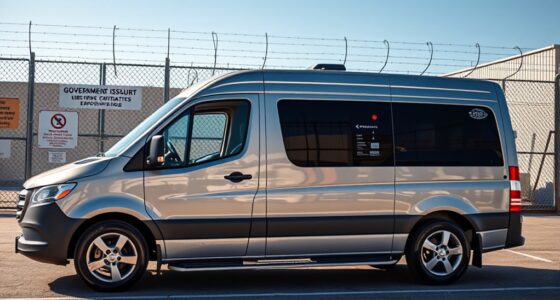
California’s SB 1406 became law on Sept. 30, 2026, changing how the state treats certain out-of-state shell companies that own vehicles, vessels or aircraft kept in California. The law expands which business structures are covered and can make California-resident owners or managers personally liable for unpaid taxes, interest and penalties.
California enacted Senate Bill 1406 on Sept. 30, 2026, changing how the state applies sales and use tax to vehicles, vessels and aircraft held by certain out-of-state shell companies. The law broadens the business structures covered and provides that a shell company may be treated as a California resident if any shareholder, partner, member or beneficial owner is a California resident, according to the bill summary cited by The Drive.
California’s existing tax rules generally apply to a vehicle, vessel or aircraft a state resident brings or ships into California, whether or not the property is registered there. The rules also addressed property owned by a business, but used a separate test to determine whether that business counted as California-based. The Drive reported that, under the prior approach, a business could generally qualify as out of state if more than half of its business was held outside California.
SB 1406 changes both the covered business structures and the test for certain shell companies. The law extends the relevant definition beyond corporations and limited liability companies to include partnerships, limited partnerships and limited liability partnerships. Under the bill summary, a shell company is considered a California resident for the specified tax presumption if even one shareholder, partner, member or beneficial owner is a California resident.
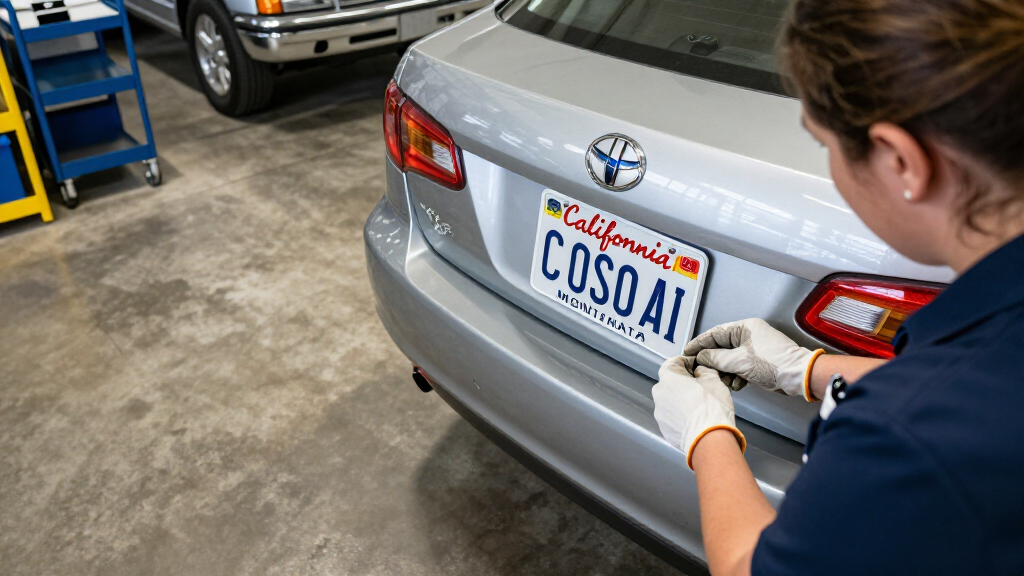
The bill also provides for personal liability for unpaid taxes, interest and penalties for an officer, manager, partner, beneficial owner or member of a shell company. The summary says nonpayment may constitute a crime. The report describes the law as aimed at arrangements in which people used out-of-state entities, including Montana LLCs, to register expensive vehicles while keeping them in California.
How the New Tax Test Works
The change matters to California residents who use an out-of-state entity to own property kept in the state. A Montana registration or an entity formed elsewhere will not, on its own, settle whether California tax applies under the new rule. The residency of people connected to the shell company can now affect how it is treated for the specified tax presumption.
For people involved in such entities, the potential exposure reaches beyond the company itself: the bill provides for personal liability for certain associated individuals when taxes, interest or penalties go unpaid. That makes the accuracy of ownership, residency and tax records consequential for partners, managers and beneficial owners, not only for the registered entity.
The law does not establish that every vehicle registered in Montana and kept in California is automatically subject to tax. Its effect depends on the statute’s definitions and how the facts of an individual ownership arrangement fit them. The report’s description of the law as closing a loophole is a characterization of its likely impact, not a finding that every affected registration was unlawful.
vehicle registration compliance tools
As an affiliate, we earn on qualifying purchases.
As an affiliate, we earn on qualifying purchases.
Why Montana Registrations Drew Attention
Montana became a focus of the debate because, according to The Drive, it does not charge sales tax on vehicle purchases and does not require owners to have vehicles inspected or smog-tested. The report says some people registered shell companies there to hold vehicles that were used in California. It also notes that Montana was not the only state involved in such arrangements.
The earlier business residency test was designed to distinguish an out-of-state company with a genuine reason to keep property in California from a company effectively tied to the state. The Drive gives the example of a Nevada business with a California branch: under the prior framework, the vehicle could remain registered to the Nevada business if most of the business was based outside California. The report calls this explanation an oversimplification.
According to The Drive, SB 1406 followed more than seven months of legislative movement before becoming law. The source material does not provide a detailed legislative timeline, committee record or implementation schedule, so those details are not established here.
“A shell company is a resident of this state if any shareholder, partner, member, or beneficial owner is a resident of this state.”
— SB 1406 bill summary, as quoted by The Drive
As an affiliate, we earn on qualifying purchases.
Questions on Scope and Enforcement
The source material does not explain when the law’s tax provisions take effect, how the state will identify shell companies or what enforcement procedures officials plan to use. It also does not provide guidance on how the state will apply the residency test to complex ownership structures or disputed residency claims.
It remains unclear how many registrations or taxpayers could be affected, how much unpaid tax the state expects to recover, or whether officials will issue further regulations or guidance. The report provides no official estimate of revenue or enforcement activity. Individual tax obligations will depend on the law’s definitions and each company’s circumstances; the available source does not establish that any particular owner owes tax.
car ownership documentation organizer
As an affiliate, we earn on qualifying purchases.
As an affiliate, we earn on qualifying purchases.
Owners Should Review Their Records
The next practical step for people using out-of-state entities to hold property kept in California is to review the company’s ownership, members’ residency and tax filings against SB 1406. The source material does not announce a specific compliance deadline or a state campaign to notify affected owners.
Further guidance from California tax authorities, including any published rules on the law’s application, could clarify how residency and personal liability will be assessed. Until that information is available, the scope of enforcement and the number of affected entities remain unknown.
As an affiliate, we earn on qualifying purchases.
Key Questions
What did California’s SB 1406 change?
It expanded the types of business entities covered by the relevant rules and says a shell company may be treated as a California resident if any shareholder, partner, member or beneficial owner is a California resident.
Does a Montana license plate automatically mean California tax is due?
No. The source material does not establish that every Montana-registered vehicle kept in California is taxable. The law’s application depends on the company structure, residency facts and relevant tax rules.
Who could be personally liable for unpaid taxes?
The bill summary cited by The Drive says an officer, manager, partner, beneficial owner or member of a shell company may be held personally liable for unpaid taxes, interest and penalties.
When does the law take effect?
The source reports that SB 1406 became law on Sept. 30, 2026, but does not specify when its provisions take effect or provide a compliance deadline.
Source: hn
Fall Picks
fall essentials
As an affiliate, we earn on qualifying purchases.